







Radiología intervencionista
Responsables y contacto:
Interventional Oncology , also known as Oncological Intervention, is a subspecialty of interventional radiology that uses minimally invasive treatments and procedures to treat cancer with curative or palliative intent. These techniques aim to improve patients' quality of life and prolong survival. Interventional radiologists work closely with oncologists to provide coordinated cancer care.
Interventional Procedures for Cancer Patients
The following treatments and supportive procedures may be used alongside other cancer treatments:
- Preoperative embolisation.
- Biliary drainage and stent placement.
- Gastrointestinal stent placement (colon, oesophagus and duodenum).
- Gastrostomy procedures.
- Nephrostomy procedures.
- Ureteric stent placement.
- Drainage of pleural or abdominal fluid collections.
- Insertion and removal of implantable venous ports and central venous catheters for chemotherapy.
- Biopsies.
- Tumour marking before radiotherapy.
- Stent placement to treat tumour-related obstructions of the vena cava or iliac veins, among other procedures.

Benefits of Interventional Oncology
- Outpatient treatment or short hospital stays: Many procedures can be performed on an outpatient basis or during a brief hospital admission.
- Less physically demanding treatments: Some techniques allow medicines to be delivered directly to the tumour, reducing the impact on the patient.
- Faster, less painful recovery: Minimally invasive procedures generally allow patients to recover more quickly and with less discomfort.
- Shorter hospital stays and recovery periods: Patients may require less time in hospital and experience a shorter period of convalescence.
- Fewer side effects and complications: These procedures may reduce certain risks and adverse effects compared with more invasive treatment options.
Interventional oncology treatments are also complementary to other cancer therapies.
They can be combined with surgery, chemotherapy or radiotherapy, either as part of the same treatment plan or at different stages of the patient's care.
Interventional Oncology at Quirónsalud Torrevieja: Would you like more information about our services?
Request information about Interventional Oncology using our contact form, and we will get back to you as soon as possible.
Artículos de
Consulta los últimos artículos en Tu canal de salud.



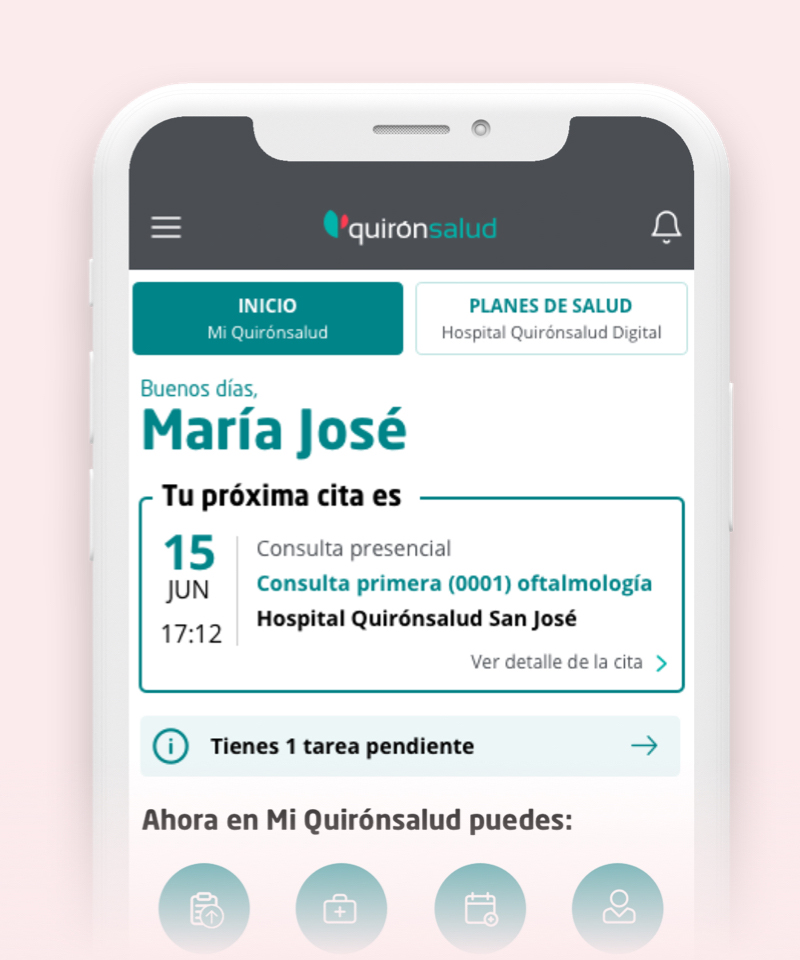
Área personal de salud: Mi Quirónsalud
Accede a cualquier hora del día para cuidar tu salud y la de los tuyos.
Mi Quirónsalud es tu espacio personal privado y seguro en el que puedes solicitar y gestionar tus citas o consultar tus informes clínicos sin esperas ni desplazamientos.
¡Descúbrelo!