






Unidad de Neurociencias
Responsables y contacto:
Comprehensive Headache Treatment at Quirónsalud Torrevieja
At Quirónsalud Torrevieja, we provide a comprehensive approach to headache management, offering patients access to the most advanced and innovative treatments available.
Our Headache Programme is designed for all patients suffering from any type of headache disorder.
The programme offers continuous, personalised and close follow-up care aimed at controlling pain from the outset. When required, treatment may be complemented with radiofrequency therapy, neuropsychology, repetitive transcranial magnetic stimulation, nerve blocks, microvascular decompression and other innovative therapies.
Why choose the Headache Programme at Quirónsalud Torrevieja?
At Quirónsalud Torrevieja, a specialist will assess your type of headache, carry out the necessary diagnostic tests and refer you to our neurological nursing consultation service.
During these consultations, patients receive education about their condition, while lifestyle habits such as diet, exercise and sleep are assessed. Recommendations are also provided regarding lifestyle and dietary measures that may help improve quality of life. Both the nurse and neurologist work closely together to ensure continuous follow-up until the condition is under control.
Innovative treatments
- Oral treatments
- Muscle-relaxant neurotoxin therapy
- Monoclonal antibody therapies
- Anaesthetic infiltrations
- Radiofrequency treatment
- Pain management unit support
Personalised treatment
Each patient receives an individualised treatment plan tailored to their specific condition and needs.
Close communication with specialists
Our professionals maintain close contact with patients, answering questions quickly and continuously through in-person appointments, telephone consultations and email support.
This programme is available across all Quirónsalud centres in the province of Alicante, making Quirónsalud the only private healthcare provider in the region to offer this type of specialised service.
The aim of our programme is to effectively treat both headaches and any associated medical complications the patient may present.
Learn more about headaches with Dr Erika Torres San Narciso
Dr Erika Torres San Narciso, neurologist and headache specialist, explains the causes, symptoms and treatment options available for headache disorders.
What is a headache?
Headache, also known medically as cephalalgia, is one of the most common disorders of the nervous system. Head pain affects almost everyone at some point in life and can have multiple causes.
Depending on the severity — ranging from mild discomfort to severe and disabling pain — headaches can affect all aspects of a person’s life, including work and family life, significantly reducing quality of life.
This is why it is essential to attend a specialist consultation as early as possible in order to obtain an accurate diagnosis and appropriate treatment.
What types of headache exist?
There are two main categories of headache:
Primary headaches
These occur independently and are not caused by another disease.
Examples include:
- Episodic migraine with or without aura
- Chronic migraine
- Tension-type headache
- Cold-stimulus headache
- Cluster headache
- Medication-overuse headache
- Exercise-induced headache
- Headache associated with sexual activity
Secondary headaches
These occur as a result of an underlying cause or condition.
Examples include headaches caused by:
- Fever
- Fasting
- Hangovers
- Eye disorders
Headache is the most common reason for consultation in neurology clinics. Early diagnosis and appropriate treatment are essential to prevent chronic progression and deterioration in quality of life.
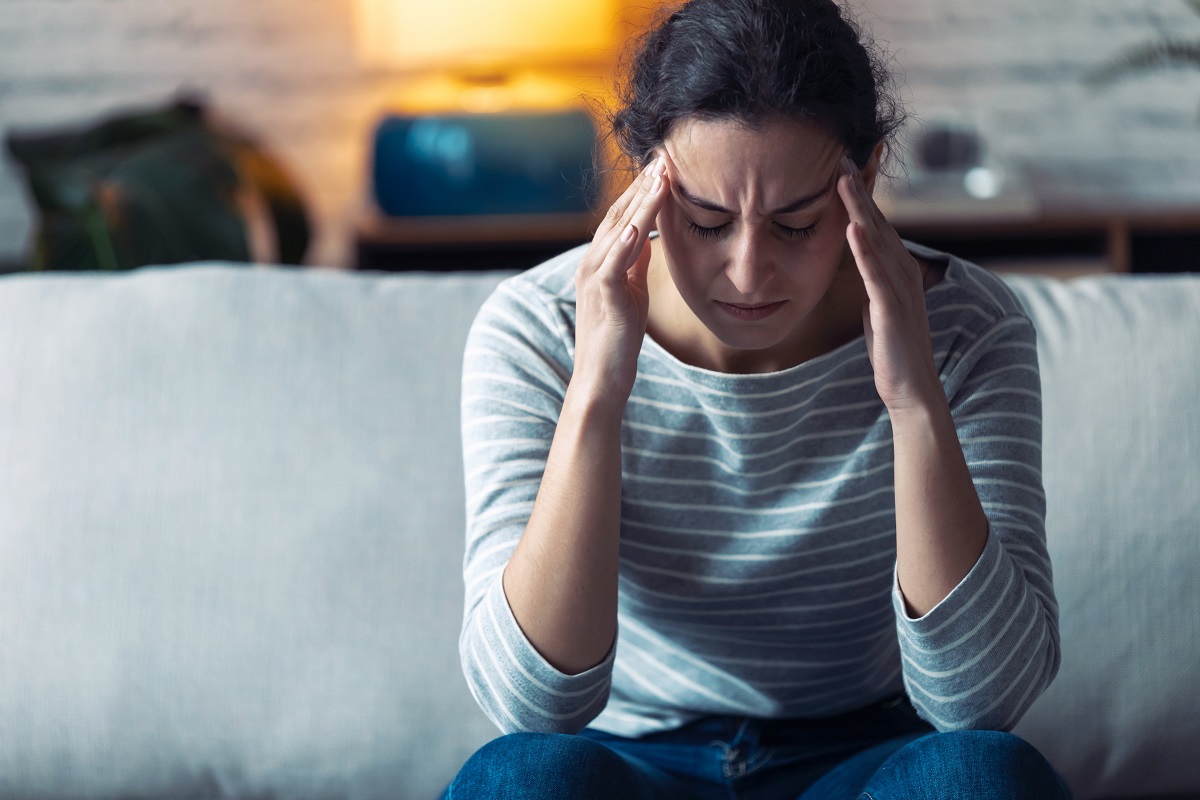
What are the symptoms of headaches?
Migraine
Migraine typically presents as pain predominantly affecting one side of the head, although it may also occur around or behind the eye. The pain is often throbbing or associated with intense pressure.
It is frequently accompanied by:
- Nausea
- Vomiting
- Sensitivity to sound, light or smells
Tension-type headache
This type of headache usually affects the whole head and is characterised by pressure across the forehead, sides or back of the head.
The pain is generally less intense and less disabling than migraine, but can still be very uncomfortable due to its persistent nature.
Within our Headache Programme, we also treat less common headache disorders, including:
- Trigeminal neuralgia
- Occipital neuralgia
- Cluster headache
What treatments are available for headaches?
Non-pharmacological treatment
Certain factors may increase the risk of migraine attacks, including diet, sleep habits, exercise and medication overuse. Maintaining appropriate lifestyle and dietary habits is therefore essential.
Pharmacological treatment
There are two main treatment approaches:
Symptomatic treatment
Designed to control acute headache attacks and relieve symptoms.
Preventive treatment
Aimed at reducing both the frequency and intensity of headaches.
Preventive treatments include:
- Oral medication
Muscle neurotoxin therapy
Recommended for patients with migraine or chronic tension-type headache who do not respond to first-line therapies. Small doses of neuromodulating agents are injected into specific cranial muscles, producing effects that may last several months in responsive patients.
Anti-migraine monoclonal antibodies (Anti-CGRP)
One of the latest innovations in migraine treatment. These preventive therapies are specifically designed for patients who are refractory to other available treatments.
Treatment is administered monthly or quarterly using an easy-to-use prefilled injection pen. These therapies are dispensed through hospital pharmacy services.
Anaesthetic treatments
Certain headache disorders improve with infiltration techniques involving specific medications — usually local anaesthetics — administered into targeted areas related to the origin of the patient’s pain.
Other treatments
Radiofrequency therapy – Pain Management Unit
This technique uses high-frequency electrical current delivered through a specially insulated cannula. The active tip generates controlled heat, targeting sensory nerves responsible for transmitting pain.
Depending on the temperature used, the technique either interrupts pain transmission (thermal radiofrequency) or modulates it (pulsed radiofrequency).
The procedure is performed under local anaesthesia with sedation and is guided by ultrasound and/or fluoroscopic imaging when required.
Surgical treatment
In certain cases involving abnormalities in cerebrospinal fluid dynamics, surgical treatment may be necessary using a programmable ventriculoperitoneal shunt valve, usually incorporating an anti-gravity system to prevent overdrainage.
Some headache disorders, such as trigeminal neuralgia or cluster headache, may also benefit from surgical techniques including:
- Microvascular decompression
- Rhizotomy
- Placement of a sphenopalatine ganglion stimulator
Repetitive transcranial magnetic stimulation
This treatment involves external or superficial stimulation of the skull using specialised equipment.
When should a headache be considered serious?
Emergency medical attention should be considered in the following situations:
- When the headache begins suddenly and is extremely severe
- When the pain differs from the headaches usually experienced
- When the headache is accompanied by neurological symptoms (visual disturbances, speech difficulties, etc.) or general symptoms (vomiting, fever, etc.)
- When the headache wakes you during the night and does not improve with pain relief medication
How can we help you?
If you would like more information about our Headache Programme, please contact us using the form below and we will respond as soon as possible.
Dr Erika Torres San Narciso
Head of Neurology Department – Alicante Province
Director of the Neurosciences Unit, Torrevieja
Articles on
View the latest articles in Tu canal de salud.
Artículos en tucanaldesalud.com Headache Programme
Artículos de TCS relacionados con la especialidad
 Canal vídeos
Todo sobre el Parkinson: prevención y tratamientos
La doctora Erika Torres San Narciso, especialista en Neurología del Hospital Quirónsalud Torrevieja y el Centro Médico Quirónsalud Alicante, nos advierte de los síntomas del Parkinson, cómo prevenirlo, y los tratamientos disponibles Canal vídeos
Tips para prevenir el insomnio
Josefina Raga Forcadell, enfermera de Neurología del Hospital Quirónsalud Torrevieja y el Centro Médico Quirónsalud Alicante, nos avisa de las causas del insomnio y nos ofrece consejos prácticos para evitar este problema para dormir



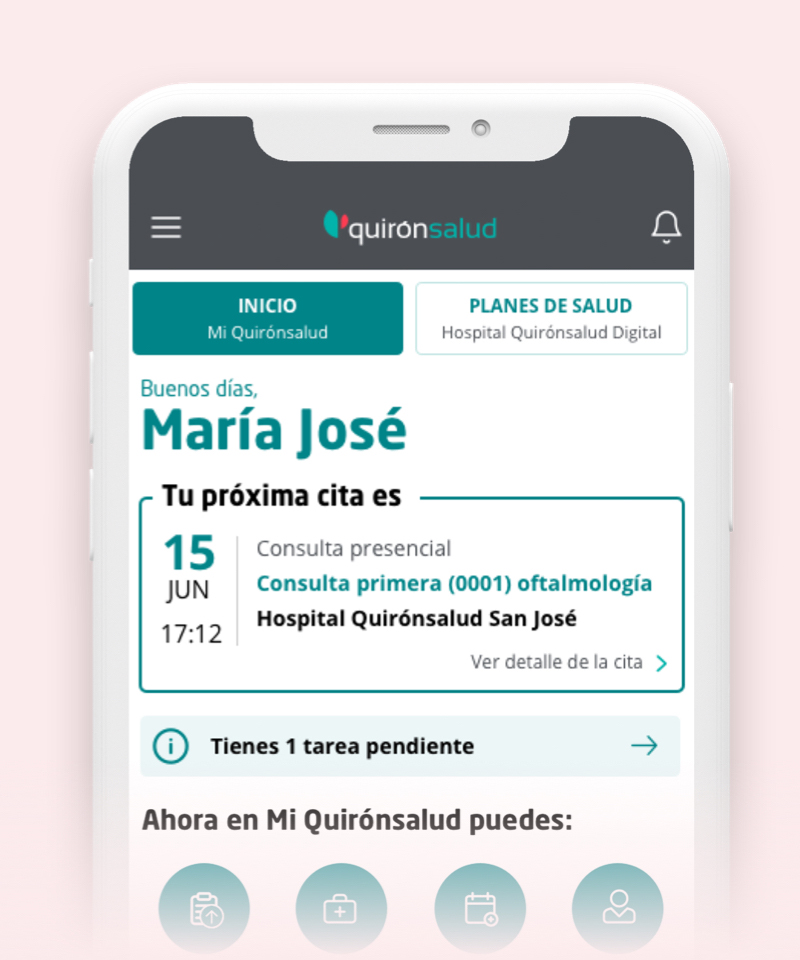
Personal health area: My Quirónsalud
Access any time of the day to take care of your health and that of your family.
My Quirónsalud is your private and secure personal space where you can request and manage your appointments or check your clinical reports without waiting, wherever you are.
Check it out!