






Oncological Surgery
Responsables y contacto:
Colorectal Cancer (Colon and Rectal Cancer)
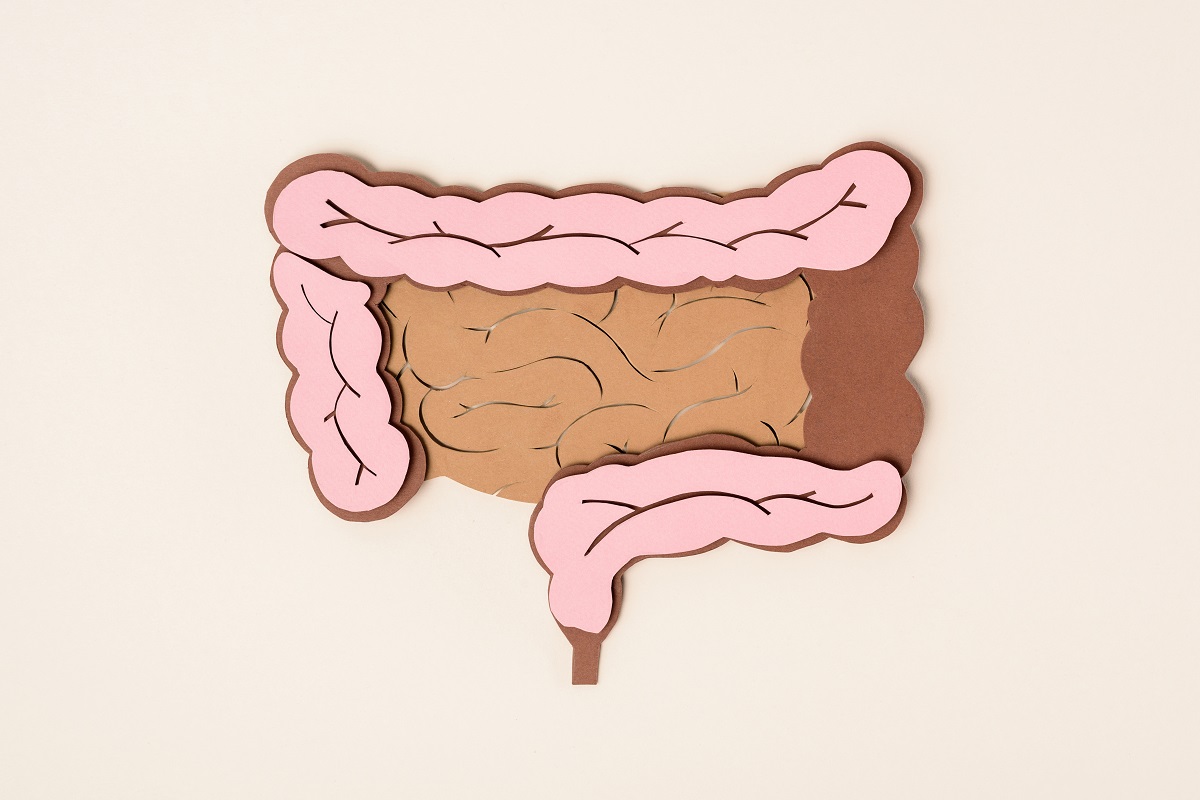
Colorectal cancer is a type of cancer that develops as a result of uncontrolled cell growth in the colon or rectum.
Almost all colorectal cancers begin as polyps, which are benign growths that develop in the lining of the colon or rectum. Over time, some of these polyps can become cancerous.
Early Symptoms of Colon Cancer
In the early stages, most people with colorectal cancer experience no symptoms. However, there are certain warning signs that may be noticed.
Most Common Symptoms of Colon Cancer
- Persistent changes in bowel habits, including diarrhoea, constipation, or changes in stool consistency
- Rectal bleeding or blood in the stool
- Persistent abdominal discomfort, including cramps or bloating
- A feeling that the bowel does not empty completely
- Weakness or fatigue
- Unexplained weight loss
Has the Incidence Increased in Recent Decades?
Colorectal cancer is the second most common cancer in Spain, affecting men and women at similar rates.
In 2019, approximately 45,000 new cases were diagnosed. The lifetime risk of developing colorectal cancer is estimated to be around:
- 1 in 23 (4.3%) for men
- 1 in 25 (4.0%) for women
The incidence rate is approximately 102 new cases per 100,000 inhabitants.
How is Colon Cancer Diagnosed?
Colorectal cancer is one of the most easily detectable cancers, and early diagnosis significantly improves treatment outcomes and the likelihood of cure.
Screening Tests
Two main screening methods are recommended:
Faecal Occult Blood Test (FOBT)
This test can be requested by a GP and is generally recommended every two years between the ages of 50 and 69.
Colonoscopy
If the faecal occult blood test is positive, a colonoscopy is performed to identify any polyps or abnormalities.
If polyps are found, they can often be removed during the procedure, preventing their progression to cancer.
For this reason, colorectal cancer screening programmes are recommended from the age of 50, helping to detect and treat disease at an early stage.
Colorectal Cancer Survival Rates and Life Expectancy
Over recent decades, mortality rates from colorectal cancer have decreased in both men and women.
This improvement is largely due to:
- Earlier detection through screening programmes
- Removal of precancerous polyps
- Advances in cancer treatment
However, despite an overall decline in mortality, deaths from colorectal cancer among people under 55 increased by approximately 2% per year between 2007 and 2016.
Five-Year Relative Survival Rates
| Stage | Five-Year Survival Rate |
|---|---|
| Localised | 91% |
| Regional | 72% |
| Distant (metastatic) | 14% |
| All stages combined | 63% |
Definitions
- Localised: Cancer remains confined to the colon or rectum.
- Regional: Cancer has spread to nearby tissues or lymph nodes.
- Distant: Cancer has spread to distant organs such as the lungs or liver.
Stages of Colon Cancer
Colorectal cancer staging ranges from:
- Stage 0 (very early cancer)
- Stage I
- Stage II
- Stage III
- Stage IV
Generally, the lower the stage number, the less the cancer has spread.
Stage IV indicates that the cancer has spread to distant parts of the body.
Subcategories designated by letters (A, B, C) provide further detail regarding disease extent within each stage.
Where Does Colon Cancer Spread?
The organs most commonly affected by colorectal cancer metastases are:
- The liver
- The lungs
However, metastases can occur in almost any organ.
At diagnosis:
- Approximately 10% of colorectal cancers are already metastatic.
- Around 50% of patients will develop metastatic disease during the course of their illness.
- Approximately 25% will develop peritoneal metastases, also known as peritoneal carcinomatosis.
How is Colon Cancer Surgery Performed?
It is important to distinguish between surgery for:
- Localised primary tumours
- Advanced or metastatic disease
Surgery for Localised Disease
Most localised tumours are treated using minimally invasive techniques, including:
- Laparoscopic surgery
- Robotic-assisted surgery
At Quirónsalud Torrevieja, surgeons use the Da Vinci Surgical System, a minimally invasive robotic platform that offers exceptional precision and enhanced patient outcomes.
Surgery for Advanced Disease
In more advanced cases, removal of additional organs may be required, and surgery is generally performed through an open surgical approach.
Surgery for Metastatic Disease
Patients with limited, measurable metastatic disease (oligometastatic disease) may also be considered for surgery as part of a multidisciplinary treatment strategy.
These patients often require additional therapies such as:
- Chemotherapy
- Radiotherapy
- Immunotherapy
The key factor is not necessarily where metastases are located, but whether complete tumour removal can be achieved while preserving adequate organ function.
Surgical Mortality Rates
Post-operative mortality depends on the complexity of the procedure.
For surgery performed on localised colorectal cancer, post-operative mortality should generally remain below 2%.
How to Reduce the Risk of Colon Cancer
Although there is no guaranteed way to prevent colorectal cancer, certain lifestyle changes can significantly reduce risk.
Modifiable Risk Factors
Overweight and Obesity
Being overweight or obese increases the risk of developing colorectal cancer.
Maintaining a healthy body weight can help reduce this risk.
Physical Activity
Regular exercise has been shown to lower the risk of colorectal cancer and provides numerous additional health benefits.
Diet
Certain dietary factors influence colorectal cancer risk.
Higher-risk factors include:
- Red meat consumption
- Processed meat consumption
A healthy diet should emphasise:
- Fruit
- Vegetables
- Whole grains
Processed foods and foods high in sugar should be limited whenever possible.
Low vitamin D levels may also be associated with an increased risk.
Smoking
People who smoke have a greater likelihood of both developing and dying from colorectal cancer compared with non-smokers.
Smoking is therefore an important modifiable risk factor.
Excessive Alcohol Consumption
Heavy alcohol consumption has been linked to colorectal cancer.
Current recommendations are:
- No more than one alcoholic drink per day for women
- No more than two alcoholic drinks per day for men
Having one or more risk factors does not mean a person will automatically develop the disease, but reducing these risks can be beneficial.
Non-Modifiable Risk Factors
Increasing Age
The risk of colorectal cancer rises with age and becomes significantly more common after the age of 50.
Personal History of Colorectal Cancer or Adenomatous Polyps
A history of adenomatous polyps (adenomas) increases the likelihood of developing colorectal cancer, especially when:
- Polyps are large
- Multiple polyps are present
- Polyps show dysplasia
Individuals previously treated for colorectal cancer also remain at increased risk of developing new colorectal cancers later in life.
Inflammatory Bowel Disease
People with:
- Ulcerative colitis
- Crohn's disease
have a higher risk of colorectal cancer.
Family History of Colorectal Cancer or Adenomatous Polyps
Having a first-degree relative (parent, sibling or child) with colorectal cancer significantly increases risk.
Risk is particularly elevated when:
- The relative was diagnosed before age 45
- More than one first-degree relative is affected
Family history of adenomatous polyps may also increase risk.
Earlier screening should be considered in these circumstances.
Hereditary Syndromes
Around 5% of colorectal cancers are linked to inherited genetic mutations.
The most common hereditary syndromes include:
- Lynch syndrome (Hereditary Non-Polyposis Colorectal Cancer, HNPCC)
- Familial Adenomatous Polyposis (FAP)
Other rarer inherited syndromes may also increase risk.
Ethnic and Racial Background
For reasons that are not fully understood:
- People of Black ethnicity have higher incidence and mortality rates from colorectal cancer.
- Ashkenazi Jewish populations have one of the highest colorectal cancer risks worldwide.
Type 2 Diabetes
People with Type 2 diabetes have an increased risk of colorectal cancer.
Even after accounting for shared risk factors such as obesity and inactivity, the risk remains higher than in the general population.
In addition, outcomes following diagnosis may be less favourable in patients with Type 2 diabetes.
Colorectal Cancer Care at Quirónsalud Torrevieja
At Quirónsalud Torrevieja, colorectal cancer patients benefit from a multidisciplinary approach involving surgical oncology, medical oncology, radiation oncology, advanced diagnostics and minimally invasive surgery, ensuring personalised treatment and optimal outcomes at every stage of care.
Articles on
View the latest articles in Tu canal de salud.




Personal health area: My Quirónsalud
Access any time of the day to take care of your health and that of your family.
My Quirónsalud is your private and secure personal space where you can request and manage your appointments or check your clinical reports without waiting, wherever you are.
Check it out!