






Oncological Surgery
Responsables y contacto:
Pancreatic Cancer and Treatment Options
Are all pancreatic cancers operable? What makes a patient suitable for pancreatic cancer surgery?
Everything you need to know from the Surgical Oncology experts at Quirónsalud Torrevieja.
What is the Pancreas?
The pancreas is an organ responsible for both digestion and the regulation of blood sugar levels. It is located in the retroperitoneum, behind the stomach and in front of the spine.
What is Pancreatic Cancer?
Pancreatic cancer occurs when abnormal cells grow uncontrollably within the pancreas.
Often referred to as a silent disease, pancreatic cancer rarely causes symptoms in its early stages. It is also considered one of the most aggressive cancers, as it tends to spread more rapidly than many other tumour types.
Signs and Symptoms of Pancreatic Cancer
Pancreatic cancer frequently causes no symptoms in its early stages, and many of its warning signs may resemble those of less serious conditions.
However, as the disease progresses, symptoms may include:
- Jaundice (yellowing of the skin and eyes)
- Dark-coloured urine and pale stools
- Abdominal and back pain
- Blood clots
- Itchy skin
- Gastrointestinal discomfort
- Abdominal bloating
- Fatigue
- Diarrhoea
- Loss of appetite
- Nausea and vomiting
- Unexplained weight loss
Causes and Risk Factors
The exact causes of pancreatic cancer remain unclear, although several factors are known to increase risk, including:
- Smoking
- Obesity
- Long-standing diabetes
- Chronic pancreatitis (long-term inflammation of the pancreas)
Certain non-modifiable risk factors may also contribute:
Age
Most patients are diagnosed between 60 and 80 years of age.
Sex
Pancreatic cancer is more common in men than in women.
Ethnicity
Higher incidence rates have been reported among people of African ancestry.
Although there is no guaranteed way to prevent pancreatic cancer, risk may be reduced by:
- Avoiding tobacco
- Limiting alcohol consumption
- Maintaining a healthy weight
- Exercising regularly
- Following a balanced diet
Tests Used to Diagnose Pancreatic Cancer
The most commonly used investigations include:
- Physical examination
- Blood tests, including biochemistry and full blood count
- Abdominal ultrasound and endoscopic ultrasound (EUS)
- PET-CT imaging
- Endoscopic Retrograde Cholangiopancreatography (ERCP)
- Biopsy
As with most cancers, early diagnosis is associated with improved survival outcomes.
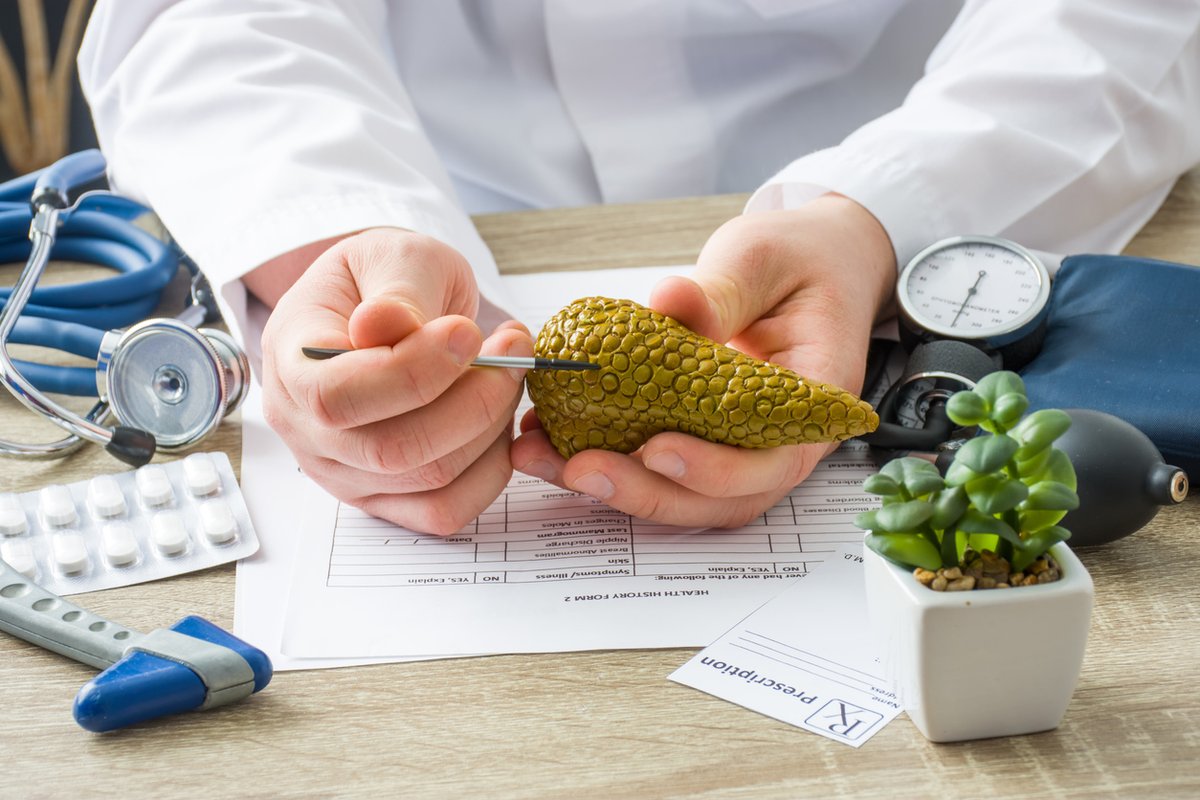
What Does Pancreatic Cancer Surgery Involve?
Whenever possible, patients with pancreatic cancer should be assessed by a multidisciplinary team to ensure they receive the most appropriate treatment.
Pancreatic cancer surgery generally involves removing the section of the pancreas containing the tumour with an adequate surgical margin, together with a lymphadenectomy, which is the removal of nearby lymph nodes.
To achieve clear margins, surgery for tumours located in the head of the pancreas may require removal of:
- Part of the duodenum
- The bile duct
- Part of the stomach
Following these resections, reconstruction of the digestive tract and biliary drainage is performed using a procedure known as a Roux-en-Y reconstruction.
Tumours located in the body and tail of the pancreas usually require removal of the distal two-thirds of the pancreas together with the spleen.
Are All Pancreatic Cancers Operable?
No. Operability depends largely on the stage of the disease.
Patients with advanced pancreatic cancer may not benefit from surgery and are often treated with:
- Chemotherapy
- Radiotherapy
- Combined chemoradiotherapy
Who is a Candidate for Surgical Resection?
In general, surgery may be appropriate for patients who:
- Have no evidence of disease outside the pancreas
- Have no liver or peritoneal metastases
- Have tumours that do not invade the major abdominal arteries or veins
- Are fit enough to tolerate and recover from major surgery
At Quirónsalud Torrevieja, patients may benefit from the Da Vinci robotic surgical system, a minimally invasive platform that allows exceptional surgical precision and enhanced patient outcomes.
Neoadjuvant Chemotherapy
There is an increasing trend towards administering neoadjuvant chemotherapy before surgery in pancreatic cancer patients.
This approach does not necessarily mean that a tumour is inoperable. Instead, it is a treatment strategy designed to:
- Improve surgical outcomes
- Reduce tumour burden
- Enhance disease control
- Increase the likelihood of complete tumour removal
Types of Pancreatic Cancer Surgery
The surgical procedure performed depends on the tumour's location within the pancreas.
Whipple Procedure (Pancreaticoduodenectomy)
Used for tumours located in the head of the pancreas, this operation involves removal of:
- The pancreatic head
- The duodenum
- Part of the stomach
- Part of the bile duct
Distal Pancreatectomy
This procedure removes:
- The body and tail of the pancreas
- The spleen
In selected cases, a total pancreatectomy may be required.
Surgical Approaches
As with many abdominal procedures, pancreatic surgery may be performed through:
- Open surgery
- Laparoscopic surgery
- Robotic-assisted surgery
The most appropriate approach depends on:
- Tumour characteristics
- Disease extent
- Patient factors
- Availability of advanced minimally invasive or robotic surgery programmes
Additional Treatments
Are Radiotherapy, Chemotherapy or Immunotherapy Required?
Treatment recommendations vary depending on the specific type of pancreatic tumour.
Pancreatic tumours include:
- Pancreatic adenocarcinoma
- Neuroendocrine tumours
- Ampullary tumours
Because these cancers behave differently, they do not all require the same treatment strategy.
Pancreatic Adenocarcinoma
As the most common subtype, pancreatic adenocarcinoma typically requires chemotherapy either before or after surgery.
Radiotherapy
The role of radiotherapy depends on specific tumour characteristics and is determined on an individual basis.
Immunotherapy
Immunotherapy may play a role in selected patients, depending on tumour biology and molecular characteristics.
What is the Success Rate of Pancreatic Cancer Surgery?
Pancreatic cancer surgery is among the most technically demanding abdominal operations and may be associated with complication rates of approximately 30%.
For patients with pancreatic adenocarcinoma, appropriate surgery combined with modern chemotherapy can achieve five-year survival rates of around 30%.
For less aggressive tumours, such as pancreatic neuroendocrine tumours, surgery can be curative in a very high proportion of patients.
Pancreatic Cancer Care at Quirónsalud Torrevieja
If you have questions regarding pancreatic cancer surgery, please contact us using the enquiry form and a member of our team will respond as soon as possible.
Our pancreatic cancer surgery specialists at Quirónsalud Torrevieja are committed to providing expert, personalised care every step of the way.
Articles on
View the latest articles in Tu canal de salud.




Personal health area: My Quirónsalud
Access any time of the day to take care of your health and that of your family.
My Quirónsalud is your private and secure personal space where you can request and manage your appointments or check your clinical reports without waiting, wherever you are.
Check it out!