






Oncological Surgery
Responsables y contacto:
Advanced Multidisciplinary Cancer Treatments at Quirónsalud Torrevieja
At Quirónsalud Torrevieja, we provide a multidisciplinary approach to cancer treatment, offering patients access to some of the most advanced oncological therapies available.
1. Peritoneal and Pleural Carcinomatosis Surgery with HIPEC (Sugarbaker Technique)
We specialise in the treatment of peritoneal and pleural carcinomatosis using Hyperthermic Intraperitoneal Chemotherapy (HIPEC) following the internationally recognised Sugarbaker technique.
This advanced treatment combines cytoreductive surgery to remove visible tumour deposits with the administration of heated chemotherapy directly into the affected cavity, maximising treatment effectiveness while targeting microscopic residual disease.
2. Tumour Ablation Techniques (Interventional Radiology)
Radiofrequency Ablation (RFA)
Radiofrequency Ablation is a minimally invasive cancer treatment used to destroy tumours or metastatic lesions located in the:
- Liver
- Kidney
- Lung
- Bone
particularly when surgical removal is difficult or not feasible.
Using image-guided technology such as:
- Ultrasound
- Computed Tomography (CT)
- Magnetic Resonance Imaging (MRI)
a needle electrode is precisely positioned within the tumour, where heat generated by electrical energy destroys cancer cells.
One of the main advantages of this technique is the rapid recovery time for patients.
Ablation Technologies Available
- Microwave Ablation
- Radiofrequency Ablation
- Cryoablation
Intra-Arterial Procedures
Primarily used in the treatment of liver metastases and hepatocellular carcinoma, either as definitive treatment or to facilitate potentially curative surgery.
Available procedures include:
- Portal vein or hepatic vein embolisation
- Transarterial Chemoembolisation (TACE)
- Radioembolisation
Surgical Interventional Oncology Techniques
These techniques are particularly valuable in the management of liver metastases, allowing surgeons to treat small or strategically located lesions that may not be suitable for conventional surgical resection.
Procedures are performed under ultrasound guidance using a range of specialised technologies.
3. Isolated Limb Perfusion with TNF and Melphalan
Advanced Treatment for In-Transit Melanoma and Soft Tissue Sarcoma
Isolated Limb Perfusion (ILP) is a specialised form of intra-arterial chemotherapy that enables extremely high concentrations of chemotherapy and biological agents to be delivered directly to an affected limb.
Drug concentrations can be between 15 and 25 times higher than those safely achievable through systemic treatment, while significantly reducing whole-body side effects.
Conditions Treated
- In-transit melanoma
- Locally advanced soft-tissue sarcomas of the limbs
- Bulky or unresectable extremity tumours
The primary goal is often limb preservation, avoiding amputation whenever possible.
The technique may also be used with palliative intent to relieve symptoms such as:
- Pain
- Bleeding
- Infection
thereby improving quality of life.
Clinical Benefits
For melanoma and soft-tissue sarcoma patients, isolated limb perfusion allows limb preservation in approximately 87% of treated cases.
High-dose regional chemotherapy can:
- Shrink tumours sufficiently to permit limb-sparing surgery
- Reduce local recurrence rates
- Improve functional outcomes
How Isolated Limb Perfusion Is Performed
The procedure takes place in the operating theatre.
The affected limb is temporarily isolated from the body's circulation. The main artery and vein are connected to an extracorporeal circulation system, creating a closed circuit through which chemotherapy circulates.
The treatment combines:
- Melphalan
- Tumour Necrosis Factor (TNF)
with mild hyperthermia (39°C), enhancing drug effectiveness and tumour cell destruction.
Because this treatment requires specialised expertise and infrastructure, many patients are referred to Quirónsalud Torrevieja from other hospitals that do not offer the procedure.
4. Electrochemotherapy (ECT)
Treatment for Inoperable Skin and Soft Tissue Tumours
Electrochemotherapy (ECT) is an innovative local treatment that combines chemotherapy with controlled electrical pulses to increase tumour-cell permeability and improve drug uptake.
The technique can be used for cutaneous and soft tissue tumour nodules of virtually any origin.
Initially introduced as a palliative treatment for painful, bleeding or ulcerated tumours, electrochemotherapy has evolved into an important component of multimodal cancer treatment.
Today, it forms part of multidisciplinary strategies aimed at achieving complete local disease control when conventional surgery alone is not possible.
How Electrochemotherapy Works
ECT combines:
- Bleomycin or Cisplatin
- Controlled electrical pulses delivered via specialised electrodes
The electrical pulses temporarily alter the tumour-cell membrane through a process known as electroporation, allowing anticancer drugs to penetrate tumour cells at dramatically higher concentrations.
Treatment Stages
Phase 1: Chemotherapy Administration
Bleomycin (intravenous or intratumoural) or cisplatin (intratumoural) is administered.
Phase 2: Electroporation
High-frequency electrical pulses increase the permeability of tumour-cell membranes, enabling chemotherapy drug concentrations within cancer cells to become thousands of times higher.
Phase 3: Drug Entrapment
As the cellular membrane reseals, the chemotherapy agent remains trapped within the tumour cell, maximising its therapeutic effect.
Advantages of Electrochemotherapy
- Organ preservation, reducing the need for radical surgery
- Neoadjuvant therapy, shrinking tumours before surgery
- Sterilisation of surgical margins, destroying microscopic residual disease
- Tumour debulking and symptom control
- Effective treatment when standard therapies have failed
Tumours Commonly Treated with ECT
- Melanoma of the skin and mucosal surfaces
- Squamous cell carcinoma of the skin
- Basal cell carcinoma
- Breast cancer
- Soft tissue sarcomas
- Head and neck cancers
- Cutaneous metastases
A Pioneer Centre in Electrochemotherapy
Our institution was among the first centres in Spain to implement electrochemotherapy through participation in the European multicentre ESOPE study, helping establish this innovative treatment nationally.
ECT is:
- Minimally invasive
- Usually performed on an outpatient basis
- Conducted under local anaesthesia
- Suitable for patients regardless of age, comorbidities or tumour stage
5. Intraoperative Radiotherapy (IORT)
Precision Radiation Delivered During Surgery
Intraoperative Radiotherapy (IORT) allows a precise dose of radiation to be delivered directly to the tumour bed during surgery.
This approach is used in the treatment of:
- Breast cancer
- Retroperitoneal tumours
- Rectal cancer
- Pancreatic cancer
- Gastric cancer
- Other selected malignancies
One of the best-known applications is the "One-Step" treatment for early breast cancer, where surgery and radiotherapy can be delivered during a single procedure.
Breast Unit Excellence at Quirónsalud Torrevieja
The Breast Unit at Quirónsalud Torrevieja Hospital is committed to incorporating the latest scientific and technological advances into everyday clinical care.
Our multidisciplinary teams provide patients with access to state-of-the-art diagnostic methods, personalised treatment plans and innovative therapies, ensuring optimal disease control and the highest standards of cancer care.
Articles on
View the latest articles in Tu canal de salud.



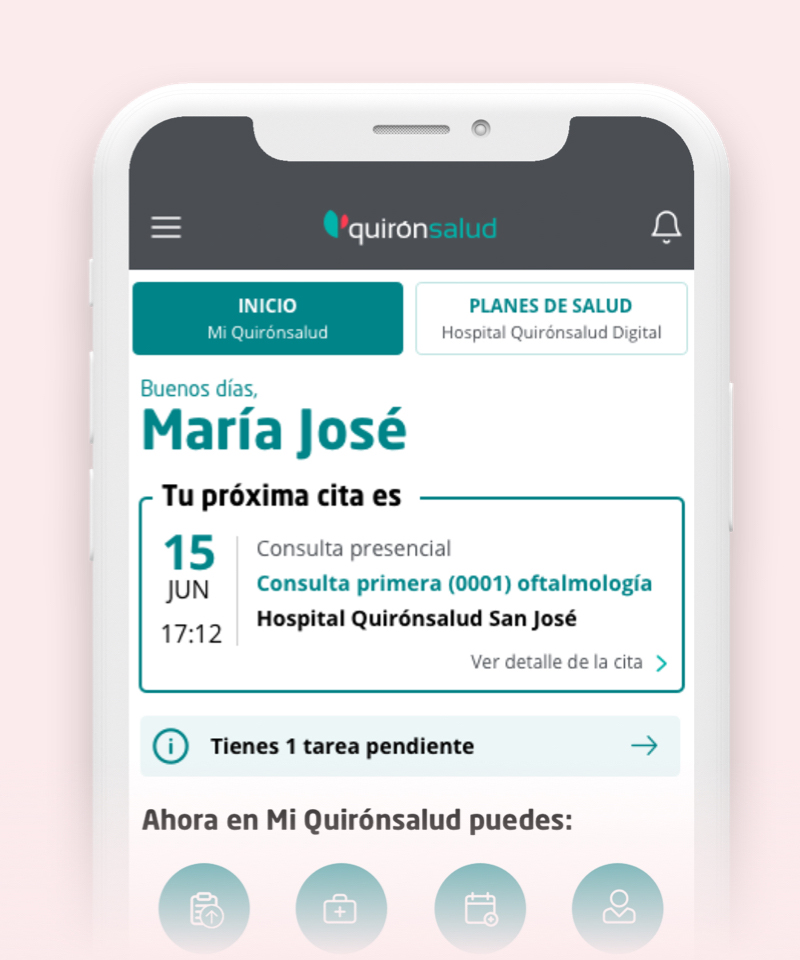
Personal health area: My Quirónsalud
Access any time of the day to take care of your health and that of your family.
My Quirónsalud is your private and secure personal space where you can request and manage your appointments or check your clinical reports without waiting, wherever you are.
Check it out!