


Carotid Artery Stenosis Can Progress Without Symptoms Until It Causes a Stroke
Dr Pablo Gallo, a specialist in the Angiology and Vascular Surgery Unit at Hospital Ruber Internacional, explains how to detect narrowing of the arteries that supply blood to the brain and what treatment options are available to reduce the risk of stroke.
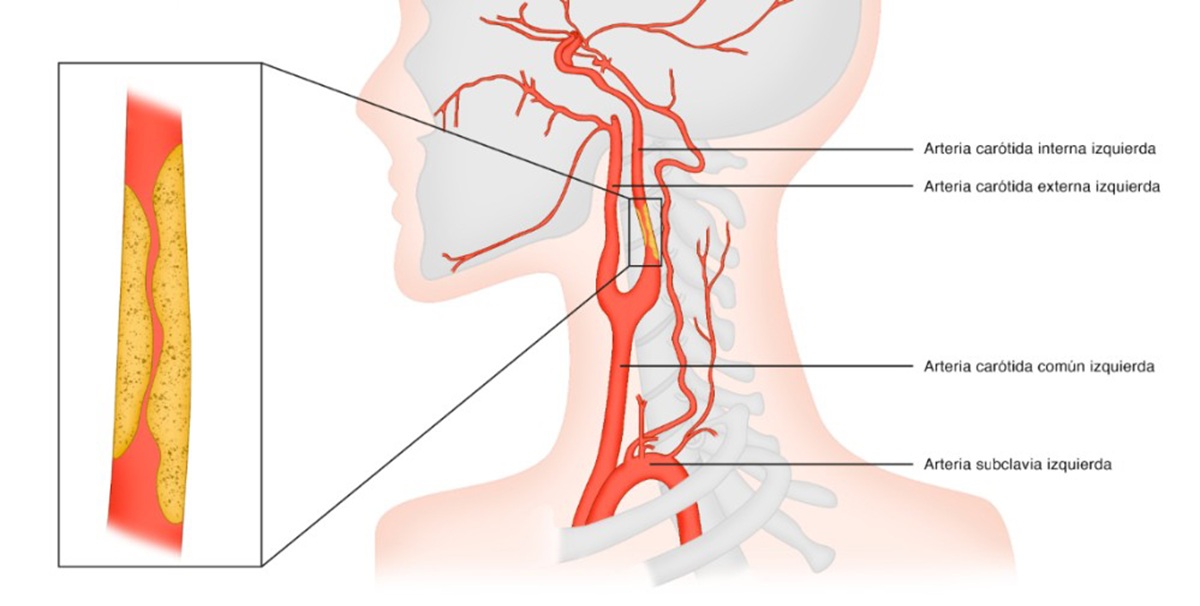
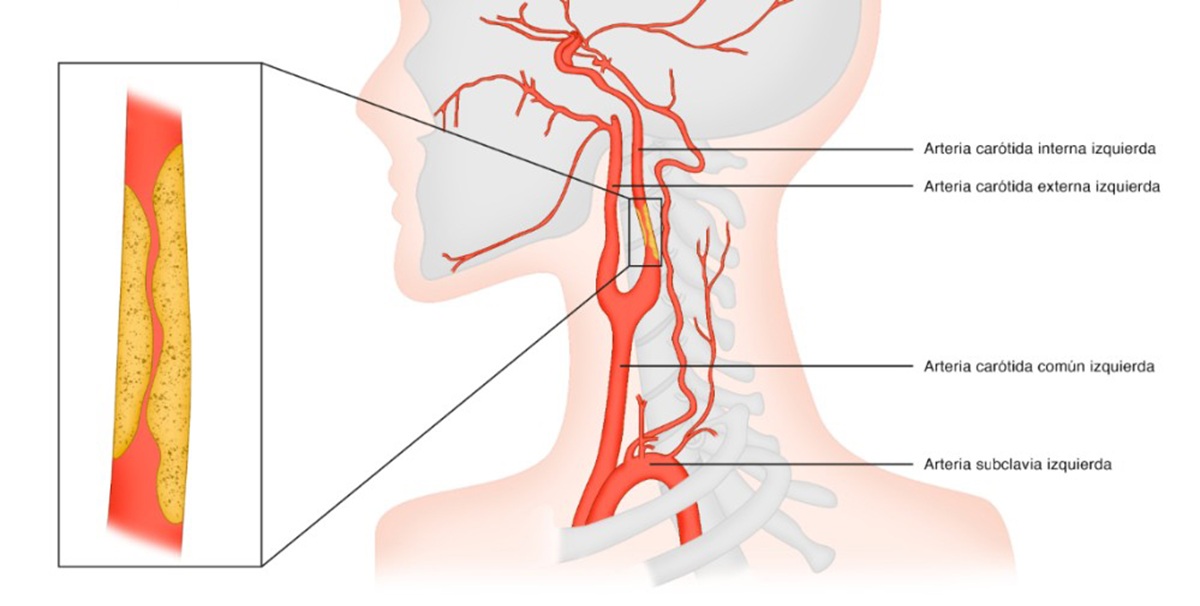
Carotid artery stenosis can develop over many years without causing symptoms and may first become apparent through a transient ischaemic attack (TIA) or even a stroke. Mainly caused by the build-up of atherosclerotic plaques in the carotid arteries, carotid stenosis is one of the causes of stroke, making early detection and timely treatment essential to prevent potentially serious consequences and long-term complications.
The carotid arteries, located on either side of the neck, are two of the main blood vessels responsible for supplying blood to the brain. When deposits of fat, cholesterol and other substances accumulate on their walls, atherosclerotic plaques form and can progressively narrow the artery.
"The problem is not only that the artery gradually narrows, reducing blood flow. An atherosclerotic plaque can also become unstable, release small fragments and cause an obstruction in one of the cerebral arteries," explains Dr Pablo Gallo González, Head of the Angiology and Vascular Surgery Department at Hospital Ruber Internacional, part of Quirónsalud Group.
A Disease That Can Remain Silent
One of the main challenges of this condition is that it may cause no symptoms for a long time. For this reason, paying attention to cardiovascular risk factors is particularly important.
Age, high blood pressure, smoking, diabetes, high cholesterol levels, obesity, a sedentary lifestyle and a family history of cardiovascular disease all increase the risk of developing atherosclerosis and, consequently, carotid artery disease.
"Atherosclerosis is not a disease that affects only the carotid arteries; it is a process that can affect different arterial territories throughout the body. Therefore, in patients with these risk factors or known cardiovascular disease, we need to carry out a comprehensive assessment of their vascular health," says the specialist.
A TIA May Be the First Warning Sign
When carotid stenosis begins to cause symptoms, they may appear suddenly. Sudden loss of strength or sensation in the face, arm or leg — particularly on one side of the body — difficulty speaking or understanding language, and sudden loss of vision in one eye are some of the symptoms that should raise suspicion of a cerebrovascular problem.
Sometimes these symptoms disappear spontaneously after a few minutes or hours. This is known as a transient ischaemic attack (TIA).
"The fact that the symptoms disappear does not mean that the problem has gone away. A TIA should be regarded as a warning sign and requires urgent medical assessment, as it may indicate an increased risk of a subsequent stroke," emphasises Dr Pablo Gallo González.
For this reason, if neurological symptoms compatible with a stroke or TIA appear suddenly, patients should not wait to see whether they improve on their own. Urgent medical attention should be sought immediately.
One of the advantages of vascular assessment is that it includes non-invasive tests such as Doppler ultrasound, which can detect the presence of atherosclerotic plaques and estimate the degree of narrowing. The assessment may be complemented with CT angiography (CTA), MR angiography (MRA) or conventional angiography.
"What matters is not simply determining whether a plaque is present, but assessing the degree of stenosis it causes, the characteristics of the lesion, whether the patient has experienced symptoms and their individual risk. All these factors allow us to determine the most appropriate treatment strategy," explains Dr Gallo.
Not All Carotid Stenoses Require Surgery
A diagnosis of carotid artery stenosis does not necessarily mean that an intervention is required. Treatment should be individualised and may include intensive management of cardiovascular risk factors and medication aimed at stabilising the plaque and preventing further progression of the narrowing. These measures are an essential part of treatment.
In patients with severe stenosis, symptoms and a high risk of stroke, an intervention may be necessary. The procedure involves removing the plaque responsible for narrowing the artery and restoring adequate blood flow.
Preventing Stroke Before It Happens
Prevention remains one of the most important tools available. Stopping smoking, controlling blood pressure, cholesterol and diabetes, exercising regularly, maintaining a healthy weight and following a balanced diet are essential measures both for preventing cardiovascular disease and for slowing its progression.