






Neurosciences Unit
Responsables y contacto:
Especialidad Corpo. Vs Esp. Centro Neurosciences Unit

Advanced Neurosciences Unit at Quirónsalud Torrevieja
The Advanced Neurosciences Unit at Quirónsalud Torrevieja specialises in the diagnosis and medical or surgical treatment of disorders affecting the central nervous system, offering an innovative, patient-centred model of care.
A Comprehensive Approach with a Fast and Streamlined Patient Pathway
The structure of the Neurosciences Unit is designed around patients, their families, their needs and their concerns.
Neurological disorders are managed through a fully integrated and multidisciplinary approach, positioning Quirónsalud Torrevieja Hospital as a recognised national and international referral centre for the diagnosis and treatment of neurological diseases, attracting patients from across Spain and Europe.
The Unit is staffed by highly experienced specialists and supported by state-of-the-art medical technologies and modern facilities designed to maximise patient comfort and improve the healthcare experience.
Multidisciplinary, Patient-Focused Care
The main conditions treated within the Neurosciences Unit include:
- Alzheimer's disease
- Stroke
- Headache disorders
- Multiple sclerosis
- Epilepsy
- Parkinson's disease
In addition, the Unit treats a broad range of neurological disorders, including:
- Cerebral haemorrhages
- Brain injuries
- Spinal cord injuries
- Brain tumours
- Other complex neurological conditions
Why Choose the Advanced Neurosciences Unit at Quirónsalud Torrevieja?
Benefits for Patients
Multidisciplinary Specialist Team
Care is provided by highly experienced professionals from multiple neurological and neurosurgical disciplines, ensuring a coordinated and comprehensive treatment strategy.
Advanced Medical Technology
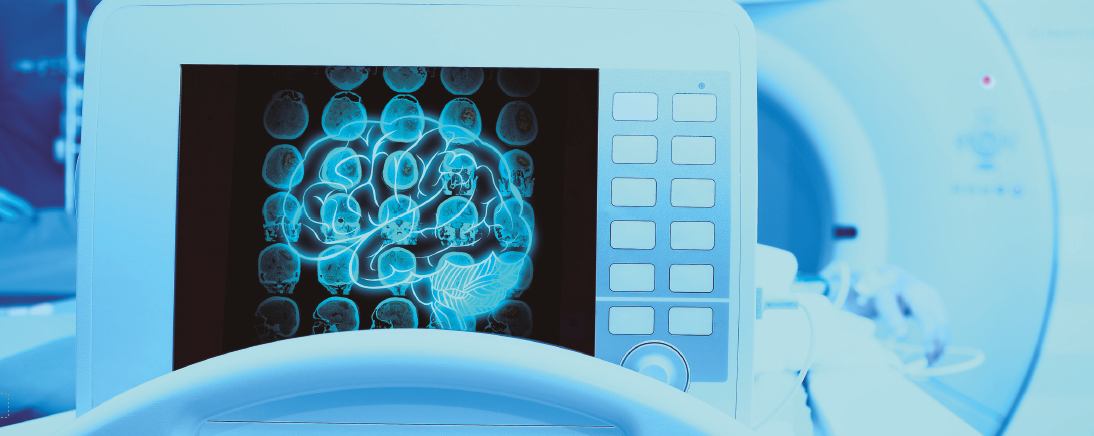
Including cutting-edge diagnostic tools such as Flow Magnetic Resonance Imaging (Flow MRI) and other specialised neuroimaging techniques.
Personalised Treatment Plans
Every patient receives an individualised assessment and management plan tailored to their specific diagnosis and needs.
Rapid Access to Care
Consultations, imaging studies and specialised assessments are arranged efficiently, minimising waiting times and accelerating diagnosis and treatment.
Specialist Neurology Nursing
Dedicated neurological nurse specialists provide:
- Patient education
- Family guidance
- Ongoing support
- Personalised advice regarding neurological conditions and treatments
Neuropsychological Assessment and Cognitive Care
The Unit offers comprehensive cognitive evaluations and develops personalised cognitive stimulation programmes and workshops for patients who require them.
Multidisciplinary Clinical Review
Complex cases are discussed during regular multidisciplinary meetings attended by the entire neurosciences team, ensuring that every patient benefits from collective specialist expertise.
Specialised Departments Within the Neurosciences Unit
The Unit incorporates highly specialised programmes dedicated to specific neurological conditions.
1. Memory and Cognitive Disorders Unit
(Neurology)
Specialised assessment and treatment of:
- Mild Cognitive Impairment (MCI)
- Alzheimer's disease
- Other dementias
- Memory disorders
2. Movement Disorders Unit
(Neurology)
Focused on:
- Parkinson's disease
- Tremor disorders
- Dystonia
- Other movement disorders
3. Minimally Invasive Endoscopic Neurosurgery Unit
Specialising in endoscopic surgical treatment of:
- Brain tumours
- Spinal disorders
- Spinal tumours
4. Interventional Neuroradiology Unit
Providing advanced minimally invasive treatments for vascular and neurological conditions.
5. Headache Unit
(Neurology)
Dedicated management of:
- Migraine
- Chronic tension headache
- Complex headache disorders
6. Neurorehabilitation Unit
Supporting recovery following:
- Stroke
- Brain injury
- Neurological surgery
- Neurodegenerative disease
7. Neuroradiology Unit
Advanced diagnostic imaging for neurological disorders.
8. Neuropsychology Unit
Comprehensive cognitive assessment and rehabilitation programmes.
9. Neurophysiology Unit
Providing specialised diagnostic investigations of nervous system function.
10. Maxillofacial Surgery Unit
Managing complex craniofacial and functional disorders.
11. Neurological Nursing and Patient Education
Specialist support for patients and caregivers throughout diagnosis, treatment and follow-up.
Innovative Neurological Treatments and Technologies
Continuous Intracranial Pressure (ICP) Monitoring
This advanced monitoring system provides detailed quantitative and qualitative analysis of intracranial pressure waveforms, enabling accurate diagnosis of cerebrospinal fluid circulation disorders such as:
- Normal Pressure Hydrocephalus (NPH)
- Idiopathic Intracranial Hypertension
Endoscopic Spine Surgery
Endoscopic Discectomy and Lumbar Canal Decompression
A minimally invasive procedure that uses high-definition endoscopic cameras through very small skin incisions to treat:
- Herniated discs
- Lumbar spinal stenosis
The technique minimises tissue damage and often allows patients to return home independently within hours of surgery.
Endoscopic Transnasal Transsphenoidal Surgery
This minimally invasive approach uses an endoscope inserted through the nasal passages to access and remove selected brain tumours, particularly:
- Pituitary tumours
without the need for traditional open surgery.
 Advanced Treatment for Migraine and Neurological Disorders
Specialised injectable treatments are available for:
- Chronic migraine
- Chronic tension headache
- Dystonia
- Blepharospasm
- Hemifacial spasm
- Bruxism
- Temporomandibular Joint Dysfunction (TMJ)
- Excessive sweating (hyperhidrosis)
- Excessive salivation (sialorrhoea)
- Spasticity
When required, treatments are performed under ultrasound and fluoroscopic guidance to maximise precision and safety.
Apomorphine Therapy for Advanced Parkinson's Disease
Apomorphine is a potent dopamine agonist used in selected cases of advanced Parkinson's disease.
Treatment options include:
Rescue Injections
Used to rapidly treat sudden "off" episodes and motor freezing.
Continuous Infusion Pump
Provides ongoing dopaminergic stimulation through a subcutaneous infusion system.
Specialist neurology nurses monitor treatment closely and provide patient training and support.
Duodopa Therapy
For carefully selected patients with advanced Parkinson's disease, Duodopa provides continuous delivery of levodopa gel directly into the small intestine through a gastrostomy tube.
Benefits may include:
- Reduced motor fluctuations
- Fewer dyskinesias
- Longer periods of normal mobility
Patients receive comprehensive monitoring and follow-up from specialised nursing staff.
Deep Brain Stimulation (DBS)
Selected patients with movement disorders may be candidates for Deep Brain Stimulation (DBS).
This advanced neurosurgical treatment may be appropriate for:
- Parkinson's disease
- Dystonia
- Essential tremor
Using stereotactic neurosurgery and neuronavigation technology, electrodes are implanted in carefully selected brain regions to improve symptom control.
Ongoing follow-up is provided to optimise stimulation settings and manage device maintenance.
Repetitive Transcranial Magnetic Stimulation (rTMS)
This non-invasive treatment stimulates targeted regions of the brain using magnetic pulses delivered through the scalp.
Applications include:
- Parkinson's disease
- Dystonia
- Migraine
- Memory disorders
- Dementia
- Neurological pain syndromes
- Depression
Treatment is delivered through a series of short outpatient sessions.
Cognitive Stimulation Programmes
Patients with early-stage mild to moderate cognitive impairment may benefit from personalised cognitive stimulation programmes designed to:
- Preserve existing cognitive abilities
- Slow cognitive decline
- Strengthen remaining neurological functions
These programmes are supervised by specialist neuropsychologists.
Innovative Migraine Treatments
Anti-CGRP Monoclonal Antibodies
The latest generation of preventive migraine therapies targets the Calcitonin Gene-Related Peptide (CGRP) pathway.
These treatments are designed for patients with migraines that have not responded adequately to traditional therapies.
Key benefits include:
- Monthly or quarterly administration
- Easy-to-use pre-filled injection pens
- Specific migraine-targeted mechanism of action
- Improved quality of life for suitable patients
These therapies are supplied through hospital pharmacy services.
Neurosciences Unit at Quirónsalud Torrevieja
If you would like further information about our Advanced Neurosciences Unit or any of the specialised services we provide, please contact us using the enquiry form and a member of our team will respond as soon as possible.
At Quirónsalud Torrevieja, we combine specialised expertise, advanced technology and personalised care to deliver excellence in neurological diagnosis, treatment and rehabilitation.
Articles on
View the latest articles in Tu canal de salud.
Artículos en tucanaldesalud.com Neurosciences Unit
Artículos de TCS relacionados con la especialidad
 Canal vídeos
Todo sobre el Parkinson: prevención y tratamientos
La doctora Erika Torres San Narciso, especialista en Neurología del Hospital Quirónsalud Torrevieja y el Centro Médico Quirónsalud Alicante, nos advierte de los síntomas del Parkinson, cómo prevenirlo, y los tratamientos disponibles Canal vídeos
Tips para prevenir el insomnio
Josefina Raga Forcadell, enfermera de Neurología del Hospital Quirónsalud Torrevieja y el Centro Médico Quirónsalud Alicante, nos avisa de las causas del insomnio y nos ofrece consejos prácticos para evitar este problema para dormir



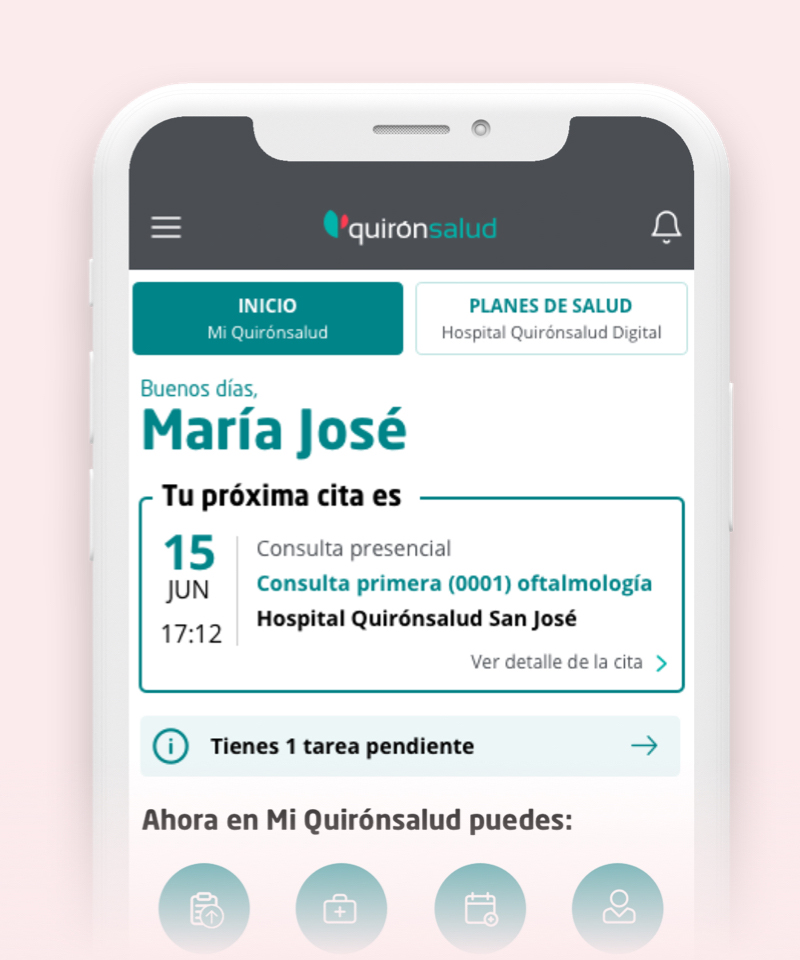
Personal health area: My Quirónsalud
Access any time of the day to take care of your health and that of your family.
My Quirónsalud is your private and secure personal space where you can request and manage your appointments or check your clinical reports without waiting, wherever you are.
Check it out!