






Neurosciences Unit
Responsables y contacto:
Clinical Neurophysiology in Torrevieja Quirónsalud
Clinical Neurophysiology is the medical specialty dedicated to the assessment, investigation and functional evaluation of the nervous system, including the central and peripheral nervous systems, the sensory organs and the muscular system, under both normal and pathological conditions.
At Quirónsalud Torrevieja Hospital, we combine highly specialised technology with extensive clinical expertise to deliver accurate diagnoses and advanced neurophysiological assessment across all age groups, from newborns to older adults.
Our specialists are committed to continuous professional development and actively participate in research initiatives aimed at improving patient care and advancing neurological diagnostics and treatment.
What is Clinical Neurophysiology?
Clinical Neurophysiology is a medical specialty based on the principles of neuroscience, focused on the functional assessment of the nervous system.
Because neurological involvement can occur in a wide variety of medical and surgical conditions, neurophysiological testing plays an important role across multiple specialties, including:
- Paediatrics
- Neurology
- Neurosurgery
- Trauma and Orthopaedics
- Internal Medicine
- Psychiatry
- Pulmonology
- Rehabilitation Medicine
- Rheumatology
- ENT (Otolaryngology)
- Ophthalmology
- Intensive Care Medicine
- Occupational Health Medicine
As a result, Clinical Neurophysiology functions as a central diagnostic service supporting numerous medical disciplines.
Conditions Assessed by a Clinical Neurophysiologist
Clinical Neurophysiology plays a key role in the diagnosis and monitoring of a wide range of neurological disorders, including:
- Traumatic brain injury (TBI)
- Spinal cord disorders (myelopathies)
- Amyotrophic Lateral Sclerosis (ALS)
- Multiple Sclerosis (MS)
- Muscular dystrophies
- Parkinson's disease and movement disorders
- Myasthenia Gravis
- Spinal muscular atrophy
- Spinal tumours
- Coma and disorders of consciousness
- Epilepsy
- Peripheral nerve and muscle disorders
- Auditory nerve disorders and central nervous system lesions
- Attention Deficit Hyperactivity Disorder (ADHD)
- Dementia and cognitive disorders
- Sleep disorders
- Retinal and visual pathway disorders
- Intraoperative neurological monitoring
Neurophysiological Tests Available
Electroencephalography (EEG)
EEG records electrical activity within the brain and is widely used in the diagnosis and management of neurological disorders.
Services include:
- Standard EEG
- Wakefulness EEG
- Sleep EEG
- Sleep-deprived EEG
- Video-EEG monitoring
- Ambulatory EEG
- Intensive Care Unit (ICU) EEG monitoring
- Prolonged video-EEG studies in collaboration with Neurology
Electromyography (EMG)
Electromyography evaluates the function of muscles and peripheral nerves.
Available studies include:
Conventional EMG
- Needle electromyography
- Motor nerve conduction studies
- Sensory nerve conduction studies
Advanced Neuromuscular Testing
- Repetitive nerve stimulation
- Single-fibre EMG
- Stimulated single-fibre EMG
- Pelvic floor EMG
- Reflex studies
EMG-Guided Procedures
Used for movement disorders and neuropathies requiring accurate administration of:
- Botulinum toxin
- Corticosteroids
into deep or difficult-to-access muscles.
Sleep Studies
Comprehensive evaluation of sleep disorders using:
- Polysomnography (PSG)
- Multiple Sleep Latency Test (MSLT)
- Maintenance of Wakefulness Test (MWT)
- Circadian rhythm studies (Actigraphy)
Evoked Potentials
Evoked potential studies assess how the nervous system responds to sensory stimulation.
Auditory Evoked Potentials
Used to evaluate:
- Auditory pathways
- Brainstem function
- Neurological disorders affecting hearing
Visual Evoked Potentials
Including:
- Visual Evoked Potentials (VEP)
- Electroretinography (ERG)
- Electrooculography (EOG)
Somatosensory Evoked Potentials
Assessment of sensory pathways in both upper and lower limbs.
Cognitive Evoked Potentials
Including:
- Auditory P300 testing (oddball paradigm)
Motor Evoked Potentials
Performed using Transcranial Magnetic Stimulation (TMS).
Magnetoencephalography (MEG)
Advanced functional brain mapping technology used in selected neurological disorders.
Neuromodulation and Neurofeedback
The department offers advanced neuromodulation techniques for diagnostic, prognostic and therapeutic purposes.
These include:
- Repetitive Transcranial Magnetic Stimulation (rTMS)
- EEG Biofeedback (Neurofeedback)
These therapies are increasingly used in neurology, neurorehabilitation and mental health care.
Intraoperative Neurophysiological Monitoring
Advanced monitoring systems are used during surgery to reduce neurological complications and preserve nerve function.
Applications include:
Thyroid and Parotid Surgery
Monitoring of:
- Recurrent laryngeal nerve
- Superior laryngeal nerve
- Facial nerve
Spine Surgery
Including:
- Cervical myelopathy surgery
- Spinal fusion procedures
Neurosurgery
Monitoring during surgery involving:
- Brain tumours
- Spinal cord tumours
- Complex cranial procedures
Modern neurophysiological monitoring significantly reduces the risk of postoperative neurological deficits.
Repetitive Transcranial Magnetic Stimulation (rTMS)
What is rTMS?
Repetitive Transcranial Magnetic Stimulation (rTMS) is a non-invasive treatment that uses magnetic fields to stimulate nerve cells within the brain.
It is used to improve symptoms associated with conditions such as:
- Stroke
- Depression
- Chronic pain
- Tinnitus
Treatment is delivered through a series of repeated magnetic pulses, typically over multiple sessions.
Depending on the condition being treated, treatment programmes may range from approximately 10 to 20 sessions, although longer treatment courses may occasionally be required.
How is the Procedure Performed?
Before treatment begins, the specialist determines:
- The correct stimulation site
- The patient's motor threshold
- The appropriate level of magnetic stimulation
Appointments generally last around 60 minutes.
Patients sit comfortably in a reclining chair while a magnetic coil is positioned on the scalp.
During treatment, patients may notice:
- Clicking sounds
- Mild scalp sensations
- Small contractions of facial muscles
These effects are generally well tolerated.
Specialised Applications of rTMS
Stroke Rehabilitation
Acquired Brain Injury and Stroke Recovery
rTMS has become an important tool in modern neurorehabilitation.
Research has shown benefits in improving:
- Motor recovery
- Aphasia
- Dysarthria
- Swallowing difficulties (dysphagia)
- Depression following stroke
- Cognitive and perceptual impairments
The treatment promotes recovery through neuroplasticity, supporting the brain's ability to reorganise and establish new neural connections.
For best results, rTMS is typically integrated within a broader multidisciplinary rehabilitation programme.
Treatment-Resistant Depression
rTMS has become an established treatment option for patients whose depression does not adequately respond to medication.
Neurofeedback and ADHD
Neurofeedback offers a medication-free option for selected neurological and behavioural disorders, particularly Attention Deficit Hyperactivity Disorder (ADHD).
During training:
- Electrodes record brain activity
- Computer software analyses brainwave patterns
- Visual or auditory feedback guides self-regulation
Over repeated sessions, patients learn to modify and regulate brain activity patterns, leading to improvements in attention, concentration and self-control.
Additional Sleep Diagnostics
Home Respiratory Polygraphy
A home-based test designed to identify:
- Snoring disorders
- Sleep apnoea
- Sleep-related breathing disorders
Patients wear a small monitoring device overnight, which records:
- Respiratory effort
- Airflow
- Blood oxygen saturation
Actigraphy
Actigraphy is primarily used to assess:
- Insomnia
- Circadian rhythm disorders
- Sleep-wake cycle disturbances
Patients wear a wrist-mounted sensor similar to a watch for approximately one week while maintaining normal daily activities.
This painless test is performed entirely on an outpatient basis.
Polysomnography (Hospital or Home-Based)
Polysomnography is the most comprehensive sleep study available. t records multiple physiological functions during sleep, including:
- Brain activity
- Eye movements
- Muscle activity
- Heart rate
- Breathing patterns
- Blood oxygen levels
Optional video monitoring may also be used.
Conditions Diagnosed by Polysomnography
- Excessive daytime sleepiness
- Hypersomnia
- Insomnia
- Narcolepsy
- Obstructive Sleep Apnoea
- Sleep-related breathing disorders
- REM Sleep Behaviour Disorder
Normal results demonstrate appropriate sleep architecture and physiological sleep patterns, while abnormal findings can confirm the presence of specific sleep disorders.
Neurophysiology-Guided Treatment and Follow-Up
Clinical Neurophysiology not only supports diagnosis but also helps guide treatment decisions for neurologists and other specialists.
Neurophysiological testing is frequently used to:
- Determine disease severity
- Monitor progression
- Evaluate treatment effectiveness
- Support long-term patient follow-up
Clinical Neurophysiology Specialists in Torrevieja
If you would like more information about our Clinical Neurophysiology services, please contact us using the enquiry form and a member of our team will respond as soon as possible.
At Quirónsalud Torrevieja, we combine advanced technology, specialist expertise and innovative neurophysiological techniques to provide precise diagnosis, effective monitoring and personalised neurological care.
Articles on
View the latest articles in Tu canal de salud.
Artículos en tucanaldesalud.com Clinical Neurophysiology
Artículos de TCS relacionados con la especialidad
 Canal vídeos
Todo sobre el Parkinson: prevención y tratamientos
La doctora Erika Torres San Narciso, especialista en Neurología del Hospital Quirónsalud Torrevieja y el Centro Médico Quirónsalud Alicante, nos advierte de los síntomas del Parkinson, cómo prevenirlo, y los tratamientos disponibles Canal vídeos
Tips para prevenir el insomnio
Josefina Raga Forcadell, enfermera de Neurología del Hospital Quirónsalud Torrevieja y el Centro Médico Quirónsalud Alicante, nos avisa de las causas del insomnio y nos ofrece consejos prácticos para evitar este problema para dormir



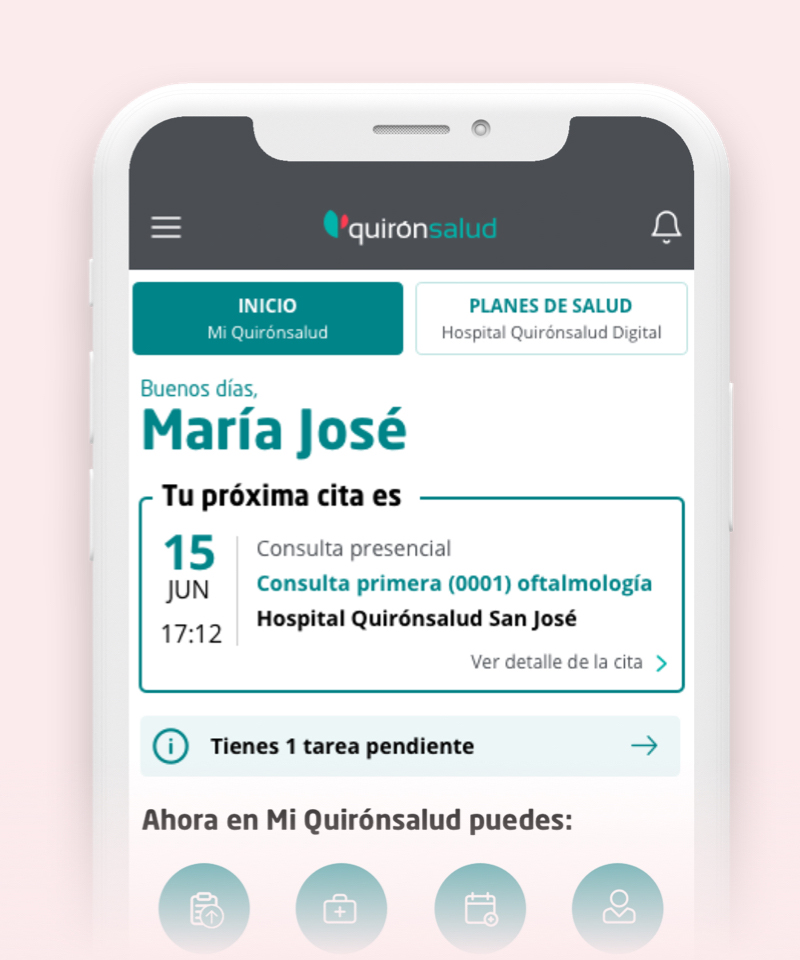
Personal health area: My Quirónsalud
Access any time of the day to take care of your health and that of your family.
My Quirónsalud is your private and secure personal space where you can request and manage your appointments or check your clinical reports without waiting, wherever you are.
Check it out!