






Neurosciences Unit
Responsables y contacto:
Minimally Invasive Endoscopic Surgery in Torrevieja Quirónsalud
The Minimally Invasive Endoscopic Surgery Unit at Quirónsalud Torrevieja specialises in the treatment of brain tumours and spinal disorders using advanced endoscopic surgical techniques.
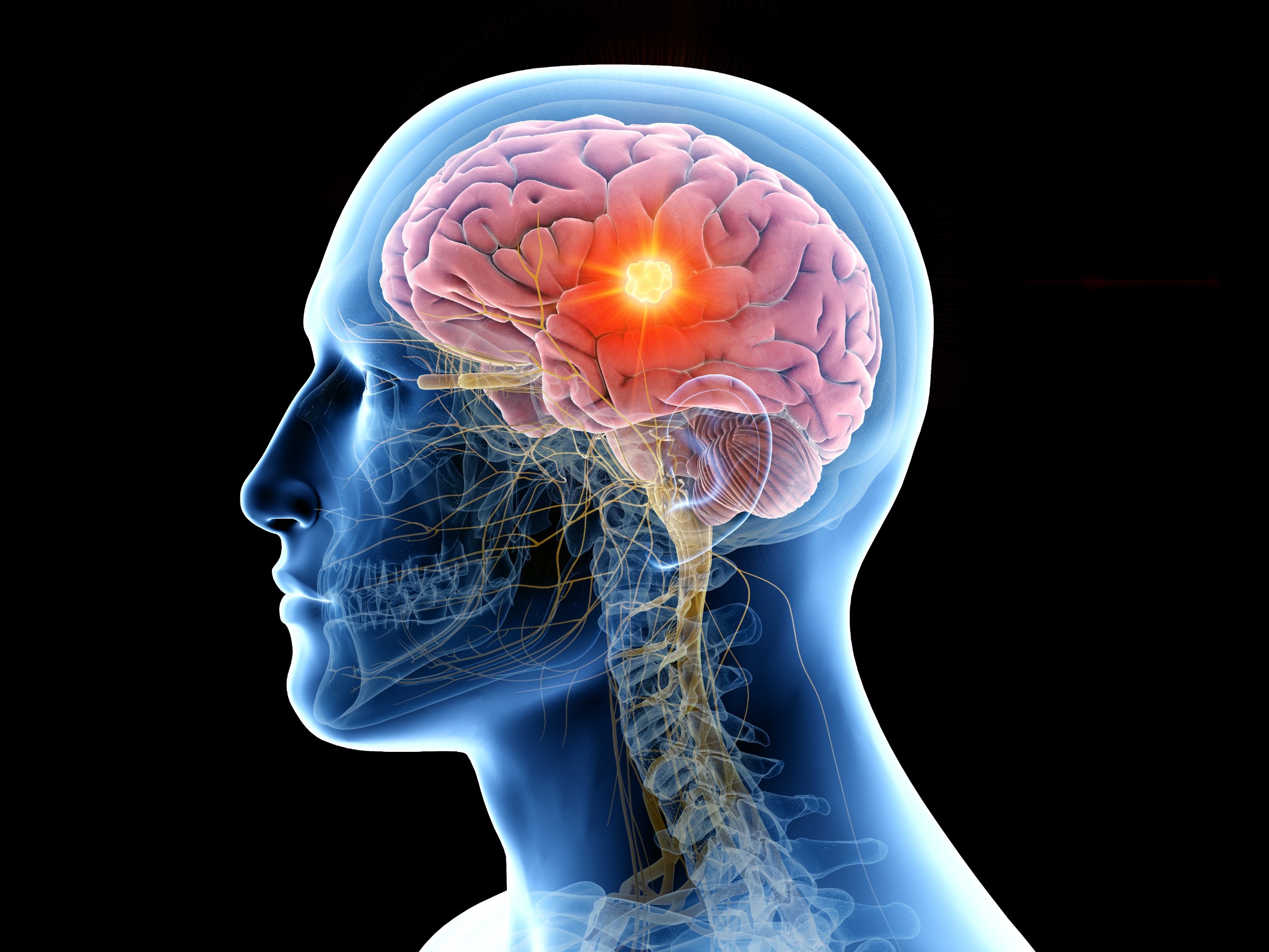
Tumours affecting the central nervous system (brain and spinal cord) account for approximately 15-20% of all neoplastic diseases, with peak incidence around the age of 45 and a higher prevalence in women than in men.
Symptoms of a Brain Tumour
Symptoms that may suggest the presence of a brain tumour include:
- Persistent headaches
- Epileptic seizures
- Blurred vision
- Balance difficulties
- Convulsions
- Excessive drowsiness
Any persistent or unexplained change in health should prompt medical evaluation by a specialist.
Benefits of Endoscopic Surgery
Endoscopic surgery offers a number of important advantages compared with conventional open surgery:
- Reduced surgical risk
- Lower risk of infection
- Significantly shorter hospital stay
- Less blood loss
- Smaller incisions and improved cosmetic results
- Reduced post-operative pain
- Faster recovery
- Lower risk of complications
- Reduced need for rehabilitation
Many procedures, including surgery for disc herniation and spinal canal stenosis, may be performed as day-case procedures or require less than 24 hours of hospitalisation.
Types of Minimally Invasive Endoscopic Surgery
Neuroendoscopy
What is Neuroendoscopy?
Neuroendoscopy, also known as endoscopic brain surgery, is a minimally invasive technique that allows access to the cranial cavity through small openings, avoiding extensive surgical exposure and minimising manipulation of healthy brain tissue.
Today, neuroendoscopy is widely used both as:
- A primary surgical approach
- A complementary technique alongside conventional or image-guided neurosurgery
It is particularly useful for:
- Intraventricular tumours
- Intraventricular cysts
- Complex multiloculated hydrocephalus
In many of these conditions, neuroendoscopy has become the preferred surgical option over traditional open surgery.
Endoscopic Transnasal Transsphenoidal Surgery
What is Endoscopic Transnasal Transsphenoidal Surgery?
This minimally invasive technique accesses the skull base through the nasal passages using an endoscope.
The approach has become increasingly important in the treatment of:
- Pituitary tumours
- Sellar and parasellar lesions
The use of high-definition endoscopic optics provides exceptional visualisation while avoiding external incisions and significantly reducing surgical trauma.
Minimally Invasive Endoscopic Spine Surgery
Treatment of Disc Herniation and Spinal Canal Stenosis
Endoscopic spine surgery provides advanced treatment for a wide variety of spinal disorders.
Conditions Commonly Treated
Lumbar Disc Herniation
Cervical Disc Herniation
Lumbar Spinal Stenosis
Cervical Spinal Stenosis
Lumbar Spondylolisthesis
Synovial Cysts
Complex Spinal Conditions
The Endoscopic Surgery Unit also performs minimally invasive procedures for more complex spinal disorders, including:
- Spinal cord cysts
- Thoracic disc herniation
- Scoliosis
- Vertebral tumours
- Intradural spinal tumours
Disc Herniation
Disc herniation and lateral recess stenosis are among the most common causes of:
- Lower back pain
- Sciatica
- Leg pain
Although disc herniation can affect people of all ages, it is particularly common in working-age adults. The characteristic symptom is pain originating in the lower back and radiating down one leg.
Most cases are initially managed conservatively. However, when symptoms persist or surgery is recommended, endoscopic treatment provides a safe and effective solution, often resulting in rapid pain relief and restoration of function. When surgery is indicated, prolonged delays may reduce the likelihood of achieving the best possible outcome.

Spinal Canal Stenosis
What is Spinal Canal Stenosis?
Spinal canal stenosis is most frequently observed in older adults and usually develops as a consequence of spinal degeneration.
Age-related changes can cause:
- Thickening of spinal ligaments
- Enlargement of facet joints
- Narrowing of the spinal canal
Common symptoms include:
- Lower back pain
- Leg pain
- Walking difficulties (neurogenic claudication)
In severe cases, bladder function may also be affected.
While pain medications can provide temporary symptom relief, they do not address the underlying problem.
Surgical decompression remains the most effective treatment when significant stenosis is present.
Advantages of Endoscopic Surgery for Stenosis
Endoscopic decompression provides:
- Smaller surgical incisions
- Lower operative risk
- Faster recovery
- Reduced tissue disruption
Many patients are discharged within hours of surgery and walk independently shortly afterwards.
Spinal Cord Stimulation for Chronic Pain
What is Spinal Cord Stimulation?
Spinal cord stimulation is an advanced pain-management technique used primarily for:
- Chronic neuropathic pain
- Failed back surgery syndrome
- Persistent spinal pain after multiple operations
The treatment works by stimulating the posterior columns of the spinal cord, altering the transmission of pain signals before they reach the brain.
How Does the Procedure Work?
The treatment is performed in two stages.
Stage 1: Trial Phase
Electrodes are implanted percutaneously into the epidural space near the spinal cord.
These electrodes connect to an external generator that provides electrical stimulation for approximately 10-15 days.
The stimulation produces a comfortable tingling sensation (paresthesia) over the painful area while reducing pain perception.
If the patient experiences more than 50% pain relief, treatment may proceed to the next stage.
Stage 2: Permanent Implantation
A small rechargeable pulse generator, similar to a pacemaker, is implanted beneath the skin, typically:
- In the buttock region, or
- In the lower abdominal wall
The generator is connected to the previously implanted electrodes and delivers long-term electrical stimulation.
The system can be recharged wirelessly and adjusted according to the patient's needs.
Expert Endoscopic Neurosurgery and Spine Surgery in Torrevieja
At Quirónsalud Torrevieja, our Minimally Invasive Endoscopic Surgery Unit combines advanced technology, specialised expertise and innovative surgical techniques to treat complex brain and spinal disorders with maximum precision, minimal tissue disruption and faster recovery.
If you would like more information about our services, please contact us using the enquiry form and a member of our team will respond as soon as possible.
Articles on
View the latest articles in Tu canal de salud.
Artículos en tucanaldesalud.com Minimally Invasive Endoscopic Surgery
Artículos de TCS relacionados con la especialidad
 Canal vídeos
Todo sobre el Parkinson: prevención y tratamientos
La doctora Erika Torres San Narciso, especialista en Neurología del Hospital Quirónsalud Torrevieja y el Centro Médico Quirónsalud Alicante, nos advierte de los síntomas del Parkinson, cómo prevenirlo, y los tratamientos disponibles Canal vídeos
Tips para prevenir el insomnio
Josefina Raga Forcadell, enfermera de Neurología del Hospital Quirónsalud Torrevieja y el Centro Médico Quirónsalud Alicante, nos avisa de las causas del insomnio y nos ofrece consejos prácticos para evitar este problema para dormir



Personal health area: My Quirónsalud
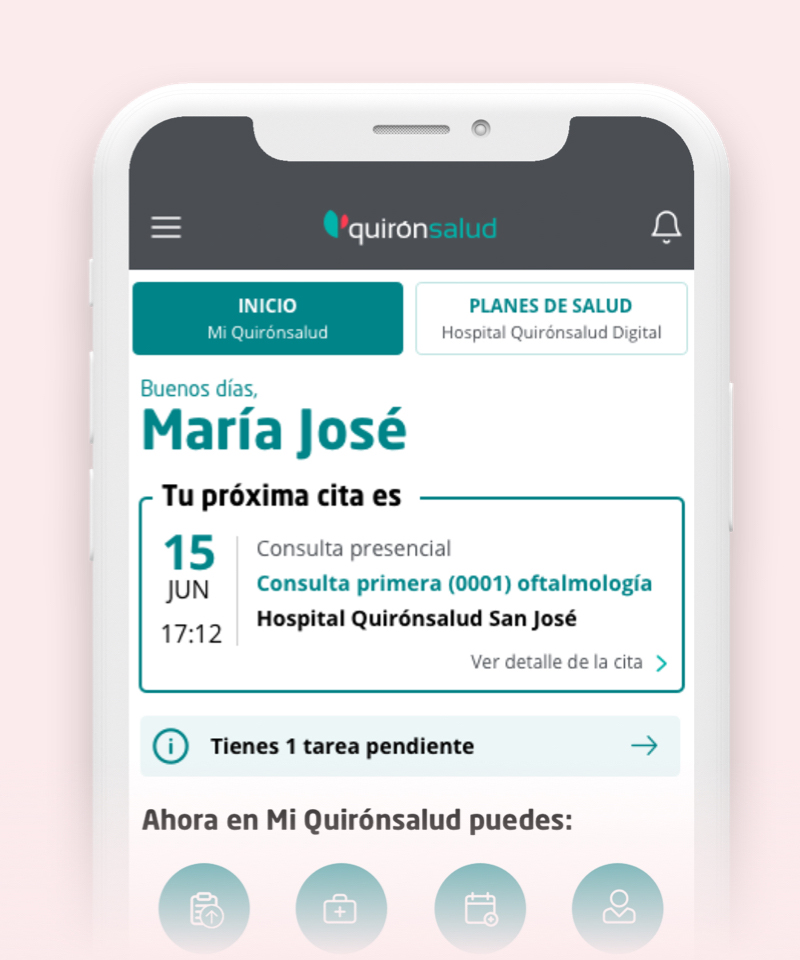
Access any time of the day to take care of your health and that of your family.
My Quirónsalud is your private and secure personal space where you can request and manage your appointments or check your clinical reports without waiting, wherever you are.
Check it out!