






Neurosciences Unit
Responsables y contacto:
Movement Disorders Unit in Torrevieja Quirónsalud
What Are Movement Disorders?
Movement disorders are neurological conditions affecting motor function, which may present as a reduction or slowing of movement, or conversely as excessive, involuntary or abnormal movements.
These disorders alter the normal pattern of voluntary movement and include both common and less common neurological conditions.
Examples include:
- Parkinson's disease
- Tremor disorders
- Tics
- Dystonia
- Chorea
- Myoclonus
- Restless Legs Syndrome
Specialists in Movement Disorders
The Movement Disorders Unit at Quirónsalud Torrevieja is highly specialised in the diagnosis and treatment of these complex neurological conditions.
Our service is designed to provide:
- Precise and individualised treatment plans
- Rapid access to specialist assessment
- Advanced diagnostic technology
- Comprehensive long-term care and follow-up
Parkinson's Disease
What is Parkinson's Disease?
Parkinson's disease is a progressive neurodegenerative disorder and the second most common neurodegenerative disease after Alzheimer's disease.
As life expectancy continues to increase, the prevalence of Parkinson's disease is rising worldwide. In Western countries, it affects approximately 100 people per 100,000 inhabitants, although it remains significantly underdiagnosed.
The condition most commonly develops after the age of 50 and follows a chronic, progressive course. Advances in diagnosis and treatment over recent years have significantly improved patients' quality of life and symptom control.
Causes of Parkinson's Disease
The exact cause of Parkinson's disease remains unknown, although both:
- Genetic factors
- Environmental factors (including exposure to certain toxins)
are believed to play a role.
Symptoms arise as levels of dopamine, a neurotransmitter essential for movement control, progressively decline. This leads to abnormal brain activity and the development of both motor and non-motor symptoms.
Symptoms of Parkinson's Disease
Early symptoms may be subtle and can vary considerably between individuals.
Common symptoms include:
Resting Tremor
Involuntary shaking, often affecting a hand or limb, which may interfere with activities such as writing, eating or dressing.
Muscular Rigidity
Stiffness of the limbs and joints, making movement more difficult and uncomfortable.
Gait and Balance Difficulties
Changes in walking patterns, postural instability and increased risk of falls.
Bradykinesia (Slowness of Movement)
Movements become slower, smaller and less automatic.
Other Symptoms
Many patients may also experience:
- Reduced sense of smell
- Constipation
- Depression
- Sleep disturbances
- Cognitive changes
Early recognition and diagnosis allow treatment to begin promptly, helping improve quality of life for both patients and caregivers.
Parkinson's Disease Management
Modern specialist care addresses both the motor and non-motor manifestations of Parkinson's disease, with the aim of maintaining independence, daily function and overall wellbeing for as long as possible.

Dystonia
What is Dystonia?
Dystonia is a movement disorder characterised by sustained involuntary muscle contractions, causing abnormal twisting movements or unusual postures.
It can affect virtually any part of the body and may occur:
- As an inherited condition
- Sporadically without a known cause
- As a side effect of certain medications
Symptoms may appear as:
- Cramping
- Abnormal postures
- Task-specific movement difficulties
- Voice or speech alterations in some cases
Some forms of dystonia may progressively worsen over time.
Diagnosis
Diagnosis is primarily clinical and requires assessment by an experienced neurologist specialising in movement disorders.
Additional investigations may be requested to support diagnosis and guide treatment selection.
Tics
What Are Tics?
Tics are sudden, brief, involuntary and non-rhythmic muscle contractions that result in repetitive, stereotyped movements or sounds.
Individual tics often occur in rapid succession, with very short intervals between episodes.
Types of Tics
Motor Tics
Examples include:
- Eye blinking
- Facial grimacing
- Head movements
- Shoulder shrugging
Vocal Tics
May include:
- Throat clearing
- Grunting
- Shouting
- Repetitive vocalisations
Tics may be:
- Simple
- Complex
- Combined motor and vocal
Many patients describe a preceding internal sensation or urge that is relieved after performing the tic.
Although voluntary suppression is sometimes possible for short periods, this often leads to increased internal tension.
Diagnosis and Treatment
While most tics are straightforward to recognise, complex presentations require specialist neurological assessment to determine whether they form part of a broader neurological disorder.
Treatment is frequently pharmacological but usually benefits from a multidisciplinary approach.
Innovative Treatments for Movement Disorders
The Movement Disorders Unit at Quirónsalud Torrevieja offers access to several advanced therapies.
Specialised Injection Therapy
Targeted microinjections are used to treat conditions such as:
- Blepharospasm
- Hemifacial spasm
- Dystonia
- Excessive salivation (sialorrhoea) associated with Parkinson's disease
By acting directly on overactive muscles, treatment helps reduce symptoms and improve daily function.
Benefits typically:
- Begin after several days
- Last between three and six months
- Require periodic repeat treatments
Apomorphine Therapy
Rescue Injections
Apomorphine can be administered as intermittent injections to rapidly reverse sudden motor "off" episodes in advanced Parkinson's disease.
Continuous Infusion Pump
For patients requiring more stable symptom control, apomorphine can be delivered continuously through a portable subcutaneous infusion pump.
The device is generally connected during the day and removed at night, providing sustained dopaminergic stimulation throughout waking hours.
Duodopa Therapy
Duodopa is an advanced treatment for Parkinson's disease with significant motor fluctuations and dyskinesias.
The system delivers levodopa gel continuously into the small intestine through a dedicated tube, ensuring more stable medication absorption.
Benefits include:
- Reduced motor fluctuations
- Fewer dyskinesias
- Longer periods of normal mobility
- Reduced dependence on oral medication
Emerging evidence has also demonstrated benefits for:
- Sleep quality
- Cognitive performance
- Overall quality of life
Duodopa is considered an excellent option for patients who are not candidates for surgery or who require an alternative to surgical treatment.

Repetitive Transcranial Magnetic Stimulation (rTMS)
Repetitive Transcranial Magnetic Stimulation (rTMS) is a non-invasive neuromodulation technique that can modify brain activity over time.
Its therapeutic potential is currently being applied to a growing range of neurological disorders, including:
- Parkinson's disease
- Dystonia
- Tremor disorders
- Neurological rehabilitation
Research continues to expand the role of this innovative therapy in movement disorder management.
Movement Disorder Specialists in Torrevieja
At Quirónsalud Torrevieja, our multidisciplinary Movement Disorders Unit combines specialist expertise, advanced diagnostics and innovative therapies to deliver personalised care for patients living with Parkinson's disease, dystonia, tics and other neurological movement disorders.
If you would like more information about our services, please contact us using the enquiry form and a member of our team will respond as soon as possible.
Articles on
View the latest articles in Tu canal de salud.
Artículos en tucanaldesalud.com Movement Disorders Unit (Parkinson)
Artículos de TCS relacionados con la especialidad
 Canal vídeos
Todo sobre el Parkinson: prevención y tratamientos
La doctora Erika Torres San Narciso, especialista en Neurología del Hospital Quirónsalud Torrevieja y el Centro Médico Quirónsalud Alicante, nos advierte de los síntomas del Parkinson, cómo prevenirlo, y los tratamientos disponibles Canal vídeos
Tips para prevenir el insomnio
Josefina Raga Forcadell, enfermera de Neurología del Hospital Quirónsalud Torrevieja y el Centro Médico Quirónsalud Alicante, nos avisa de las causas del insomnio y nos ofrece consejos prácticos para evitar este problema para dormir



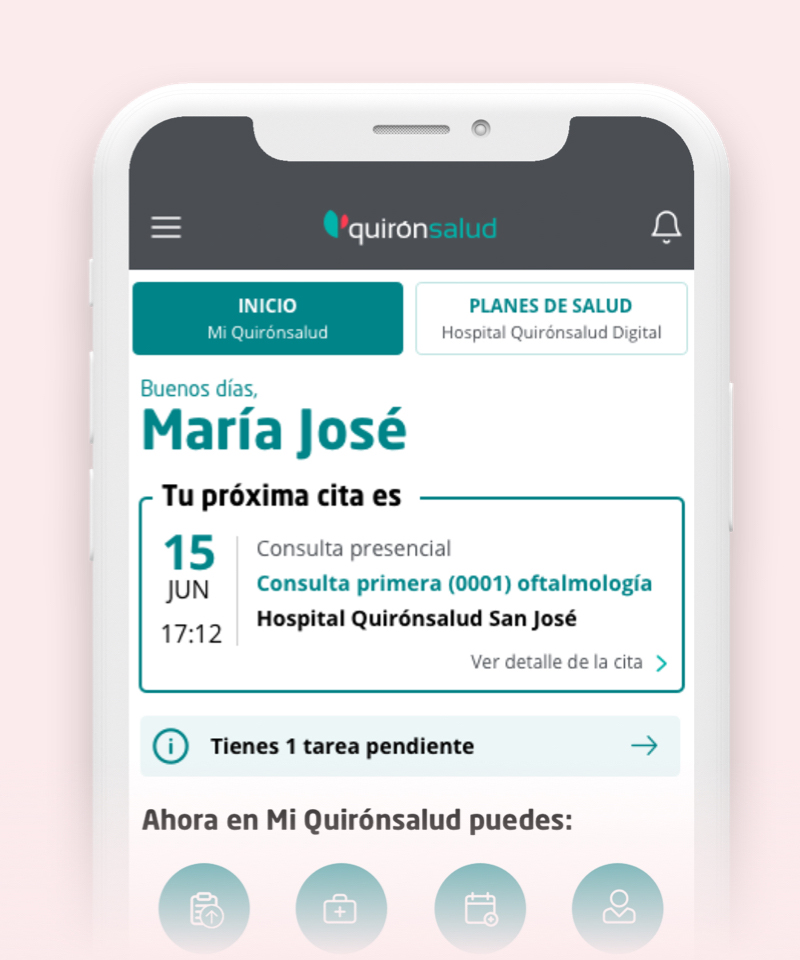
Personal health area: My Quirónsalud
Access any time of the day to take care of your health and that of your family.
My Quirónsalud is your private and secure personal space where you can request and manage your appointments or check your clinical reports without waiting, wherever you are.
Check it out!