






Neurosciences Unit
Responsables y contacto:
Temporomandibular Joint (TMJ) Disorders and Headaches
The Temporomandibular Joint (TMJ) and Head Pain
Did you know that headaches and myofascial pain syndrome can sometimes originate from a dysfunction of the temporomandibular joint (TMJ)?
What is the TMJ?
The temporomandibular joint (TMJ) connects the lower jaw (mandible) to the skull and plays a vital role in everyday functions such as:
- Speaking
- Chewing
- Swallowing
A wide variety of conditions can disrupt the normal function of this joint, leading to symptoms such as:
- Pain
- Headaches
- Inflammation
- Restricted mouth opening
- Jaw dysfunction
Temporomandibular disorders (TMD) may affect multiple anatomical structures, including:
- Muscles
- Ligaments
- Bone
- Articular cartilage
- The articular disc (meniscus), a small cushion located between the jaw and the skull
What Causes TMJ Disorders?
Temporomandibular disorders can have many different causes.
Dental Misalignment and Bite Problems
One of the most significant contributing factors is an abnormal bite (malocclusion).
When the teeth do not align correctly, excessive stress may be placed on the temporomandibular joint, leading to:
- Joint inflammation
- Progressive joint wear
- Muscular pain and tension
- Functional difficulties
TMJ dysfunction may also cause symptoms that extend beyond the jaw, including:
- Ear fullness or blockage sensation
- Hearing changes
- Tinnitus (ringing in the ears)
- Vertigo or dizziness
- Facial numbness or altered sensation
Bruxism (Teeth Grinding and Clenching)
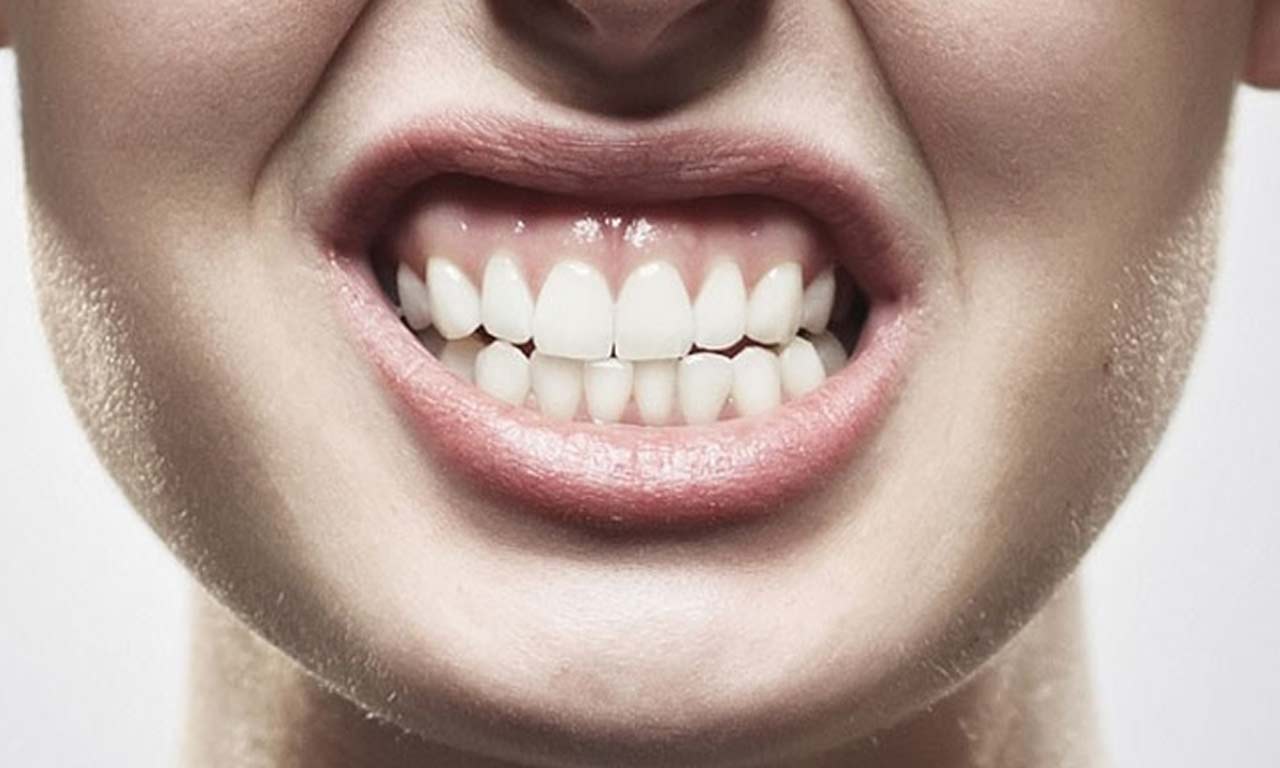
Another common cause is bruxism, which involves clenching or grinding the teeth during the day or while sleeping.
Bruxism is often associated with:
- Stress
- Emotional tension
- Anxiety
As the condition progresses, symptoms can become increasingly severe and, in some cases, significantly interfere with:
- Speaking
- Eating
- Swallowing
Diagnosis and Treatment of TMJ Disorders
Early diagnosis and treatment are extremely important. When left untreated, TMJ disorders can evolve into chronic pain conditions that may become more difficult to manage effectively.
Multidisciplinary Treatment Approach
The management of temporomandibular disorders at Quirónsalud Torrevieja is based on a multidisciplinary approach involving specialists in:
- Oral and Maxillofacial Surgery
- Rehabilitation Medicine
- Dentistry
The primary objective is to avoid surgery whenever possible through early intervention and appropriate conservative treatment.
Treatment depends on the underlying cause. In some cases, correcting the triggering factor is enough to resolve both the dysfunction and its symptoms.
Treatment options may include:
- Occlusal splints
- Physiotherapy
- Medication
- Minimally invasive procedures
- Surgery in selected cases
A major focus of treatment is effective pain control, particularly when chronic pain is present.
Common medications include:
- Analgesics
- Anti-inflammatory medication
- Muscle relaxants
In some patients, additional procedures such as arthrocentesis, joint lavage or surgical intervention may be necessary.
Therapeutic Options for TMJ Disorders
1. Targeted Injection Therapy for TMJ Dysfunction
This treatment involves the administration of precise microinjections into the masticatory muscles, particularly:
- Masseter muscles
- Temporalis muscles
The objective is to reduce muscle spasm and persistent muscle contracture commonly associated with TMJ dysfunction.
By temporarily blocking the excessive muscular activity responsible for jaw tension, the treatment promotes controlled muscle relaxation and symptom improvement.
Benefits
- Reduction in jaw pain
- Decreased muscle tension
- Improvement in jaw function
- Reduction in associated headaches
The effect is not immediate and generally develops over several days.
Benefits typically last between three and six months, with repeat treatment usually required every six to nine months, depending on the individual patient.
2. Michigan Stabilisation Splint Therapy
A Michigan splint is a custom-made dental appliance designed to prevent clenching and teeth grinding.
It is normally worn at night when unconscious grinding commonly occurs.
Benefits include:
- Protection of the teeth
- Reduction of muscle overload
- Improved jaw positioning
- Reduced joint stress
The appliance must be individually designed and should be reviewed periodically to ensure continued effectiveness.
3. Rehabilitation and Physiotherapy
Physiotherapy is an essential part of TMJ management and uses a range of techniques aimed at:
- Improving blood circulation
- Reducing local muscle ischaemia
- Restoring normal jaw mechanics
- Breaking down fibrous adhesions
- Stimulating synovial fluid production
- Reducing pain
Treatment may include:
Trigger Point Therapy
Commonly targeting:
- Temporalis muscle
- Suprazygomatic region
- Infrazygomatic regions
- Masseter muscle
- Suboccipital muscles
- Splenius muscles of the neck
- Trapezius muscle
Manual Therapy
Including:
- Temporomandibular joint mobilisation
- Cervical spine manipulation
- Therapeutic massage
- Muscle stretching
Physical Modalities
Such as:
- TENS (Transcutaneous Electrical Nerve Stimulation)
- Short-wave therapy
- Ultrasound therapy
- Laser therapy
4. Medication
Medical treatment is often particularly helpful during acute flare-ups.
Commonly prescribed medications include:
- Analgesics
- Anti-inflammatory drugs
- Muscle relaxants
These treatments are usually combined with conservative therapies and are frequently accompanied by a soft diet for approximately 7 to 15 days to reduce strain on the joint.
5. TMJ Surgery
Surgery is reserved for carefully selected patients who do not respond to conservative treatment.
Arthrocentesis
A minimally invasive procedure involving joint lavage and, where appropriate, injection of hyaluronic acid to improve joint function and reduce inflammation.
This may be particularly effective in cases of acute joint locking.
Open Joint Surgery
In advanced cases with severe degeneration, open surgical procedures may be necessary.
TMJ Joint Replacement
For end-stage joint disease with significant loss of function, implantation of a prosthetic temporomandibular joint may be considered.
Sialorrhoea (Excessive Salivation)
Excessive salivation can occur in a variety of neurological conditions, including:
- Parkinson's disease
- Cerebral palsy
- Other neuromuscular disorders
While oral medications have traditionally been used, they are often associated with undesirable side effects.
Ultrasound-Guided Treatment for Sialorrhoea
A highly effective modern treatment involves ultrasound-guided injections into the submandibular salivary glands.
This minimally invasive procedure reduces saliva production safely and effectively.
Advantages
- Quick procedure
- Highly targeted treatment
- Minimal discomfort
- Excellent safety profile
The therapeutic effect generally lasts between three and six months, and treatment can be repeated periodically, usually every six months.
TMJ Treatment in Torrevieja
The management of temporomandibular disorders requires accurate diagnosis and a multidisciplinary approach tailored to each patient's needs.
At Quirónsalud Torrevieja, our specialists in Oral and Maxillofacial Surgery, Dentistry and Rehabilitation work together to provide comprehensive care aimed at relieving pain, restoring jaw function and improving quality of life.
The TMJ service is led by Dr Marta Vallés Bergadà, Head of Oral and Maxillofacial Surgery at Quirónsalud Torrevieja Hospital. f you would like further information about our TMJ treatments and services, please contact us via the enquiry form and a member of our team will be happy to assist you.
Articles on
View the latest articles in Tu canal de salud.
Artículos en tucanaldesalud.com Maxillofacial Surgery (TMJ)
Artículos de TCS relacionados con la especialidad
 Canal vídeos
Todo sobre el Parkinson: prevención y tratamientos
La doctora Erika Torres San Narciso, especialista en Neurología del Hospital Quirónsalud Torrevieja y el Centro Médico Quirónsalud Alicante, nos advierte de los síntomas del Parkinson, cómo prevenirlo, y los tratamientos disponibles Canal vídeos
Tips para prevenir el insomnio
Josefina Raga Forcadell, enfermera de Neurología del Hospital Quirónsalud Torrevieja y el Centro Médico Quirónsalud Alicante, nos avisa de las causas del insomnio y nos ofrece consejos prácticos para evitar este problema para dormir




Personal health area: My Quirónsalud
Access any time of the day to take care of your health and that of your family.
My Quirónsalud is your private and secure personal space where you can request and manage your appointments or check your clinical reports without waiting, wherever you are.
Check it out!