



Gallstones, diastasis recti, hernias and haemorrhoids: the other lasting effects of pregnancy
Not all the changes caused by pregnancy disappear after childbirth.
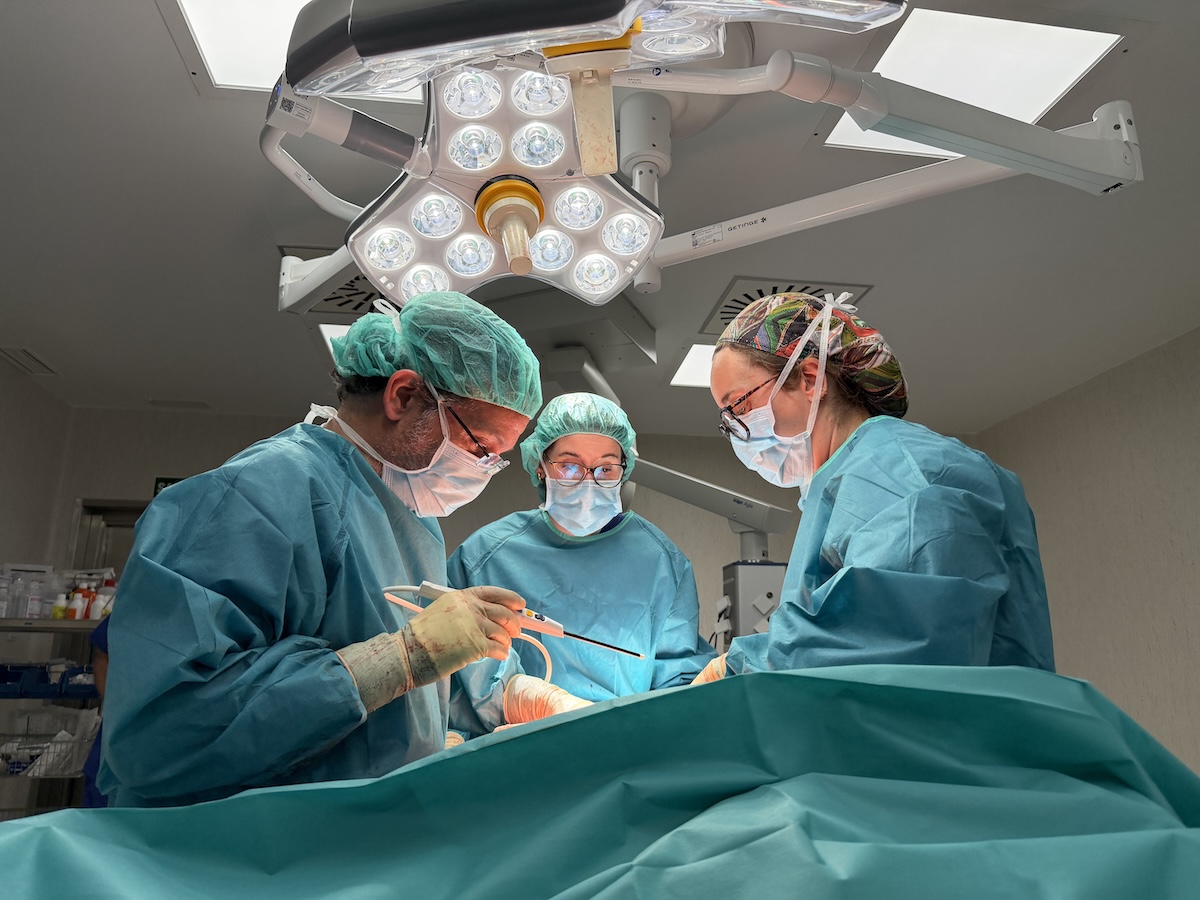
Pregnancy transforms a woman's body in ways that go far beyond what can be seen with the naked eye. Over nine months, the body undergoes significant hormonal, metabolic and anatomical changes designed to support the baby's growth and prepare the mother for childbirth. Most of these changes are physiological and gradually reverse after delivery, but some can contribute to the development of certain medical conditions or reveal problems that had previously gone unnoticed.
Gallstones, diastasis recti (separation of the abdominal muscles), umbilical or epigastric hernias, haemorrhoids and anal fissures are some examples. Although these conditions differ considerably, they share a common underlying factor: the profound changes that occur in a woman's body during pregnancy.
"There is a tendency to regard many symptoms that appear after having a baby as an inevitable consequence of pregnancy or childbirth. However, when these symptoms persist, cause pain or interfere with daily activities, they should be investigated to determine their exact cause," explains Dr Santos Jiménez de los Galanes, Head of the General and Digestive Surgery Team at Hospital Ruber Internacional, part of the Quirónsalud Group.
The Gallbladder Also Changes During Pregnancy
One of the digestive conditions associated with pregnancy is gallstone disease, also known as cholelithiasis. Increased oestrogen levels promote greater cholesterol saturation in bile, while progesterone reduces gallbladder contractility and slows its emptying. Together, these changes facilitate the formation of biliary sludge and gallstones.
As a result, some women experience their first episode of biliary colic during pregnancy or in the months following childbirth. The most characteristic symptom is severe pain in the upper right abdomen or epigastric region, frequently occurring after meals and sometimes radiating towards the back. Other symptoms may include nausea, vomiting, a feeling of fullness, bloating or abdominal distension.
"Not all gallstones require treatment, but when patients experience recurrent episodes or develop complications such as cholecystitis, pancreatitis or migration of stones into the bile ducts, specialist assessment is essential," the surgeon explains.
Laparoscopic cholecystectomy remains the standard treatment for symptomatic gallstone disease. However, in selected cases, minimally invasive procedures aimed at preserving the gallbladder while removing only the stones may be considered. This alternative requires careful patient selection and does not currently replace standard treatment.
Diastasis Recti: More Than a Cosmetic Concern
The abdominal wall also undergoes an extraordinary transformation during pregnancy. As the uterus grows, the rectus abdominis muscles gradually separate due to stretching of the linea alba. This condition is known as diastasis recti.
To varying degrees, this is a normal physiological process during pregnancy. The problem arises when, months after childbirth, the abdominal wall has not adequately recovered its anatomy and, more importantly, its function.
According to the specialist, diastasis recti should not be regarded solely as a cosmetic issue. The abdominal wall plays a crucial role in trunk stability, and significant separation can lead to core weakness, postural problems, abdominal discomfort or lower back pain.
During the first few months after childbirth, natural tissue recovery, combined with physiotherapy and an appropriate programme to strengthen the deep abdominal muscles, can produce substantial improvement. The key, the specialist emphasises, is not simply to exercise more, but to perform the right exercises for each individual situation.
When diastasis recti is severe, persists despite properly supervised rehabilitation, causes symptoms or is accompanied by a hernia, surgical reconstruction of the abdominal wall may be considered. In selected patients, minimally invasive techniques allow surgeons to reconstruct the abdominal midline and simultaneously repair associated hernias through small incisions.
Diastasis Recti or Hernia?
Although these conditions can occur together, they are not the same. Diastasis recti involves separation of the rectus abdominis muscles and widening of the linea alba, but does not necessarily involve a defect in the abdominal wall. A hernia, by contrast, involves an opening or defect through which abdominal contents may protrude.
During pregnancy, stretching of the abdominal wall and the sustained increase in intra-abdominal pressure can contribute to the development of hernias, particularly umbilical or epigastric hernias. Some appear simply as a small bulge around the navel, while others cause discomfort during exercise, coughing, lifting heavy objects or standing for prolonged periods.
"When significant diastasis recti and a hernia coexist, we need to assess the abdominal wall as a whole. It is not simply a matter of closing the small defect we can see, but of understanding how the entire abdominal wall is functioning and determining the most appropriate treatment for each patient," explains Dr Jiménez de los Galanes.
Haemorrhoids and Anal Fissures: Common but Still Rarely Discussed
Pregnancy and the postpartum period are also particularly favourable conditions for the development of haemorrhoids and anal fissures. As the uterus grows, it increases pressure on the pelvic venous system, while hormonal changes affect tissues and circulation. Constipation is also common during pregnancy, and the straining associated with vaginal delivery can further contribute to these problems.
Bleeding, itching, a sensation of fullness in the anal area, haemorrhoidal prolapse or painful episodes of thrombosis may occur even in women who have never experienced these symptoms before.
The good news is that many pregnancy-related haemorrhoids improve spontaneously in the weeks or months following childbirth. For this reason, initial management generally focuses on conservative measures aimed at preventing constipation, maintaining adequate hydration, increasing dietary fibre appropriately and avoiding prolonged straining during bowel movements.
"If bleeding, prolapse, discomfort or recurrent episodes of thrombosis continue beyond the initial recovery period, medical assessment is advisable. Today, we have several treatment options that can be tailored to the type and severity of haemorrhoidal disease," explains Dr Jiménez de los Galanes.
These include various procedures and minimally invasive techniques which, in selected patients, may reduce postoperative pain and facilitate faster recovery, including the use of laser treatment, botulinum toxin or platelet-rich plasma.
Not Everything Is 'Normal After Becoming a Mother'
Recovery after pregnancy takes time, and not every physical change requires treatment. However, symptoms that affect quality of life should not be indefinitely dismissed as normal.
Recurrent abdominal pain, persistent abdominal wall weakness, a symptomatic hernia or haemorrhoids that fail to improve should not be accepted as the inevitable price of pregnancy. Some conditions will resolve spontaneously; others will respond to physiotherapy, targeted exercise, dietary changes or medical treatment, while a smaller proportion will require surgery.
Furthermore, unless complications make earlier intervention advisable, decisions regarding abdominal wall surgery are generally made after the initial postpartum recovery period, also taking into account the possibility of future pregnancies.
"The aim today is not to perform more operations, but to identify more accurately which patients need treatment and offer the least invasive option capable of resolving the problem. For a young, active woman, restoring function should be just as important as restoring anatomy," the specialist concludes.