


Ruber International Hospital’s Complex Wound Unit Combines Technological Innovation and Multidisciplinary Care to Prevent Amputations and Accelerate Healing
Specialists in nursing, vascular surgery, endocrinology, internal medicine, and rehabilitation work together to provide comprehensive care for wounds that can remain open for months or even years.
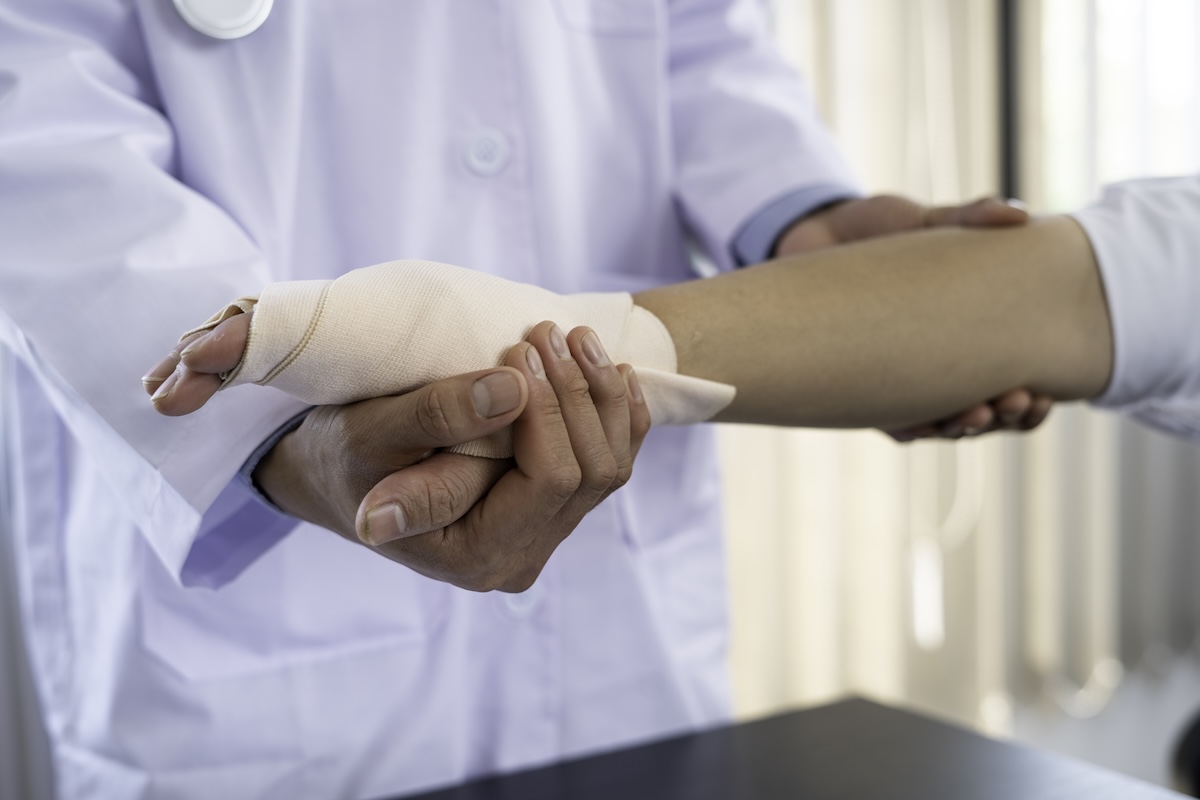
Persistent pain, limited mobility, risk of infection, and even amputations. Complex wounds represent a major health problem that affects the quality of life of thousands of people and, in many cases, remains underdiagnosed. Behind a wound that fails to heal, there is often not just a skin injury, but a combination of clinical factors that influence its progression and require specialized treatment.
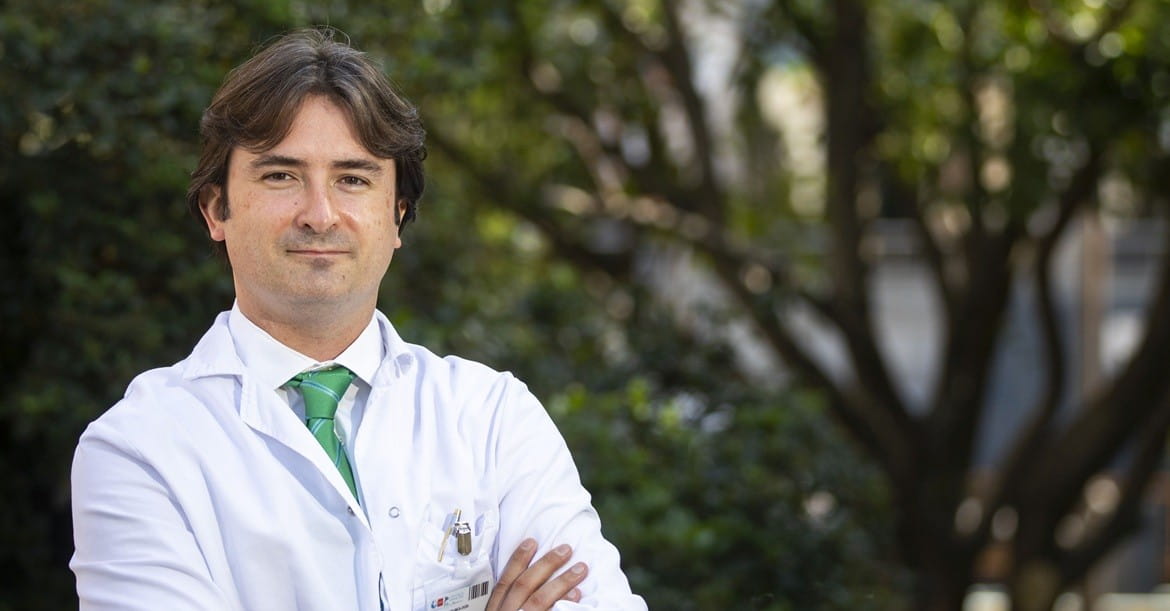
To address this need, the Complex Wound Unit at Ruber International Hospital, part of the Quirónsalud Group, was established three years ago under the leadership of nurses Montserrat del Peso Vidal and Ana Isabel Igualada Jiménez. Its mission is to provide comprehensive, personalized care for patients with hard-to-heal wounds, focusing not only on the injury itself but also on the underlying causes that trigger or hinder the healing process.
 High resolution image. This link will open using lightbox, there may be a context switch"Very often, the key is not the wound itself, but everything behind it. That is why we carry out a comprehensive assessment of each patient to identify factors such as vascular problems, diabetes, infections, nutritional deficiencies, or mobility limitations that may be slowing down wound healing," explain the unit’s leaders.
Venous leg ulcers, diabetic foot ulcers, pressure injuries, complicated surgical wounds, and traumatic wounds with poor healing progression are among the most common conditions treated by this specialized team. According to the experts, one of the most frequent mistakes is focusing solely on the wound without addressing its underlying cause.
The Value of a Multidisciplinary Approach
The complexity of these patients’ conditions requires the coordinated involvement of different healthcare professionals. For this reason, the unit works closely with specialists in Vascular Surgery, Endocrinology, Internal Medicine, Rehabilitation, and Primary Care.
"Wound healing depends on multiple factors. No single specialty can address all of them in isolation. Coordination among professionals allows us to provide more comprehensive care, improve decision-making, and achieve better clinical outcomes," say Montserrat del Peso Vidal and Ana Isabel Igualada Jiménez.
This multidisciplinary approach is particularly important in conditions such as diabetic foot ulcers and vascular ulcers, where early intervention can make the difference between functional recovery and severe complications such as amputation.
Technology to Anticipate Complications
Alongside clinical expertise, technological innovation is another cornerstone of the unit. Among its most advanced tools is hyperspectral imaging, a technology that objectively analyzes tissue perfusion and oxygenation.
"This technology provides information that is not always visible to the naked eye. It helps us detect potential problems in wound progression at an early stage, assess treatment response, and make more accurate clinical decisions," explain the specialists.
The unit also incorporates advanced therapies such as topical oxygen therapy, next-generation wound dressings, and specialized compression therapy, tailoring each treatment strategy to the specific characteristics and needs of every patient.
Much More Than Closing Wounds
The results of this care model extend far beyond wound closure. The unit’s leaders particularly recall the case of a patient from Ciudad Real who presented with a toe lesion carrying a high risk of amputation. Thanks to early intervention, close monitoring, and the use of advanced therapies, the wound healed successfully and the loss of the limb was avoided.
"Our work is not simply about closing wounds. We help prevent amputations, reduce complications, restore independence, and improve people’s quality of life," they emphasize.
For this reason, the specialists stress the importance of consulting wound care experts when a wound fails to improve after several weeks, increases in size, shows signs of infection, or occurs in patients with diabetes or vascular disease.
"People should not resign themselves to living for years with a chronic wound. Many lesions that seem to have no solution can improve and even heal when their causes are correctly identified and the patient is treated comprehensively. Because a chronic wound is never just a wound," they conclude.