


Dental trauma in children and immediate treatment for prevention
Early intervention in the event of blows and falls is key to preserving temporary and permanent teeth.
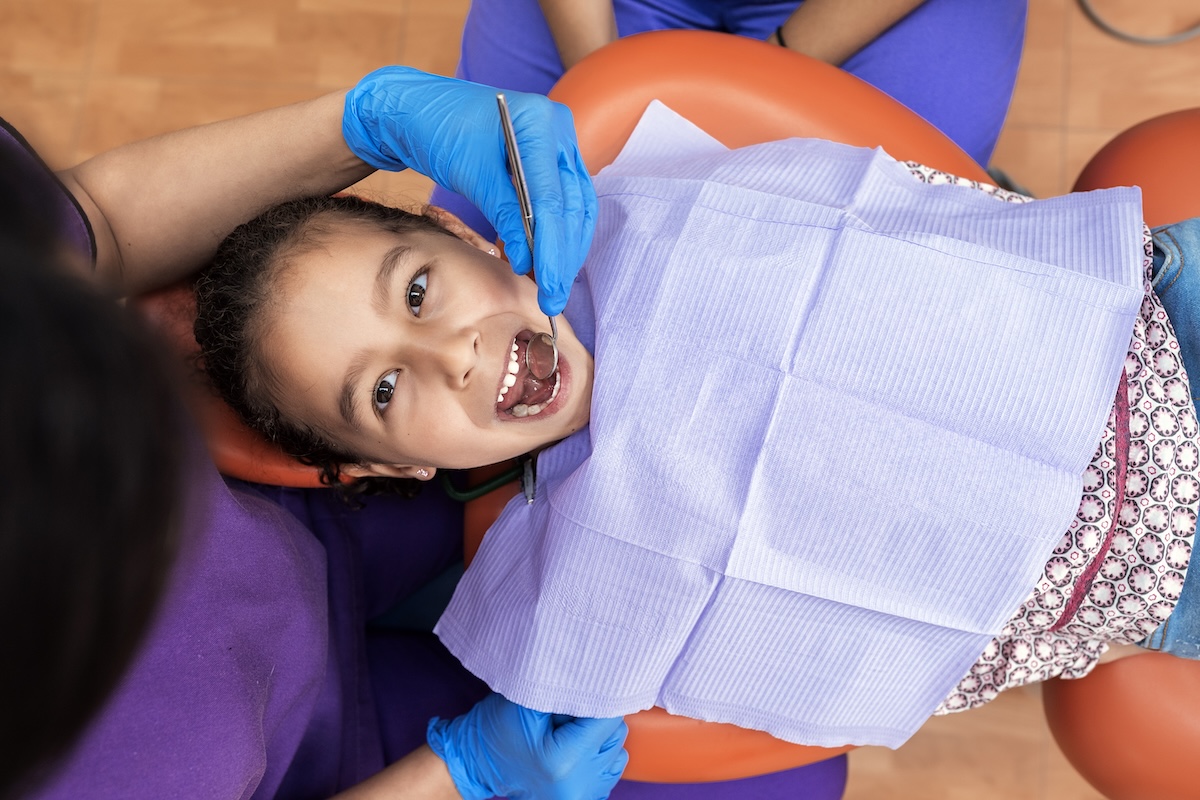
Falls, playing in the park or practising sports make dental trauma one of the most common dental emergencies during childhood. Knowing how to act in the first few minutes can make the difference between saving a tooth or suffering long-term consequences.
girl with dental trauma ‘The recommendation is clear: in the event of any blow to a tooth, whether milk or permanent, you should see a dentist as soon as possible,’ explains Dr Alejandra Hernández Guevara, paediatric dentist at Ruber Internacional Centro Médico Habana.
According to the specialist, the damage is not always visible. ‘A small fracture can hide bone injuries or affect teeth that are still forming,’ she warns.
Baby teeth: more important than they seem
There is a false belief that temporary teeth do not require urgent attention. However, Dr Hernández Guevara insists that ‘baby teeth guide the eruption of permanent teeth and protect their development’.
In this regard, the doctor points out that when a baby tooth is lost due to trauma, it does not usually grow back, but the need to place space maintainers should be assessed to avoid future alignment problems.
In the case of a permanent tooth that has been completely knocked out, time is of the essence. ‘The sooner we act, the better the prognosis and the greater the chances of saving the tooth,’ says the paediatric dentist.
The specialist reminds us that the tooth should always be picked up by the crown, rinsed gently with water and kept in milk or saliva until you reach the dentist's office.
Prevention: the key role of children's sports
It is estimated that up to 30–40% of dental injuries in children are related to sports activities, especially contact sports, skating, cycling, or football.
‘The use of customised mouthguards reduces the risk of fractures and tooth loss,’ says Dr Hernández Guevara. She also recommends adult supervision, the use of helmets and encouraging safe games adapted to the child's age.