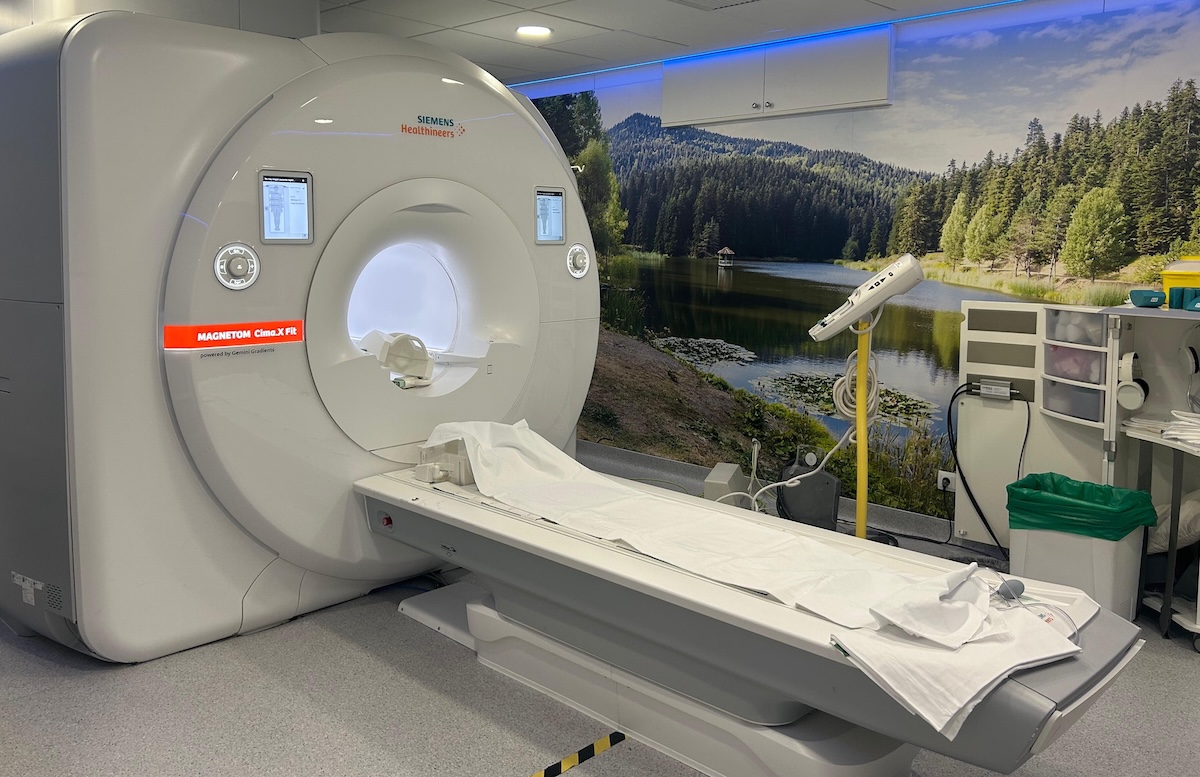





Next-generation cardiac magnetic resonance imaging improves the early detection of cardiovascular diseases.
Ruber Internacional Hospital is promoting an advanced cardiac imaging program led by Dr. Guillermo Isasti to enhance the diagnosis and monitoring of heart diseases.
Cardiovascular diseases remain the leading cause of mortality in Spain and in much of the world, often progressing silently for years before symptoms appear. In this context, early and accurate diagnosis is essential to detect abnormalities at an early stage, initiate appropriate treatments, and prevent serious complications.
For this reason, Ruber Internacional Hospital has launched an advanced cardiac imaging program aimed at improving the diagnosis and monitoring of heart diseases through the use of state-of-the-art technologies. The initiative is led by Dr. Guillermo Isasti, a cardiologist specializing in advanced cardiac imaging.
Advanced cardiac imaging techniques mainly include cardiac magnetic resonance imaging (Cardiac MRI) and cardiac CT scans—tools that allow the heart to be studied with great precision from both an anatomical and functional perspective. In this initial phase, the program focuses particularly on enhancing the use of Cardiac MRI by developing specific protocols for different cardiovascular diseases.
 High resolution image. This link will open using lightbox, there may be a context switch"The goal is for patients to have access to Cardiac MRI studies performed with the highest quality standards and based on the most recent scientific evidence, allowing us to diagnose a wide range of heart diseases with great precision," explains Dr. Isasti.
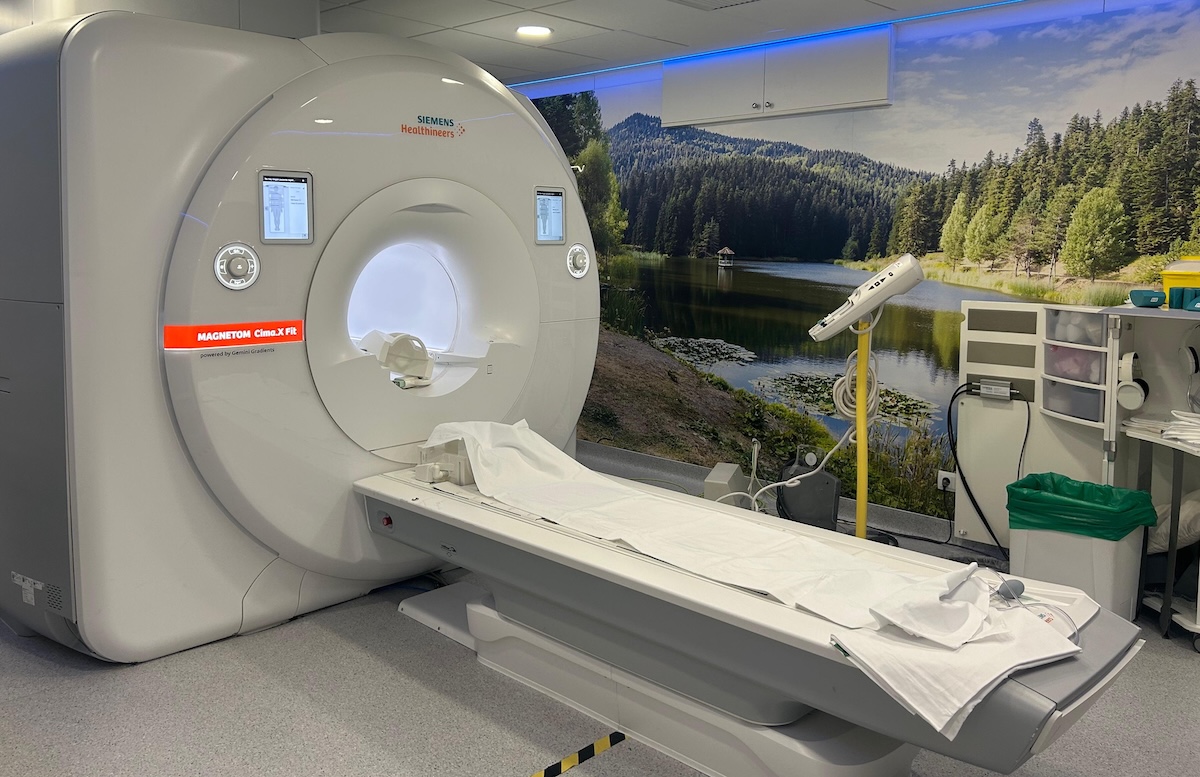
The development of the project has been made possible by the hospital’s acquisition of a next-generation 3-tesla MRI scanner, which enables highly detailed cardiac imaging. This technology, combined with specific clinical protocols and a highly specialized medical team, makes it possible to fully leverage the potential of advanced imaging in cardiology.
More accurate diagnoses and early detection
Advanced cardiac imaging techniques make it possible to analyze in detail the structure and function of the heart muscle, myocardial blood flow, and the presence of fibrosis or scarring, improving both initial diagnosis and patient follow-up.
In addition, some modalities such as stress Cardiac MRI allow physicians to study how the heart responds when it requires increased blood supply, helping to detect abnormalities in coronary circulation with high sensitivity.
"Cardiac MRI can identify changes in heart muscle tissue even at very early stages, before symptoms appear or abnormalities become visible with other tests," the specialist notes.
These techniques are especially useful in patients with cardiomyopathies, ischemic heart disease or coronary artery disease, valvular heart disease, arrhythmias, or inflammatory heart conditions, among others. They also provide key information for patient risk stratification and for guiding more personalized treatment decisions.
A multidisciplinary program
The hospital’s advanced cardiac imaging program is developed through multidisciplinary collaboration between the Cardiology and Radiology departments, as well as other services involved in the care of patients with cardiovascular disease, such as emergency medicine, internal medicine, and intensive care.
The new unit has a dedicated care pathway for performing these tests and is staffed by a team of cardiologists, radiologists, and MRI technologists. Diagnostic reports are available to both patients and referring physicians within approximately 24 to 48 hours.
According to the specialist, more than a dozen studies have already been performed in the first weeks of the program, and the hospital expects to exceed 100 patients per year—a figure that will likely increase as the clinical indications for Cardiac MRI expand.
Driving research and personalized medicine
In addition to its clinical application, the project includes the development of research lines in advanced cardiac imaging through the creation of clinical and imaging databases that may contribute to scientific studies and collaborations with other centers.
According to Dr. Isasti, the evolution of these techniques will play a key role in the future of cardiovascular medicine. "Advanced cardiac imaging allows us to understand in much greater detail how the heart works and how cardiovascular diseases evolve. In the coming years, it will continue to evolve and integrate with tools such as data analysis and artificial intelligence," he states.
The specialist also highlights the importance of early diagnosis: "Cardiovascular diseases remain the leading cause of mortality in our society, but today we have increasingly precise diagnostic tools that allow us to detect them earlier and treat them more effectively."
"Cardiac MRI allows us to understand the heart with a level of precision that would have been unthinkable just a few years ago, and that translates into more accurate diagnoses and better tailored treatments for each patient," concludes Dr. Guillermo Isasti.