


Tired legs: a possible warning sign of vascular health
Risk factors, warning signs, and the importance of vascular check-ups.
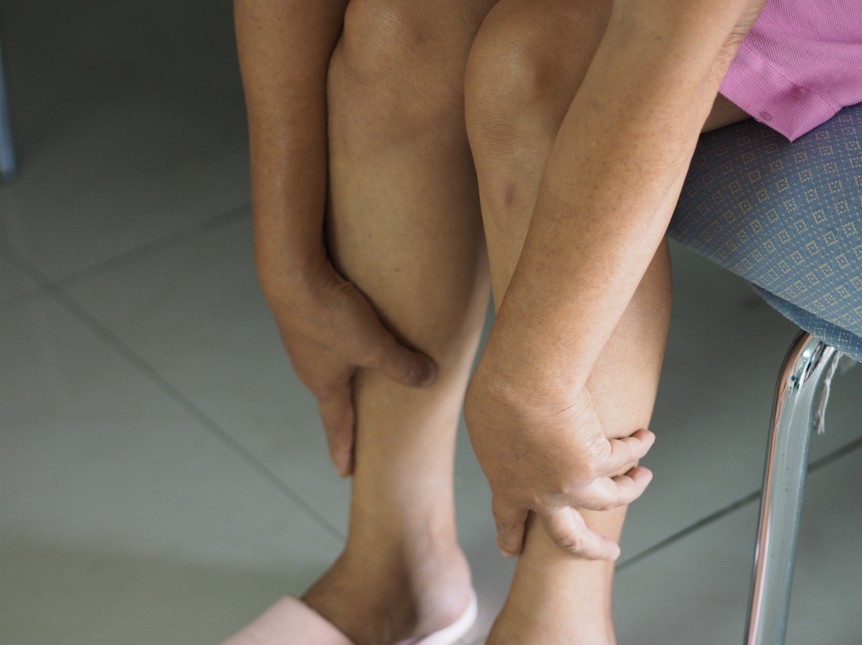
Veins and arteries are the body’s true "highways," carrying blood that delivers oxygen and nutrients to all tissues. When this system does not function properly, problems can arise ranging from heaviness and swelling in the legs to vascular diseases that seriously affect health and quality of life.
From the Angiology and Vascular Surgery Unit at Hospital Ruber Internacional, specialists emphasize the importance of vascular prevention as a key tool for the early detection of venous, lymphatic, and arterial disorders in order to avoid future complications.
"The key message is that many vascular diseases can be prevented or detected early if we pay attention to risk factors and warning signs," explains Dr. Pablo Gallo González, Head of the Angiology and Vascular Surgery Department.
The development of venous or arterial disease is closely linked to certain habits and health conditions. Spending long hours sitting or standing without moving, lack of exercise, being overweight or obese, and smoking are among the most common factors.
These are compounded by conditions such as hypertension, high cholesterol, or diabetes, as well as hormonal changes—pregnancy, menopause, or the use of contraceptives—which can contribute to the development of varicose veins or thrombosis. Age and family history also play an important role.
"These factors can affect both arteries, by reducing blood flow, and veins, by hindering the return of blood to the heart," notes Dr. Gallo González.
Although vascular prevention is advisable for the entire population, the specialist highlights certain groups for whom it is especially important: people experiencing tired legs, heaviness or swelling; those with visible varicose veins, skin changes, or nighttime cramps; and individuals who experience leg pain when walking, coldness, or color changes.
Preventive vascular assessment is also recommended for people over 45, those with sedentary jobs or who spend many hours standing, patients with cardiovascular risk factors, active or former smokers, and individuals with a family history of varicose veins or early arterial disease.
"Sometimes symptoms are mild or normalized, but they may be the first warning of a vascular problem," the doctor warns.
Small habits with big benefits
Adopting simple habits can make a big difference: staying active daily, maintaining a healthy weight, avoiding tobacco, elevating the legs whenever possible, and using compression stockings when prescribed by a doctor—since in some patients, such as those with arterial disease, they may be contraindicated.
However, specialists stress that these measures should be complemented by a preventive vascular check-up, which allows the actual condition of veins and arteries to be assessed and addressed before complications arise.
"Listening to your legs and your circulation is a smart way to take care of yourself," concludes Dr. Pablo Gallo. "Vascular health begins long before symptoms appear."