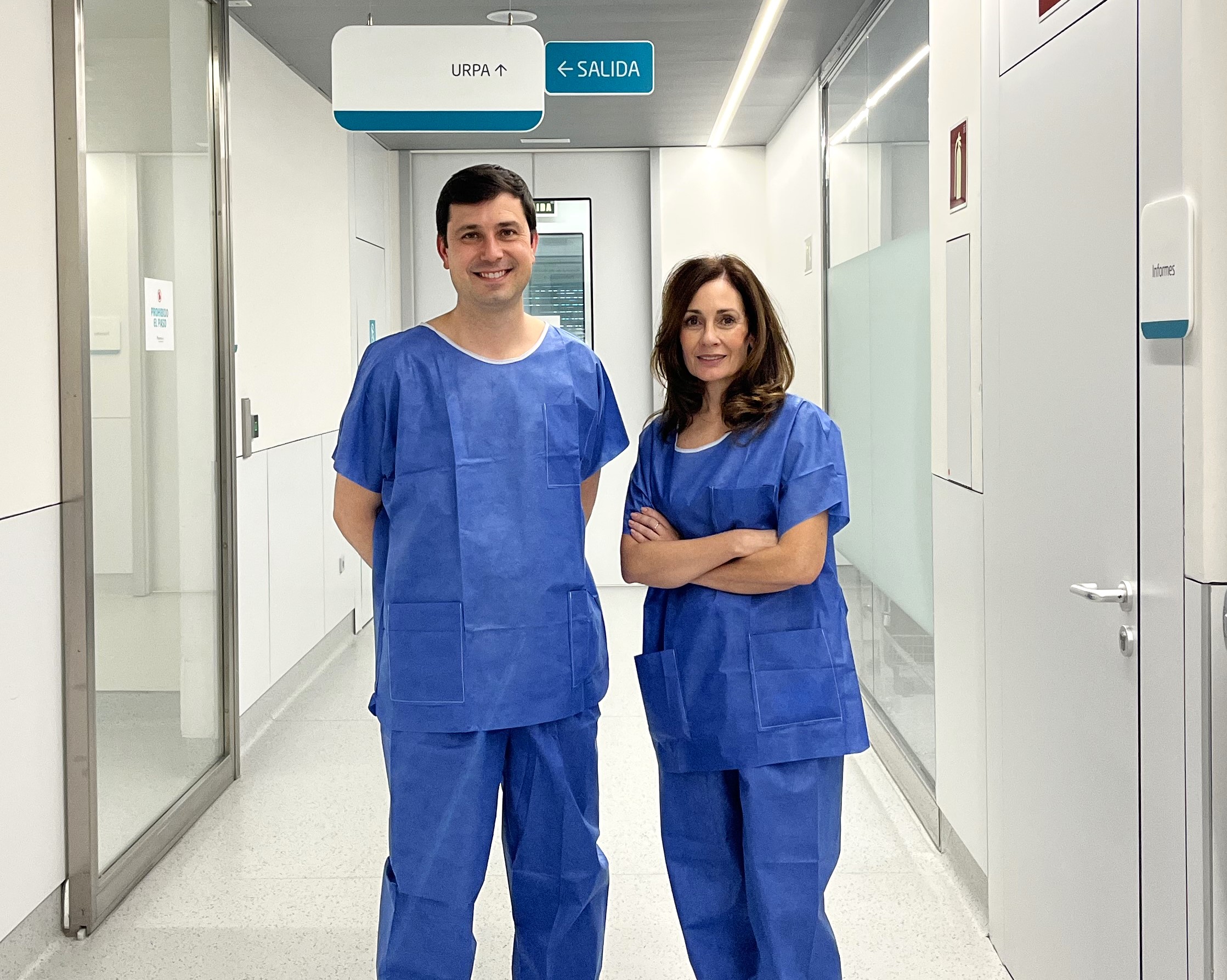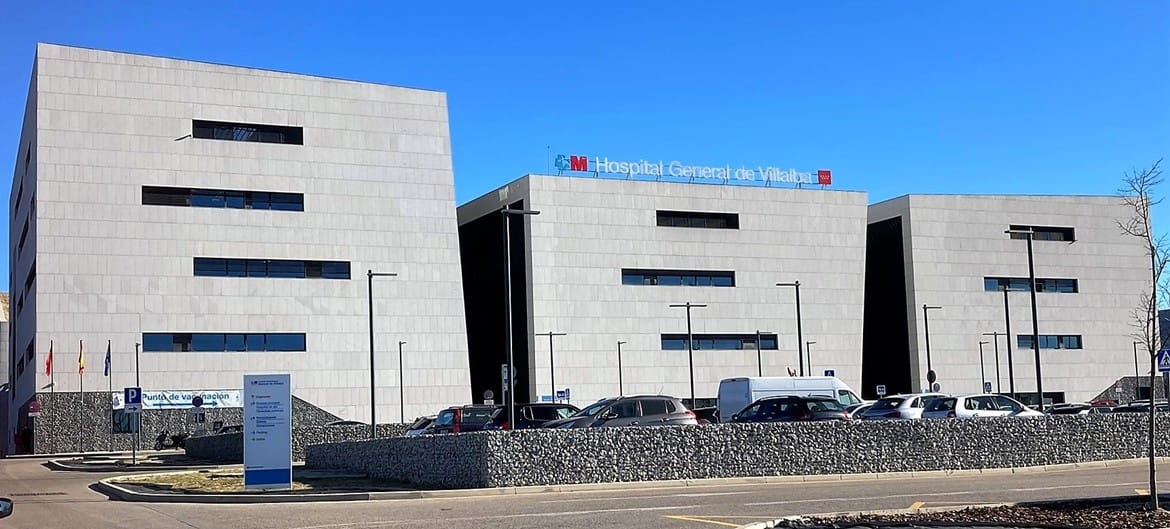



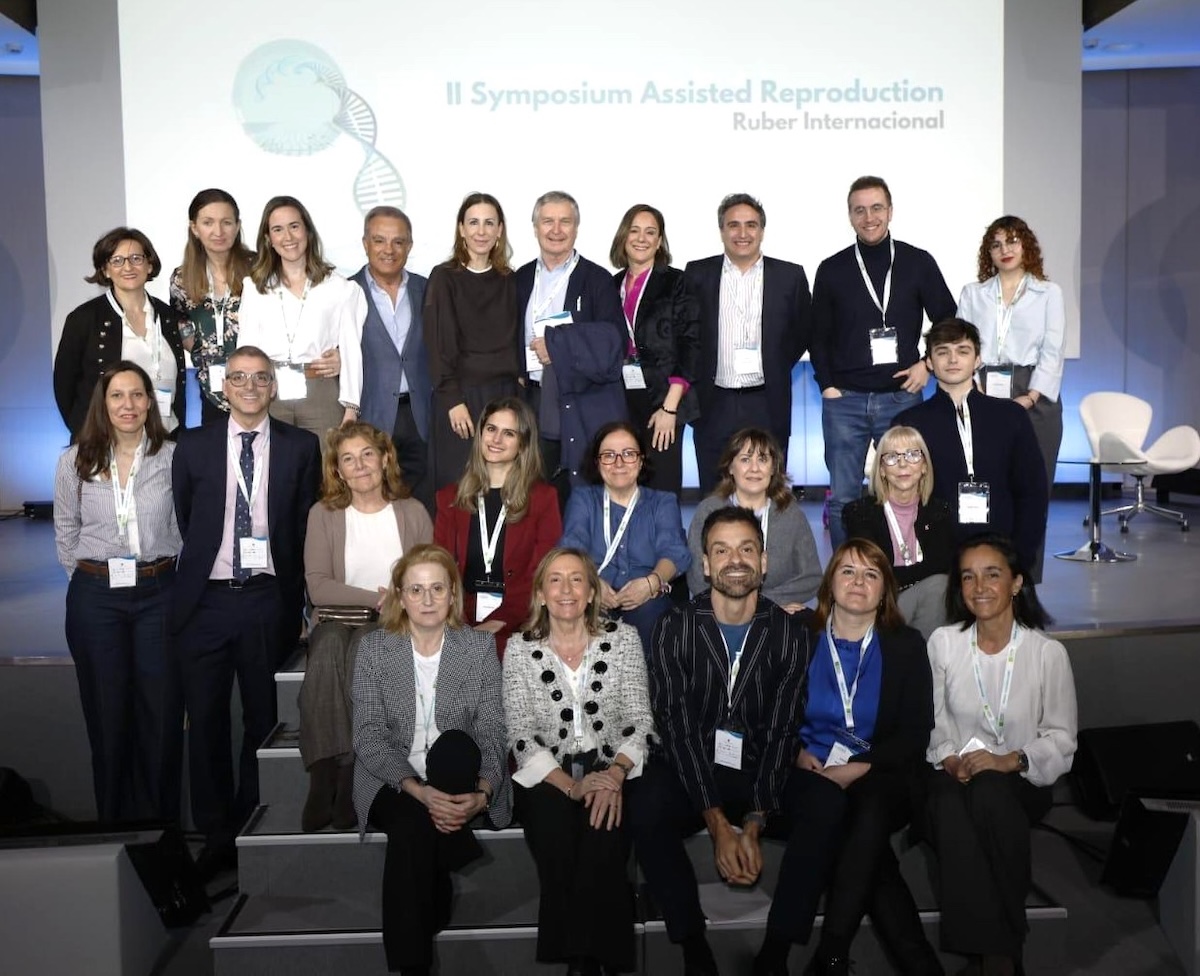
Innovation in reproductive medicine takes center stage at the II Assisted Reproduction Symposium at Hospital Ruber Internacional.
The hospital brings together leading national and international experts in Madrid for the II Symposium on Assisted Reproduction
On the occasion of World Kidney Day, which is observed this Thursday, March 12, specialists stress the need to raise awareness about Chronic Kidney Disease (CKD), a progressive condition that gradually reduces the kidneys’ ability to filter the blood and affects more than 10% of the global population, equivalent to over 800 million people. In Spain, the situation is also significant: one in seven adults suffers from CKD, with a prevalence of 15.1%, more common in men, older individuals, and patients with cardiovascular disease.
"The main problem with chronic kidney disease is that it is silent in its early stages. Many patients do not experience symptoms until advanced stages, when the damage is already significant," explains Dr. Ramón Delgado Lillo, Head of the Nephrology Department at Hospital Ruber Internacional.
CKD is already among the leading causes of global morbidity and mortality. In 2016, it ranked as the sixteenth leading cause of death worldwide, and projections suggest that by 2040 it could become one of the top five causes of years of life lost.
Over the past decade, both advanced cases and patients requiring renal replacement therapy have increased by nearly 30% in Spain.
"If we do not act with clear prevention and early diagnosis strategies, chronic kidney disease will continue to grow and will have an increasingly significant health and social impact," warns the nephrologist.
Late symptoms and simple diagnosis
In its early stages, the disease usually does not produce clear symptoms. When symptoms appear—such as fatigue, loss of appetite, nausea, swelling in the legs, itching, sleep disturbances, or cognitive changes—kidney deterioration is often already advanced.
However, detecting the disease is relatively simple. "Only two basic tests are needed: a blood test to estimate the glomerular filtration rate and a urine test to measure the presence of albumin. These are accessible and essential tests, especially for people with risk factors," explains Dr. Delgado Lillo.
CKD is diagnosed when abnormalities in kidney structure or function persist for more than three months, such as a glomerular filtration rate below 60 ml/min/1.73 m² or the persistent presence of albuminuria.
Kidney, heart, and metabolism: when one organ fails, the others feel it
One of the most relevant aspects is the interconnection between the renal, cardiovascular, and metabolic systems. Hypertension and type 2 diabetes—the main cause of CKD in Spain—are closely linked to kidney deterioration.
According to Dr. Ramón Delgado Lillo, people with chronic kidney disease have a very high cardiovascular risk, even in the early stages.
"That is why we talk about a comprehensive view of the patient: taking care of the kidneys also means protecting the heart."
More than 77% of patients with CKD have a very high cardiovascular risk, and between 42% and 53% of people with heart failure also suffer from chronic kidney disease.
Despite its high prevalence, public awareness of CKD remains limited. Many people are unaware that the disease can begin without symptoms or that diabetes significantly increases the risk of developing it.
"The main challenge is raising public awareness and facilitating access to screening for people with risk factors: those over 60 years old, patients with hypertension, diabetes, or cardiovascular disease," insists Dr. Delgado Lillo.
Screening campaigns carried out in different Spanish cities have revealed a concerning reality: a significant number of people show signs of kidney disease without being aware of it.
"Chronic kidney disease can be detected early and, if we act in time, we can slow its progression and reduce complications. We should not wait for symptoms to appear," concludes the specialist.