



“Don’t wait until it hurts”: why oral health matters before starting cancer treatment
Dr. Milagros Díaz Rodríguez, a specialist in Oral Medicine at Ruber Internacional Centro Médico Habana, part of the Quirónsalud group, highlights the importance of assessing and caring for oral health before starting cancer treatment to prevent complications and preserve patients’ quality of life.
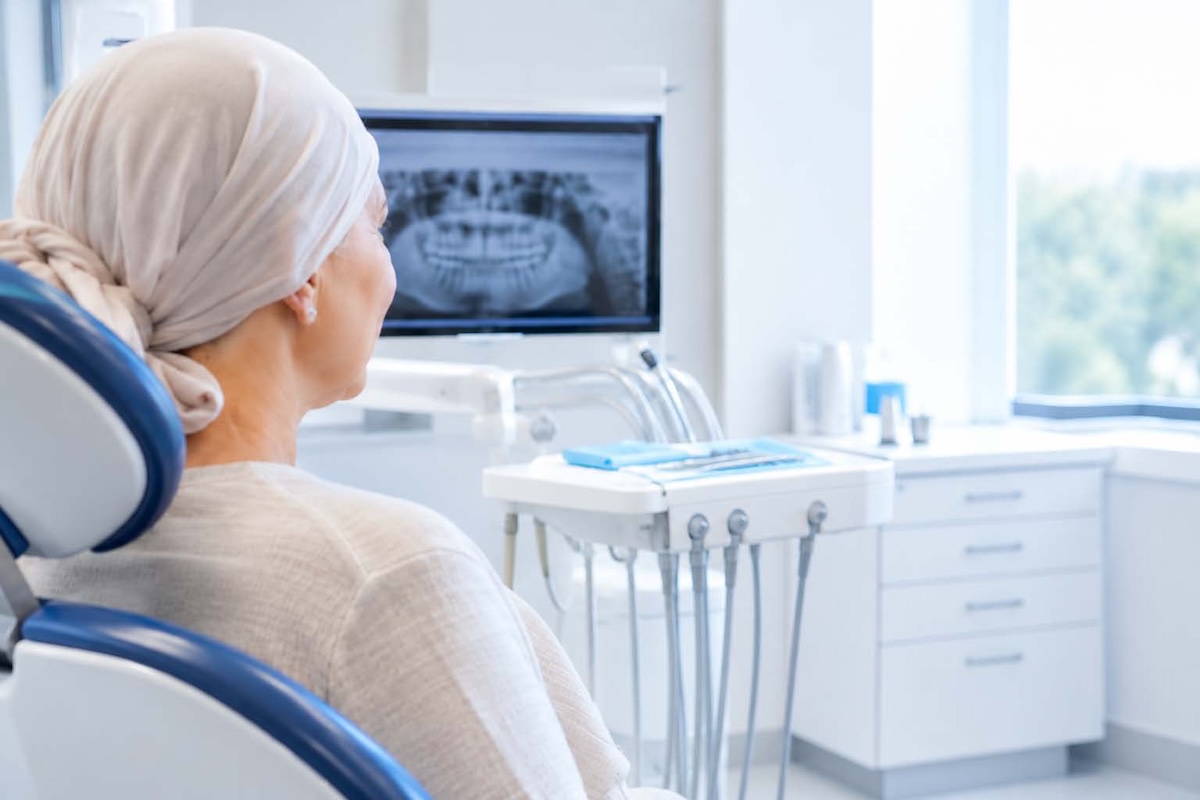
When someone receives a cancer diagnosis, the priority is to address the disease and plan the most appropriate treatment. However, another aspect of health also deserves attention from the very beginning: oral health. Assessing the condition of the mouth before starting chemotherapy, head and neck radiotherapy, or other cancer treatments makes it possible to identify problems that could worsen during treatment and take preventive measures to reduce the risk of complications.
"Prevention is key. If we examine the mouth before treatment begins, we can address any problems in time and prevent future complications that may develop when the patient’s immune defenses are weakened," explains Dr. Milagros Díaz Rodríguez, a specialist in Oral Medicine and Clinical Diagnosis of Oral Mucosal Diseases at Ruber Internacional Centro Médico Habana.
The specialist points out that some oral and dental conditions may go unnoticed because they do not cause pain in their early stages. Cavities, dental and gum infections, damaged teeth, and poorly fitting dentures that cause irritation are among the problems that should be identified before treatment begins. Addressing these issues in advance helps reduce the risk of complications during cancer therapy.
Chemotherapy and Radiotherapy: How They Can Affect the Mouth
Cancer treatments can cause a range of changes in the oral cavity. Among the most common are mucositis, dry mouth, changes in taste, and an increased risk of infections and tooth decay.
 High resolution image. This link will open using lightbox, there may be a context switchMucositis is an inflammation of the oral mucosa that causes painful sores which, in more advanced stages, can make eating and speaking difficult. It is often one of the complications that most significantly affects patients’ quality of life and may lead to interruptions or delays in cancer treatment. However, when addressed early, the extent and severity of the lesions can be significantly reduced.
The effects depend on the type of treatment administered and each patient’s individual characteristics. In particular, radiotherapy directed at the head and neck can cause some of the most significant oral side effects, potentially affecting the salivary glands, oral mucosa, and surrounding bone tissue.
As Dr. Díaz Rodríguez emphasizes, "The good news is that, with appropriate preventive care, many of these complications can be reduced or managed."
Mouth Sores, Dryness, or Pain When Swallowing: Warning Signs That Should Not Be Ignored
Recognizing symptoms that may develop during treatment allows patients and healthcare professionals to act more quickly. The appearance of mouth sores, severe dryness, white patches, bleeding gums, swelling, or pain in the teeth or jaw should be reported to the healthcare team. It is also important to seek medical advice if discomfort occurs while eating or swallowing.
Fever accompanied by oral symptoms requires immediate medical attention, particularly in patients receiving treatments that can weaken the immune system. In these cases, patients should contact their oncology team without delay for appropriate guidance.
According to Dr. Milagros Díaz Rodríguez, mucositis is much easier to treat in its early stages, when the first lesions appear, than when it has become severe. She therefore recommends undergoing a dental assessment before starting cancer treatment and maintaining regular follow-up throughout the process.
Oral Hygiene, Hydration, and Nutrition: Habits That Help Protect Oral Health
Daily oral care also plays an important role in preventing complications. General recommendations include:
-
Maintain gentle and consistent oral hygiene, using a soft-bristled toothbrush and fluoride toothpaste, and adapting the routine if pain or sensitivity develops.
-
Use products suitable for sensitive oral tissues, such as alcohol-free mouthwashes, according to individual needs and healthcare professionals’ recommendations.
-
Stay well hydrated, drinking water frequently and seeking advice about moisturizing gels or saliva substitutes if dry mouth occurs.
-
Adapt your diet if the mouth becomes sensitive, avoiding highly acidic, spicy, hard, or excessively hot foods.
-
Clean dentures properly and ensure they do not cause sores or irritation.
-
Avoid tobacco and alcohol, as they can worsen irritation of the oral mucosa and negatively affect oral health.
-
Examine the mouth carefully and regularly to help identify potential complications at an early stage.
These measures should be tailored to the type of cancer treatment, the condition of the oral mucosa, and each patient’s individual needs.
"If lesions or pain develop, it is advisable to seek professional guidance before changing oral hygiene products or using treatments without medical advice," the doctor explains.
The Dentist as Part of the Multidisciplinary Cancer Care Team
Oral healthcare should not be limited to a single examination before cancer therapy begins. Continued monitoring during and after treatment helps identify complications, adapt oral care routines, and manage potential long-term effects.
Working closely with the oncology team, dental professionals can help prepare the mouth before treatment, reinforce preventive measures, and manage any oral complications that arise. Depending on the patient’s clinical needs, interventions may include fluoride applications, measures to stimulate saliva production, or low-level laser therapy to manage mucositis.
Dr. Díaz Rodríguez emphasizes that this coordinated approach helps provide more comprehensive care, focusing not only on treating cancer but also on patients’ everyday well-being.
Prevention Begins Before the First Treatment Cycle
Maintaining good oral health is an essential part of comprehensive cancer care. Early assessment, personalized oral hygiene recommendations, and professional follow-up make it possible to anticipate potential complications and intervene as soon as the first symptoms appear.
The specialist’s message is clear: "Don’t wait until it hurts: a timely oral examination can make all the difference."
For this reason, following a cancer diagnosis, consulting an oral healthcare professional experienced in caring for oncology patients before starting treatment, and maintaining regular follow-up throughout the process, can help protect oral health and preserve quality of life during a particularly challenging time for patients.