


Gallstones: when surgery is necessary and why laparoscopic surgery is the treatment of choice
Dr. César Canales Bedoya, Head of the General and Digestive Surgery Department at Hospital Ruber Internacional, explains when gallstone disease should be treated surgically and dispels some of the most common myths surrounding gallbladder removal.
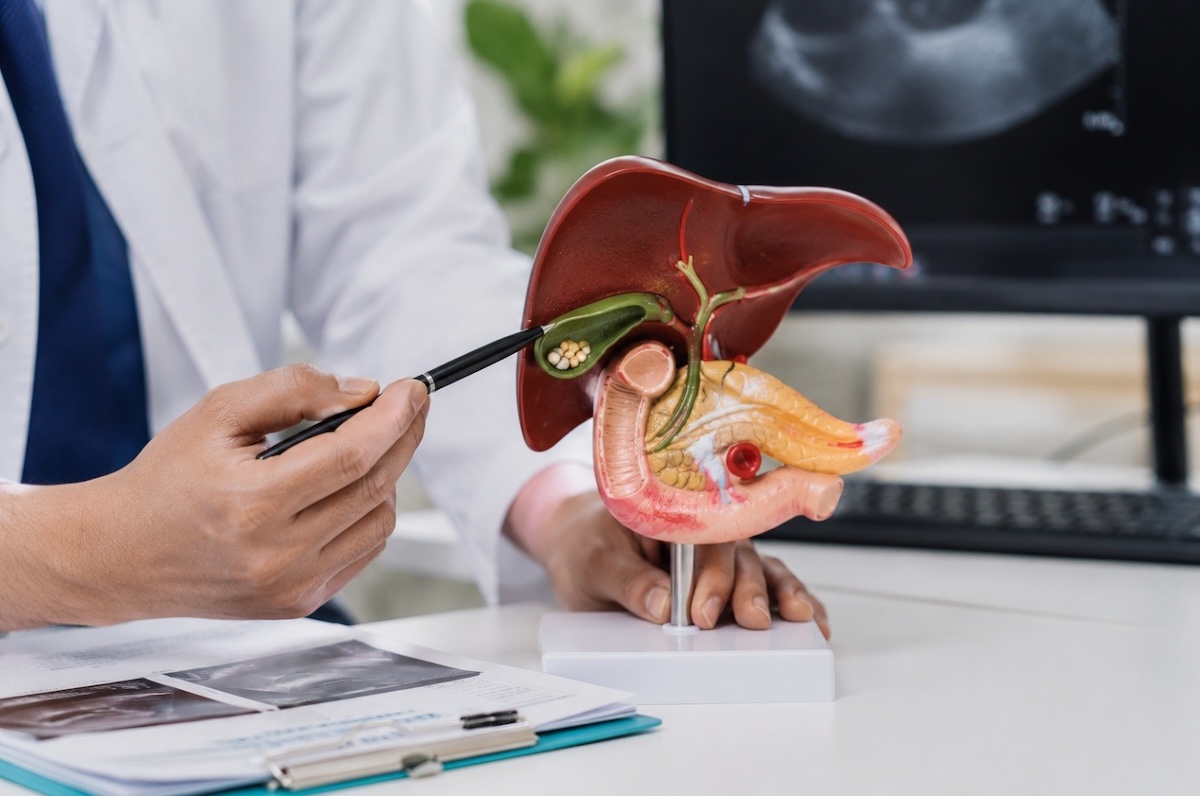
Gallstones, medically known as cholelithiasis, are among the most common diseases affecting the digestive system. They are estimated to affect approximately 10% of men and 15% of women, with prevalence increasing with age to exceed 20% among people aged 60 to 65. However, although many individuals live with gallstones without experiencing symptoms, not all cases require surgical treatment.
Dr. César Canales Bedoya, Head of the General and Digestive Surgery Department at Hospital Ruber Internacional, part of the Quirónsalud Group, explains: "The majority of people with gallstones will never develop symptoms, and in these cases, a conservative approach is generally recommended. Only certain specific situations make preventive surgery advisable."
These exceptions include immunocompromised patients, individuals with hemolytic anemia, patients with gallbladder polyps above a certain size, and those at increased risk of developing gallbladder cancer.
When Symptoms Appear, Surgery Is the Recommended Treatment
 High resolution image. This link will open using lightbox, there may be a context switchThe situation changes once gallstones begin to cause symptoms. The most common symptom is severe pain in the upper right side of the abdomen, typically occurring after large or fatty meals and sometimes radiating to the back. The pain may also be accompanied by nausea and vomiting.
"When cholelithiasis becomes symptomatic, current guidelines recommend laparoscopic cholecystectomy. Delaying treatment may increase the risk of potentially serious complications," says Dr. Canales.
These complications include acute cholecystitis, recurrent episodes of gallbladder inflammation, pancreatitis, and cholangitis, an infection of the main bile duct. In addition, although the absolute risk remains low, long-standing gallstones have also been associated with an increased risk of gallbladder cancer.
A Minimally Invasive Procedure with Faster Recovery
Today, laparoscopic cholecystectomy—the removal of the gallbladder through small incisions—is the treatment of choice whenever surgery is indicated.
"Laparoscopic surgery allows us to offer patients a much faster recovery, less postoperative pain, a lower risk of infection, and better cosmetic results compared with open surgery," explains the specialist.
Dr. Canales also reassures patients who are concerned about losing their gallbladder.
"The gallbladder is not an essential organ. After surgery, functional changes are minimal, and the vast majority of patients regain their quality of life without any significant long-term limitations."
The General and Digestive Surgery Department at Hospital Ruber Internacional has extensive experience in the surgical treatment of cholelithiasis using laparoscopic techniques. This procedure is routinely performed by a highly specialized team comprising Dr. Carlos Moreno, Dr. Javier Die, Dr. Jesús Igea, and Dr. César Canales Bedoya, Head of the Department, all of whom have extensive expertise in digestive and hepatopancreatobiliary surgery.
Is It Possible to Preserve the Gallbladder?
In recent years, techniques have been developed to remove only the gallstones while preserving the gallbladder. However, Dr. Canales Bedoya emphasizes that these procedures have a very limited role.
"The disease does not lie solely in the stones. There is an underlying functional and inflammatory disorder of the gallbladder that promotes the formation of new stones. For this reason, when only the stones are removed, there is a high risk of recurrence, and many patients ultimately require gallbladder removal anyway," he explains.
The same applies to extracorporeal shock wave lithotripsy, a technique that is now rarely used because of its high recurrence rate and the frequent occurrence of new biliary colic episodes.
A Safe and Well-Established Procedure
According to Dr. César Canales, the scientific evidence is clear:
"Laparoscopic cholecystectomy is a safe, standardized procedure that provides excellent long-term quality of life. It remains the treatment of choice for patients with symptomatic cholelithiasis or any other indication for gallbladder surgery."
With an accurate diagnosis and an individualized clinical assessment, surgery can prevent potentially serious complications while significantly improving the quality of life of patients affected by this common digestive condition.