


Pacifier, Bruxism, and Dental Replacement: What Parents Need to Know About Children’s Oral Health
When to consult a pediatric dentist and how these habits influence the development of a child’s mouth.
Taking children to the dentist from an early age is one of the keys to ensuring proper oral health throughout life. However, it remains one of the most frequently delayed medical visits in childhood.
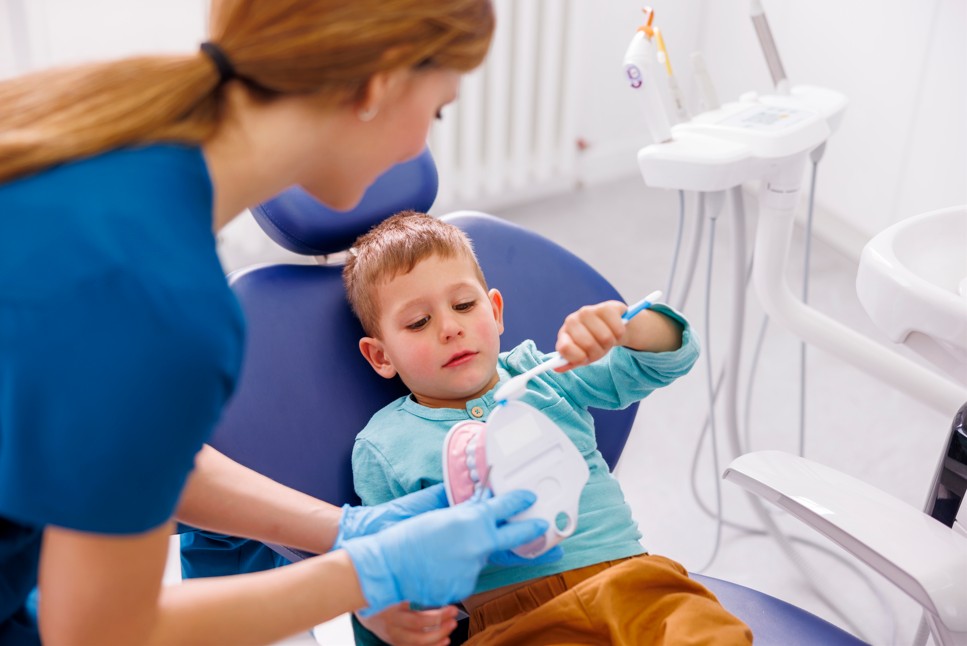
"The first visit to a pediatric dentist is recommended around the first year of life, when baby teeth have already erupted and, in many cases, the first temporary molars as well," explains Dr. Alejandra Hernández Guevara, pediatric dentist at the Ruber Internacional Centro Médico Habana team.
During this initial consultation, more than just the teeth are examined. "We assess the bite, whether the child chews on both sides, and the number and condition of the primary teeth. But above all, it is a fundamental visit to educate parents about oral hygiene, choosing the right toothbrush and toothpaste, healthy dietary habits, and eliminating harmful habits," the specialist notes.
Baby teeth: much more than "temporary" teeth
 High resolution image. This link will open using lightbox, there may be a context switchOne of the most common mistakes is thinking that baby teeth do not require specific care because they will eventually be replaced. "Primary teeth are essential for the proper development of the jaw, the skull, and the bite," explains Dr. Hernández Guevara.
An alteration in the bite during childhood can lead to asymmetries in facial growth. In addition, "for basic functions such as chewing, eating, or speaking, it is essential to have healthy, strong, and well-positioned teeth."
Children’s dental timeline: what is normal and what to watch for
The first baby teeth usually appear around 6 or 7 months, beginning with the lower incisors. Over the first two years, incisors, molars, and canines gradually erupt until the primary dentition is complete.
"The transition to permanent teeth begins around age 6, in two major stages: between ages 6 and 8, and later between 10 and 12," explains the pediatric dentist. During this period, regular check-ups help detect any issues early.
According to the specialist, the most common conditions include early childhood caries, dental trauma, and habits such as thumb sucking or prolonged pacifier use, which can cause jaw deformities if not corrected in time.
"Oral hygiene should begin with the eruption of the first tooth," Dr. Hernández Guevara reminds. In the early years, a manual children’s toothbrush with an appropriate size and bristle type is recommended to help learn proper brushing technique.
From ages 6–8, a children’s electric toothbrush can be introduced, always with supervised brushing at least until age 8.
As for toothpaste:
- A rice-grain-sized amount from the eruption of the first tooth
- A lentil-sized amount from age 3
- A pea-sized amount from age 6
Diet and oral health: what children eat matters
Diet directly influences dental health. "We should avoid excessive consumption of soft and sticky foods, which easily adhere to teeth," the specialist explains.
Chewing fibrous fruits and vegetables in large pieces helps develop the jaw and naturally clean the teeth. Additionally, "sugar intake should be avoided before age 2 and always controlled. If there is occasional high consumption, brushing should be done as soon as possible."
"Fluoride and dental sealants are two of the greatest allies in preventing childhood cavities," says Dr. Alejandra Hernández Guevara.
According to the specialist, fluoride applied in the clinic has a specific formulation that allows it to remain longer on the tooth surface and act at a higher concentration than that found in toothpaste, promoting enamel remineralization and strengthening teeth against decay.
This measure is complemented by fissure sealants, especially recommended for the first permanent molars, which usually erupt around age 6. "These teeth play an important role in chewing and, due to their deep grooves, are more vulnerable to plaque accumulation," the doctor explains. "Sealants create a smooth surface that facilitates daily hygiene and significantly reduces the risk of cavities at a stage when children have not yet fully mastered brushing skills."
Pacifier, thumb sucking, and bruxism: when to consult
Pacifier use should begin to be phased out around the first year of life and not continue beyond ages 2–3. "The earlier it is removed, the easier it will be and the fewer the alterations in the jaw," explains Dr. Hernández Guevara.
As for childhood bruxism, it is usually physiological during growth, although it may be related to stress. "It is important to evaluate each case to rule out pathological wear," she concludes.