


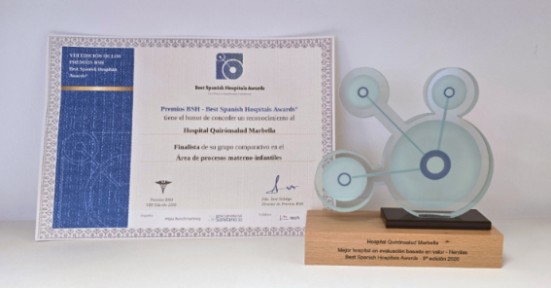
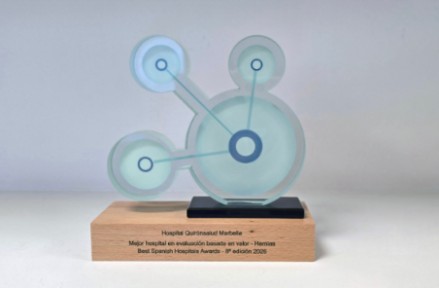
Personalised treatment and the selection of the most appropriate surgical technique for each patient are key factors in improving outcomes in abdominal wall surgery. In this context, the Hospital Quirónsalud Marbella has been recognised as Spain’s leading private hospital in the Value-Based Healthcare Assessment category at the BSH – Best Spanish Hospitals Awards 2026. This recognition highlights the hospital’s clinical outcomes and reinforces its commitment to care focused on both clinical results and patient experience.
Hernias occur when an organ or tissue protrudes through a weakened area of the muscle wall or the tissue that contains it. They are among the most common surgical conditions and may require intervention when they cause symptoms or there is a risk of complications.
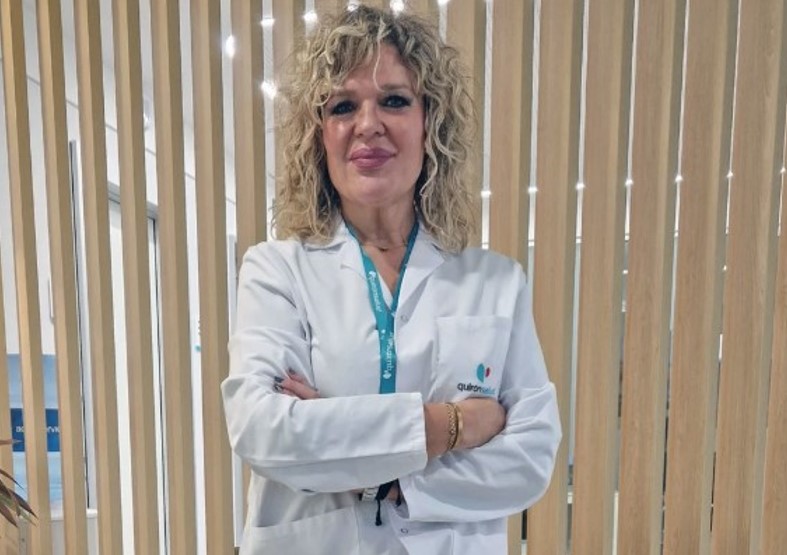
According to Doctor Enrique Aycart, Head of the General and Digestive Surgery Department at the hospital, individualising treatment is essential to achieving the best possible outcomes. "Not all hernias are the same and, therefore, not all patients should receive the same treatment," he explains.
Laparoscopy: a minimally invasive alternative
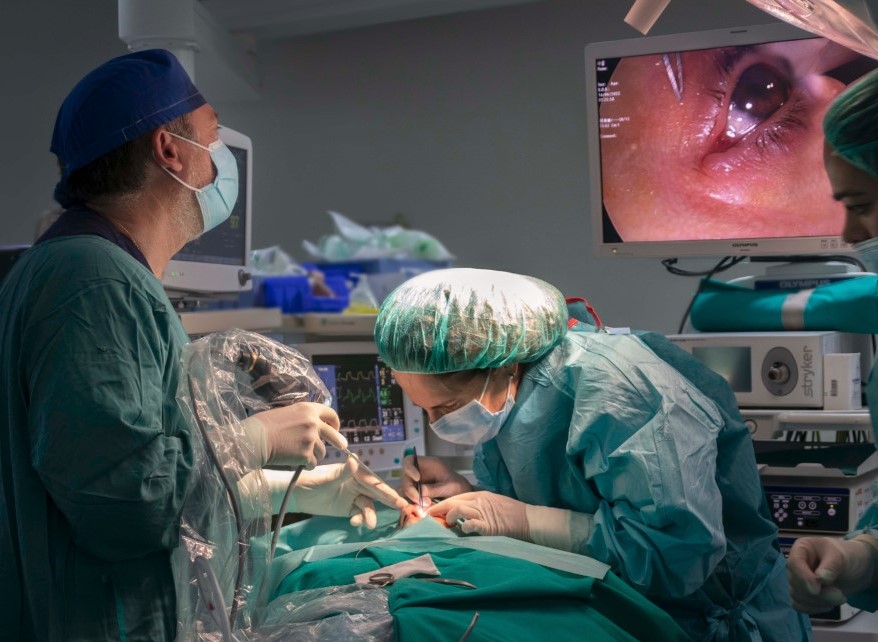
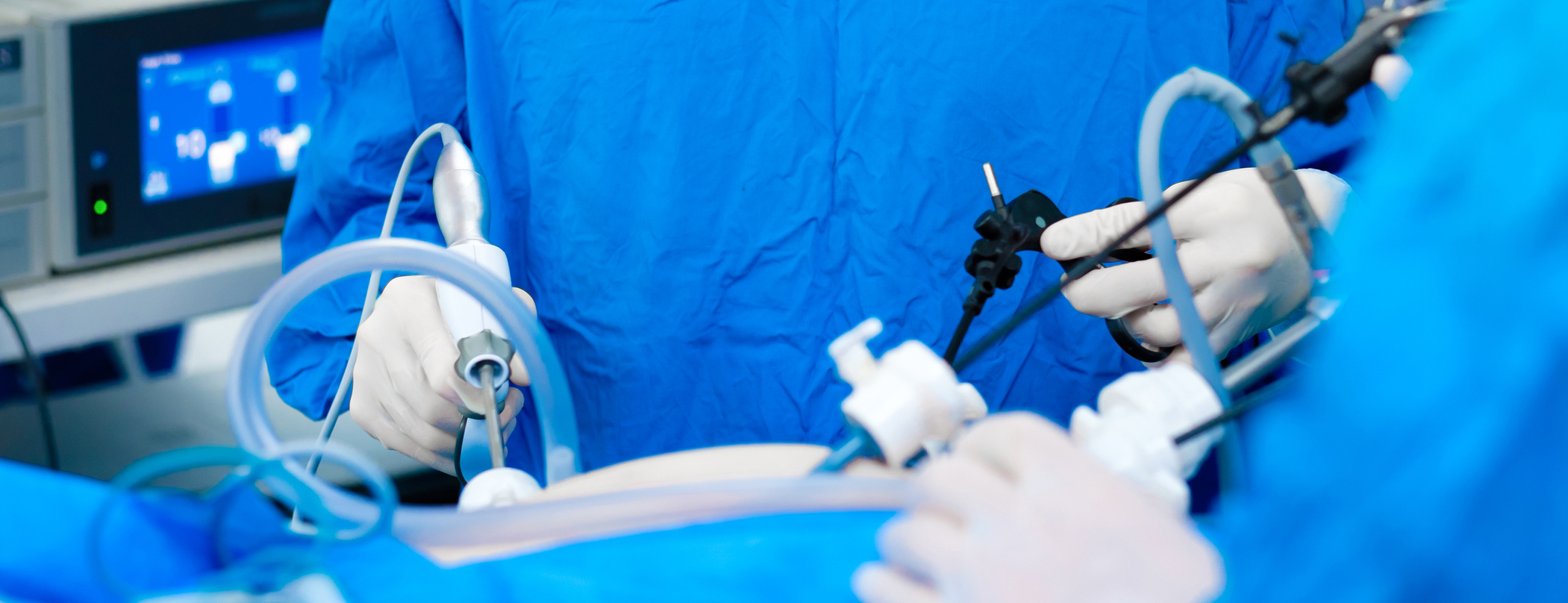
Among the advances in hernia treatment is laparoscopic surgery, which allows certain abdominal wall defects to be repaired through small incisions. In the case of inguinal hernias, techniques such as TAPP and TEP enable surgeons to place a reinforcing mesh in an appropriate anatomical plane.
As Dr Aycart explains, "when appropriately indicated and performed by experienced teams, these techniques offer significant advantages over certain open approaches, particularly in terms of postoperative pain, functional recovery and reducing the risk of chronic groin pain".
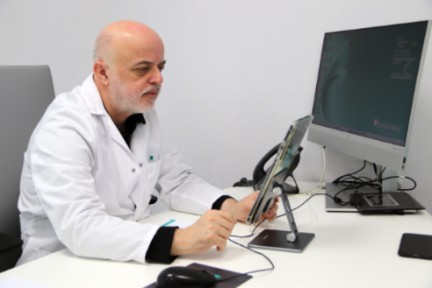
The department also benefits from 3D laparoscopic technology, which provides enhanced depth perception and facilitates the identification of anatomical structures during surgery.
However, the choice of procedure depends on the characteristics of each individual case. As the specialist points out, "the best technique is not necessarily the newest one, but the one that offers the greatest safety and the best outcomes for a particular patient". Open surgery continues to have specific indications and remains an essential tool in the treatment of these conditions.
Recovery and return to everyday activities
In appropriately selected patients, laparoscopic inguinal hernia surgery can reduce postoperative pain and facilitate an earlier return to everyday activities. In addition, certain procedures can be performed as day surgery, allowing patients to return home on the same day, provided the necessary clinical and safety criteria are met.
Returning to work or sporting activities depends on the type of hernia, the procedure performed and the characteristics of each individual. For this reason, preoperative assessment and postoperative follow-up are essential to guide recovery and detect any potential complications.
Dr Aycart highlights that "the most obvious benefit for patients is that many hernia procedures can now be performed with less surgical trauma and a considerably faster recovery than in the past".
Recognition based on healthcare outcomes
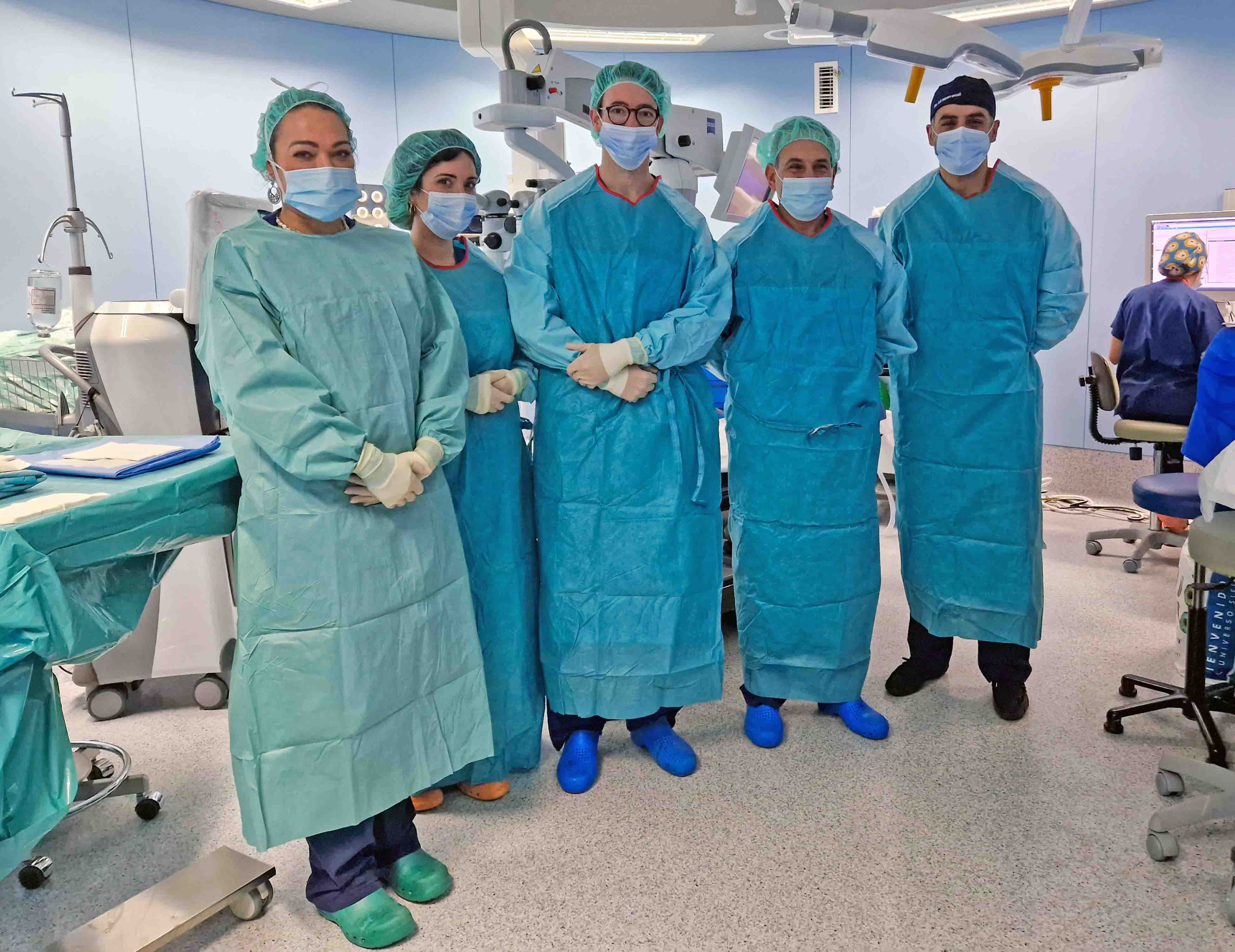
The recognition received at the BSH Awards 2026 highlights the work of the General and Digestive Surgery team and its commitment to care focused on clinical outcomes and patients’ quality of life.
As Dr Enrique Aycart points out, "behind every operation there is a team of surgeons, anaesthetists, nursing professionals and healthcare staff whose coordinated work is essential".
In the specialist’s words, "our goal is not simply to operate on a hernia; it is to solve the patient’s problem, minimise complications and help them regain their quality of life as quickly as possible".
Speaking about future challenges, he adds: "The objective is to make hernia surgery increasingly safer, less painful and more effective. Ultimately, we want patients to return to normal life as quickly as possible and forget that they ever had a hernia".