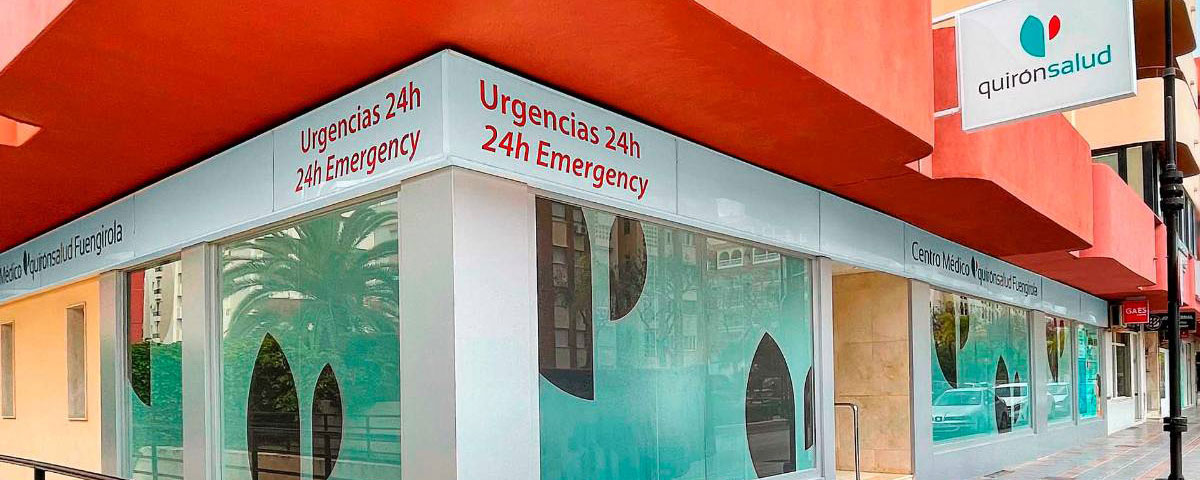



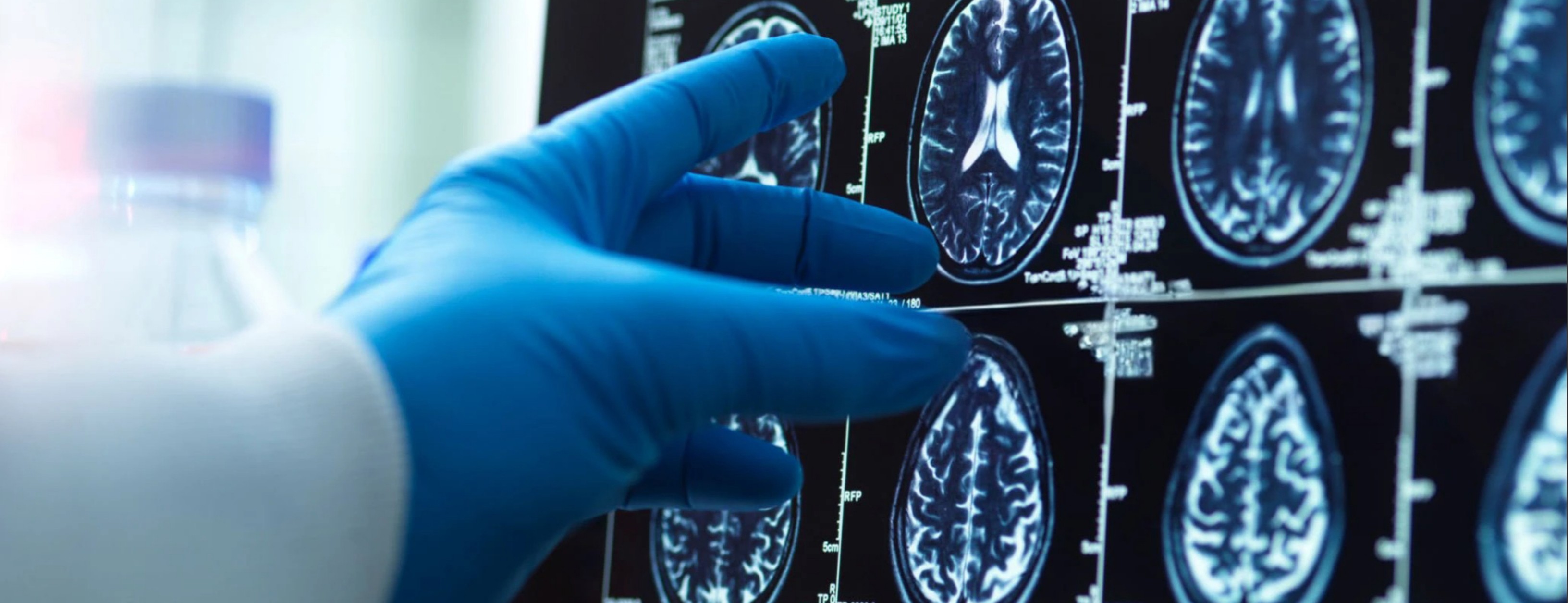
Quirónsalud Marbella Hospital is expanding neurosurgical treatment options for patients on the Costa del Sol with the introduction of new techniques for treating spinal disorders, including spinal endoscopy, tubular approaches and intradiscal laser therapy. The project also includes the progressive development of more complex cranial surgery procedures and, at a later stage, functional neurosurgery programmes for selected patients with Parkinson's disease and epilepsy.
The initial focus will be on degenerative and tumour-related spinal conditions, as well as peripheral nerve disorders. The incorporation of minimally invasive techniques broadens treatment options for selected patients and allows certain lesions to be treated through smaller incisions with less disruption to surrounding tissues.
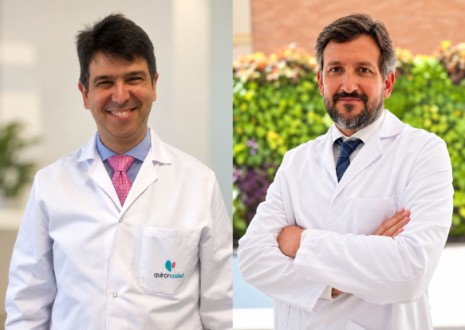
"One of our main areas of development is the advancement of techniques that allow certain lesions to be treated with less tissue disruption," explains Dr José Manuel Montero, Head of the Neurosurgery Department at Quirónsalud Marbella Hospital. "However, careful patient selection and precise clinical indications remain essential."
New Techniques for Spine Treatment
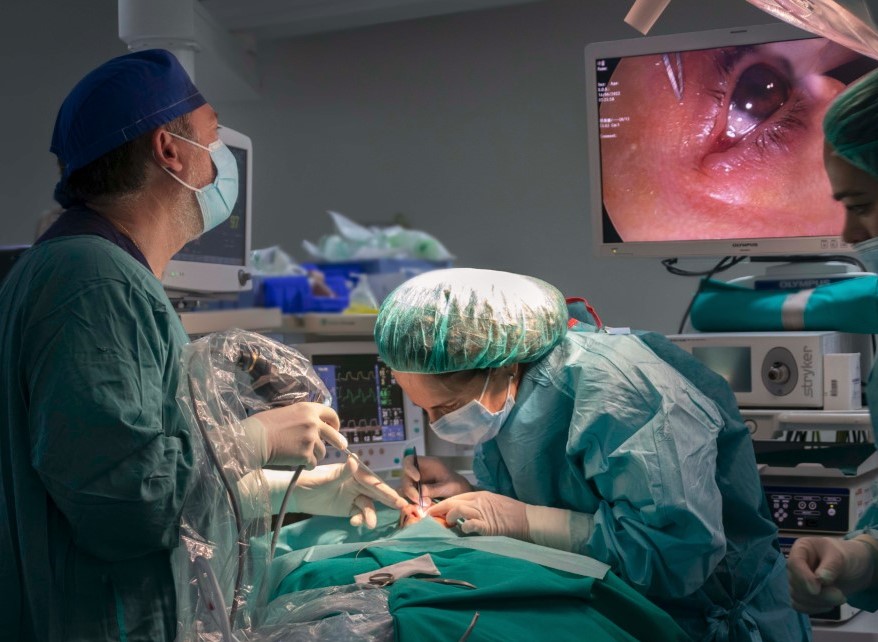
Spinal endoscopy enables surgeons to access certain lesions through small incisions using a camera and specialised instruments, while tubular approaches facilitate access to the surgical area while minimising damage to surrounding muscles.
In selected patients, these procedures may help reduce postoperative pain, shorten hospital stays and promote a faster recovery.
"In selected patients, these techniques allow specific conditions to be treated through smaller incisions and with less muscular injury," says Dr Montero. "Their use must be adapted to each individual case, as not all lesions benefit from the same surgical approach."
The department is also incorporating intradiscal laser therapy, a percutaneous technique that acts on part of the intervertebral disc tissue through a needle puncture. Its use will be limited to carefully selected cases and does not replace surgical decompression procedures when these are required.
Among the conditions initially treated by the team will be cervical disc herniations, which can cause arm pain and, when spinal cord compression is present, weakness; lumbar disc herniations associated with sciatica; lumbar spinal stenosis; and certain spinal cord tumours or tumours located within the membranes surrounding the spinal cord.
A Roadmap Towards Cranial and Functional Neurosurgery
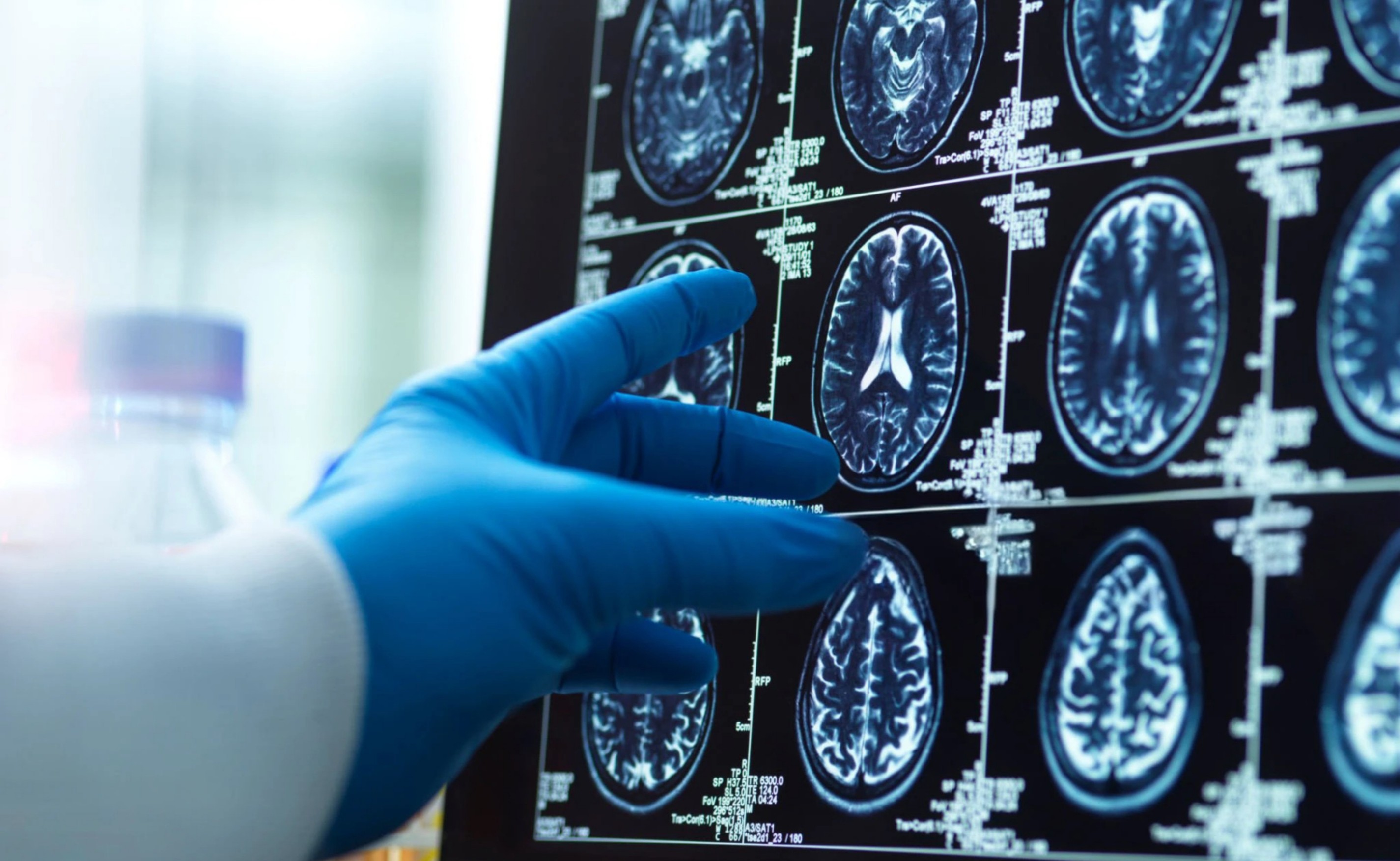
This new phase also includes the progressive expansion of cranial surgery services. Plans include the incorporation of a neuronavigation system, a tool that uses patient imaging as an intraoperative guide and will increase the department's ability to perform more complex procedures.
"This technology will enable us to increase the number of cranial pathology procedures that previously could not be performed within this geographical area," explains Dr José Luis Barbeito.
This development will support the treatment of selected cranial pathologies, including tumours, malformations and vascular diseases of the nervous system. At a later stage, the project aims to develop functional neurosurgery programmes for selected patients with Parkinson's disease or epilepsy, as well as neuromodulation techniques for certain chronic pain conditions.
"The decision to proceed with these treatments requires specialist multidisciplinary assessment, realistic objectives and an individual evaluation of potential benefits and risks," adds Dr Barbeito.
A Team Working Across Several Quirónsalud Hospitals in Andalusia
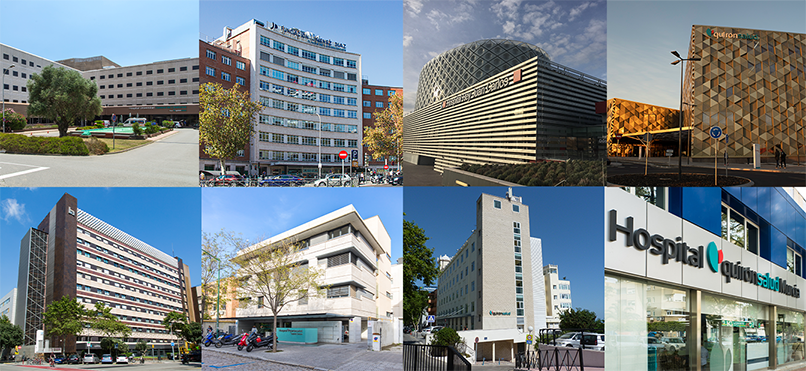
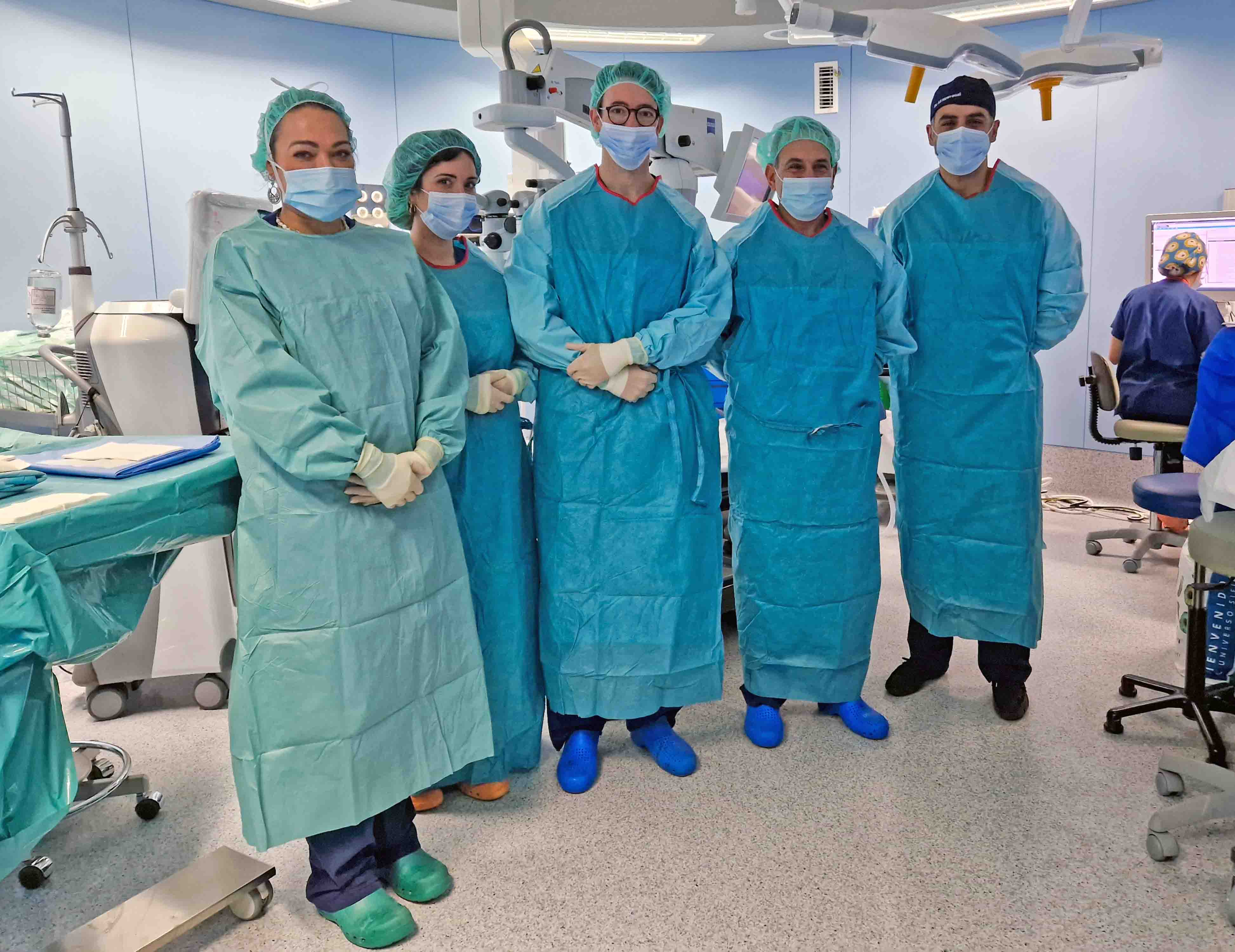
This expansion of neurosurgical services is supported by a team of more than eight neurosurgeons with extensive collective experience across Quirónsalud hospitals in Andalusia.
The specialists also practise at Quirónsalud Sagrado Corazón Hospital in Seville, Quirónsalud Campo de Gibraltar Hospital and Quirónsalud Córdoba Hospital, forming a team with shared expertise across different areas of neurosurgery.
The project also incorporates technology that supports surgical planning and precision, including surgical microscopes, endoscopy and intraoperative neurophysiological monitoring, in addition to the future neuronavigation system.
"Technology is an essential tool for planning procedures and operating with precision," says Dr Barbeito. "Its value depends on its appropriate use and on being integrated into the work of a well-trained and coordinated team."
Patient care will be supported through close collaboration with specialists in Neurology, Neurophysiology, Radiology, Anaesthesiology, Rehabilitation, Nursing and other disciplines involved in each patient's treatment pathway.
Neurosurgical Assessment Does Not Necessarily Mean Surgery
The new service will assess each case individually in order to determine the most appropriate therapeutic option, whether surgical or conservative.
"Our role is to evaluate each case and guide patients towards the most appropriate treatment, whether conservative or surgical, providing a clear explanation of the available options," explains Dr Montero.
Similarly, Dr Barbeito emphasises that: "A consultation with a neurosurgeon does not necessarily mean that surgery will be required."
The aim is to progressively consolidate a Neurosurgery Department in Marbella capable of expanding its range of procedures, supported by continuous professional training, multidisciplinary collaboration and ongoing evaluation of clinical outcomes.