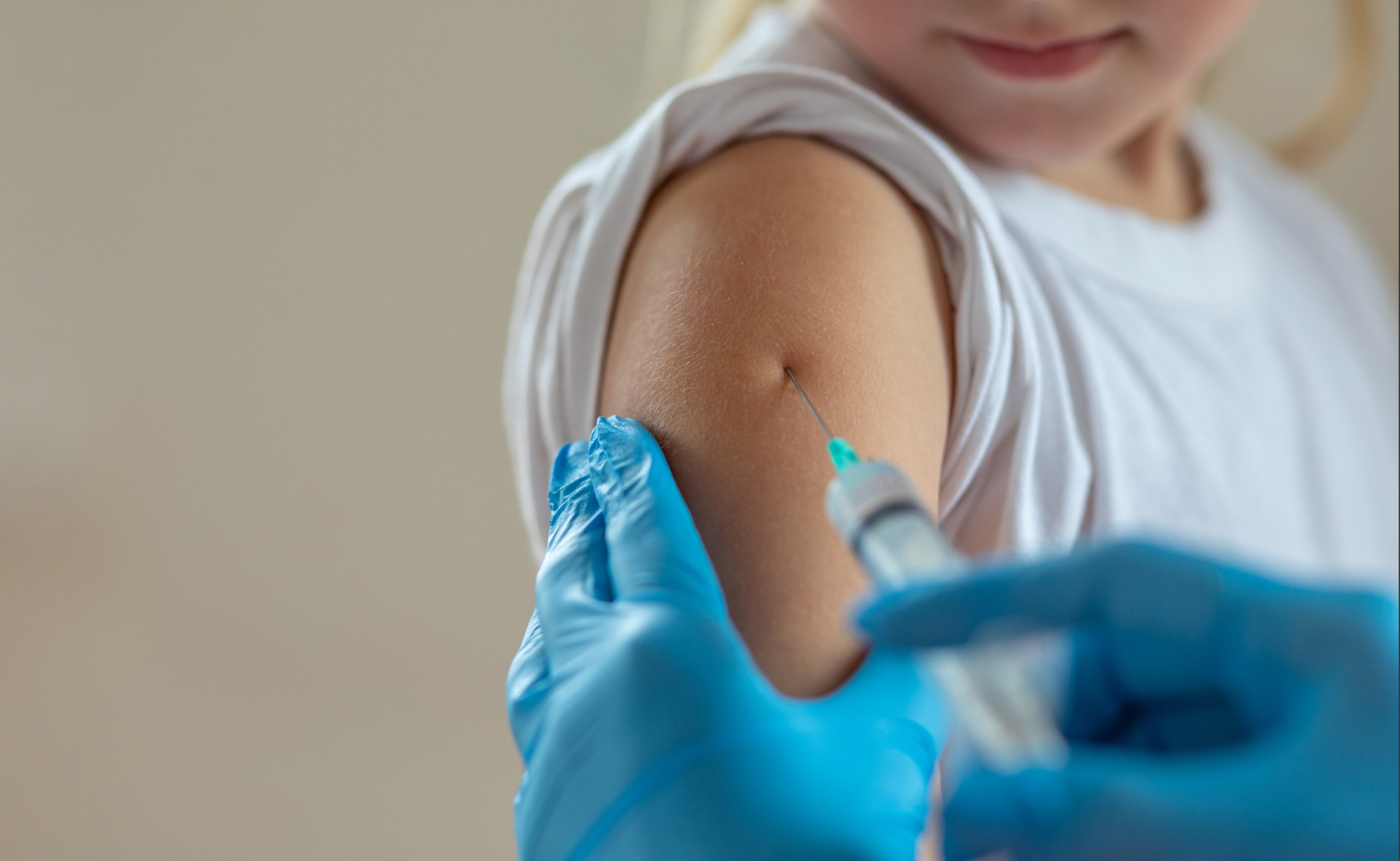




With the arrival of autumn and the upcoming launch of the influenza vaccination campaign in Andalusia, the Paediatrics Department at Quirónsalud Marbella Hospital encourages families to consult their paediatrician about flu vaccination for children, particularly those under the age of five.
The flu vaccination campaign in Andalusia will begin on 1 October and includes all children aged between 6 and 59 months, that is, up to 4 years and 11 months of age. Vaccination is also recommended for children over the age of five who have chronic conditions or other risk factors.
Influenza is a very common respiratory infection during the autumn and winter months and, although most cases resolve favourably, young children may be at an increased risk of complications, particularly when certain risk factors are present.
Vaccination is one of the main preventive measures available and aims to reduce the risk of contracting influenza and developing complications associated with the infection.
Children are among the groups most frequently affected by influenza each season. Although most cases progress well, the infection may sometimes lead to complications requiring medical attention or even hospital admission, particularly in children under five years of age.
Vaccination: Key to Protecting Young Children
Dr Adelaida Sánchez, Head of the Paediatrics Department at Quirónsalud Marbella Hospital, points out that:
"Children under five are one of the groups that benefit most from influenza vaccination. Their immune systems are still developing and they are at greater risk of experiencing complications associated with the infection, which is why it is important that they are properly protected at the start of each flu season."
The specialist also stresses that influenza can have a significant impact on children's health, particularly during the early years of life.
"Influenza is not simply a common cold and, although most children recover without problems, younger children can develop more serious illnesses and may require medical attention. Vaccination helps reduce the risk of infection and, above all, the risk of complications."
In addition to directly protecting each child, childhood vaccination also helps reduce the circulation of the virus within families and the wider community.
"Vaccinating children not only protects them individually. It also helps reduce the circulation of the virus within the community and contributes to protecting younger babies, older people and other particularly vulnerable family members."
This indirect benefit is especially relevant because children often play a major role in transmitting respiratory viruses within households and school environments.
A Preventive Measure Within a Broader Protection Strategy
Influenza can have a significant impact on family life, particularly when it affects young children during periods of high viral circulation.
According to Dr Sánchez: "Our experience shows that influenza can significantly disrupt family life for several weeks, causing high fever, general malaise and school absence. For this reason, we encourage families to take advantage of the start of the vaccination campaign to immunise children who fall within the groups identified by the health authorities."
In addition to vaccination, Dr Sánchez highlights the importance of maintaining healthy habits throughout the respiratory infection season, including good hand hygiene, regular ventilation of indoor spaces and avoiding close contact with others when experiencing symptoms consistent with a respiratory infection.
The paediatrician also emphasises that vaccination is a safe and recommended measure for all children included in the groups identified by the health authorities.