


Pain in the ball of the foot when walking can be an early warning sign of predislocation syndrome, a condition affecting the joint of the second toe which, if left untreated, can lead to instability, dislocation and deformity.
Natalia Rolando, podiatrist at Hospital Quirónsalud Marbella, explains that "the first warning sign is usually a sharp pain on the sole of the foot, beneath the head of the second metatarsal, particularly when walking".
Although other conditions can also cause pain in this area, it is important to distinguish between them.

"Other conditions, such as Morton's neuroma, can affect the forefoot, but the pain is located in a different area and tends to feel more like a cramp or nerve-related pain", she explains.
High heels, high-impact sports and anatomical factors
Regularly wearing high-heeled shoes, taking part in activities involving repetitive impact, such as running or jumping, and certain anatomical characteristics can increase the risk of developing this condition.
These include having a second metatarsal bone that is longer than the first, bunions, ligament laxity and abnormalities in the distribution of pressure across the sole of the foot. Rheumatoid arthritis may also contribute to its development.
"It is important to take into account both an individual's lifestyle habits, particularly their choice of footwear and level of physical activity, and the anatomical and biomechanical characteristics of their feet", emphasises Rolando.
Early diagnosis helps prevent deformity
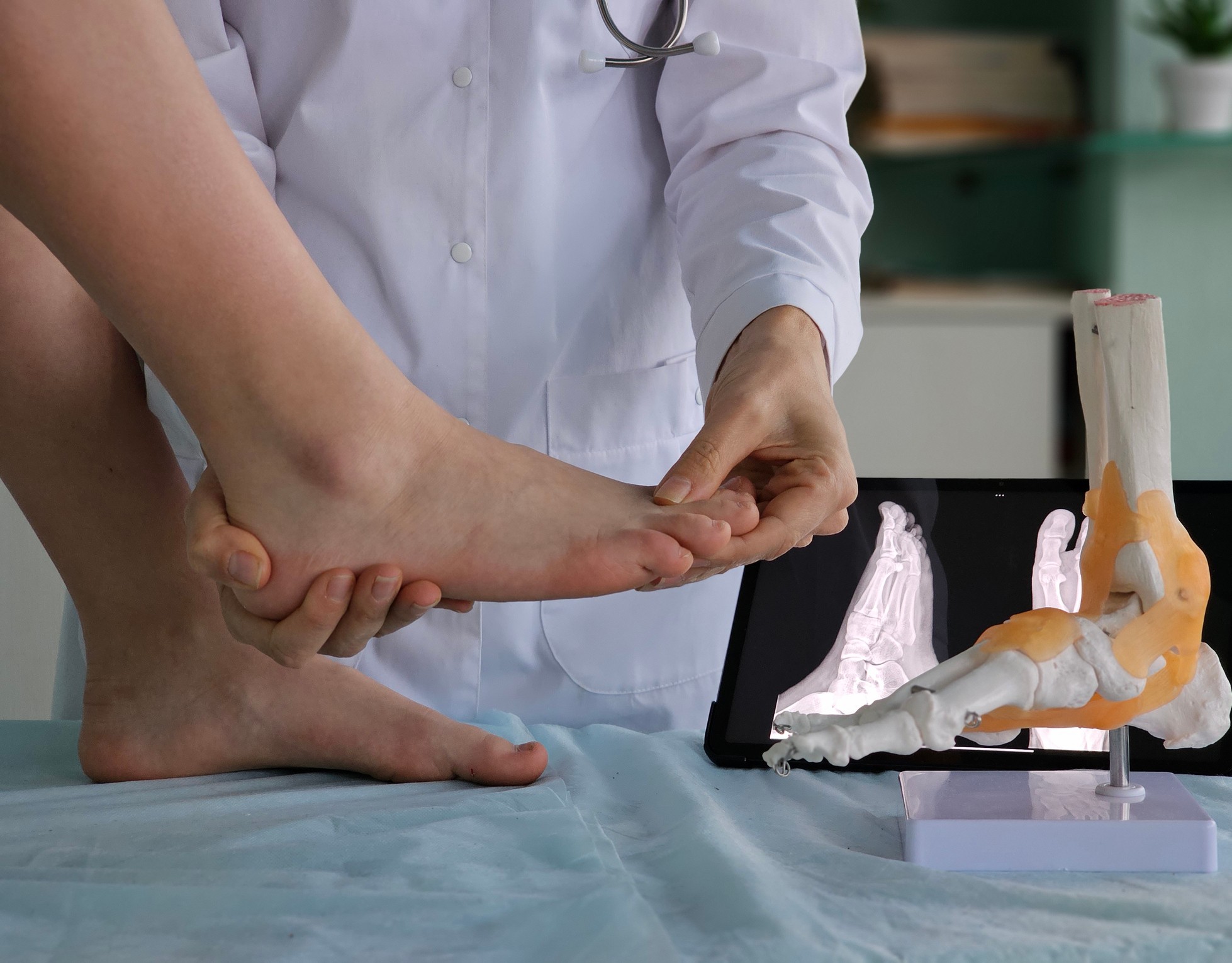
A podiatric assessment includes taking a medical history and carrying out a physical examination to establish the location of the pain, assess toe alignment and check joint stability.
Where necessary, the assessment is supplemented by imaging tests. X-rays help assess bone alignment, while ultrasound and magnetic resonance imaging (MRI) can help evaluate the plantar plate.
If the condition is not identified early, progressive joint instability may develop as a result of damage to the plantar plate, potentially leading to subluxation, dislocation and deviation of the second toe.
Identifying the condition in its early stages therefore makes it possible to introduce an appropriate treatment plan before more advanced deformities develop.
Treatment depends on the extent of the condition
In the early stages, conservative treatment may be recommended. This can include changes to footwear, offloading the painful area, adjusting physical activity and, where indicated, custom-made orthotic insoles to redistribute pressure across the sole of the foot.
Surgery may be considered in cases involving significant instability, progressive deformity or failure to respond to conservative measures.
"The main aim is to relieve pain, reduce mechanical overload and preserve joint stability, preventing the deformity from progressing wherever possible", explains the podiatrist.
Natalia Rolando advises patients not to dismiss persistent discomfort or automatically attribute it to footwear or temporary overloading.
Seeking a podiatric assessment when pain persists or toe deviation becomes apparent helps identify the underlying cause and allows treatment to begin before the deformity becomes established.