


Diabetes Day is marked every year on 14 November. According to figures from the International Diabetes Federation (IDF), one in nine people has diabetes. Although type 1 and type 2 diabetes can share some symptoms, their causes and mechanisms of development are different, as are their treatments and the follow-up care required by those living with them. In type 1 diabetes, the immune system destroys the cells in the pancreas responsible for producing insulin. The body therefore stops producing insulin and it must be administered from the time of diagnosis. Type 2 diabetes occurs when the body becomes resistant to the action of insulin, alongside a progressive decline in insulin production. Genetic, metabolic and environmental factors contribute to its development, including excess weight and a sedentary lifestyle.
This is explained by Dr Rida Nagib Raya, Head of the Endocrinology and Nutrition Department at Hospital Quirónsalud Marbella, who points out that "their mechanisms are different and, consequently, so is their therapeutic approach". In type 1 diabetes, symptoms such as "excessive thirst, increased frequency of urination, unexplained weight loss and fatigue" usually develop rapidly, whereas type 2 diabetes can progress silently for years. He therefore recommends seeking medical advice if symptoms persist and having blood glucose levels checked. The onset of vomiting, abdominal pain, rapid or deep breathing, or severe drowsiness requires urgent medical attention.
Technology and new treatments to improve disease management
The management of diabetes has evolved significantly thanks to advances in medicines and technology. In this regard, Dr Alberto Aliaga , Head of the Endocrinology and Nutrition Department at Hospital Universitario Quirónsalud Sagrado Corazón, highlights the impact of continuous glucose monitoring systems and automated insulin delivery devices, such as the "hybrid artificial pancreas", which combine insulin pumps and sensors. Their impact is particularly significant for people with type 1 diabetes, although they are increasingly benefiting more patients with type 2 diabetes who are treated with insulin, pregnant women, and people who experience frequent or difficult-to-detect hypoglycaemia. "These advances not only improve glycaemic control, but also reduce the day-to-day burden of managing the condition," he says.
Dr Margarita Rivas Fernández, Head of the Endocrinology and Nutrition Department at Hospital Quirónsalud Infanta Luisa in Seville, focuses on pharmacological advances in the treatment of type 2 diabetes. These include GLP-1 receptor agonists and dual GIP/GLP-1 agonists, which help reduce glycated haemoglobin and body weight, with a low risk of hypoglycaemia. The specialist notes that their benefits include the possibility of achieving "clinically meaningful weight loss". She also highlights the role of SGLT2 inhibitors, which, in addition to improving glucose control, have demonstrated cardiovascular and renal benefits.
Diet and exercise: an essential part of treatment
Lifestyle habits remain an essential therapeutic tool. Dr Miguel Marcos, Head of the Internal Medicine Department and Medical Director at Hospital Quirónsalud Málaga, says that "we must understand diabetes not only as an endocrine condition, but also as a metabolic and cardiovascular challenge that affects multiple organs and systems". He stresses the importance of combining a balanced diet with regular physical activity. The specialist points out that it is necessary to "dispell certain myths", such as the idea that people with diabetes cannot eat fruit or that exercise must be strenuous to be beneficial. In type 2 diabetes, "weight management, sleep quality and stopping smoking are particularly important", he concludes.
Preventing complications through comprehensive follow-up
Early detection is particularly important in type 2 diabetes, as the condition can progress for years without symptoms and go unnoticed until the first complications arise. Dr Juan Manuel Canelo Moreno, Head of the Endocrinology and Nutrition Department at Hospital Quirónsalud Huelva, notes that its main risk factors include overweight and obesity, physical inactivity, a first-degree family history of diabetes, high blood pressure, lipid abnormalities and a history of gestational diabetes.
The onset of this condition can be prevented or delayed through lifestyle changes. In terms of diagnosis, the doctor recommends carrying out "screening tests in asymptomatic people from the age of 35, and in adults who are overweight or obese and have at least one additional risk factor". He also urges the early identification of abnormalities in blood glucose levels so that action can be taken before the condition progresses and cardiovascular, renal, visual and lower-limb complications can be prevented.
Dr Rafael Palomares, Head of the Endocrinology and Nutrition Department at Hospital Quirónsalud Córdoba, also warns that poorly controlled diabetes "can progressively damage blood vessels and nerves", increasing the risk of myocardial infarction, stroke, kidney failure, loss of vision and impaired sensation. He therefore recommends regular follow-up, including glycated haemoglobin testing every three to six months, monitoring blood pressure, weight and cholesterol, and an annual assessment of kidney function and the feet. Eye examinations are also essential, and their frequency should be tailored to each patient.
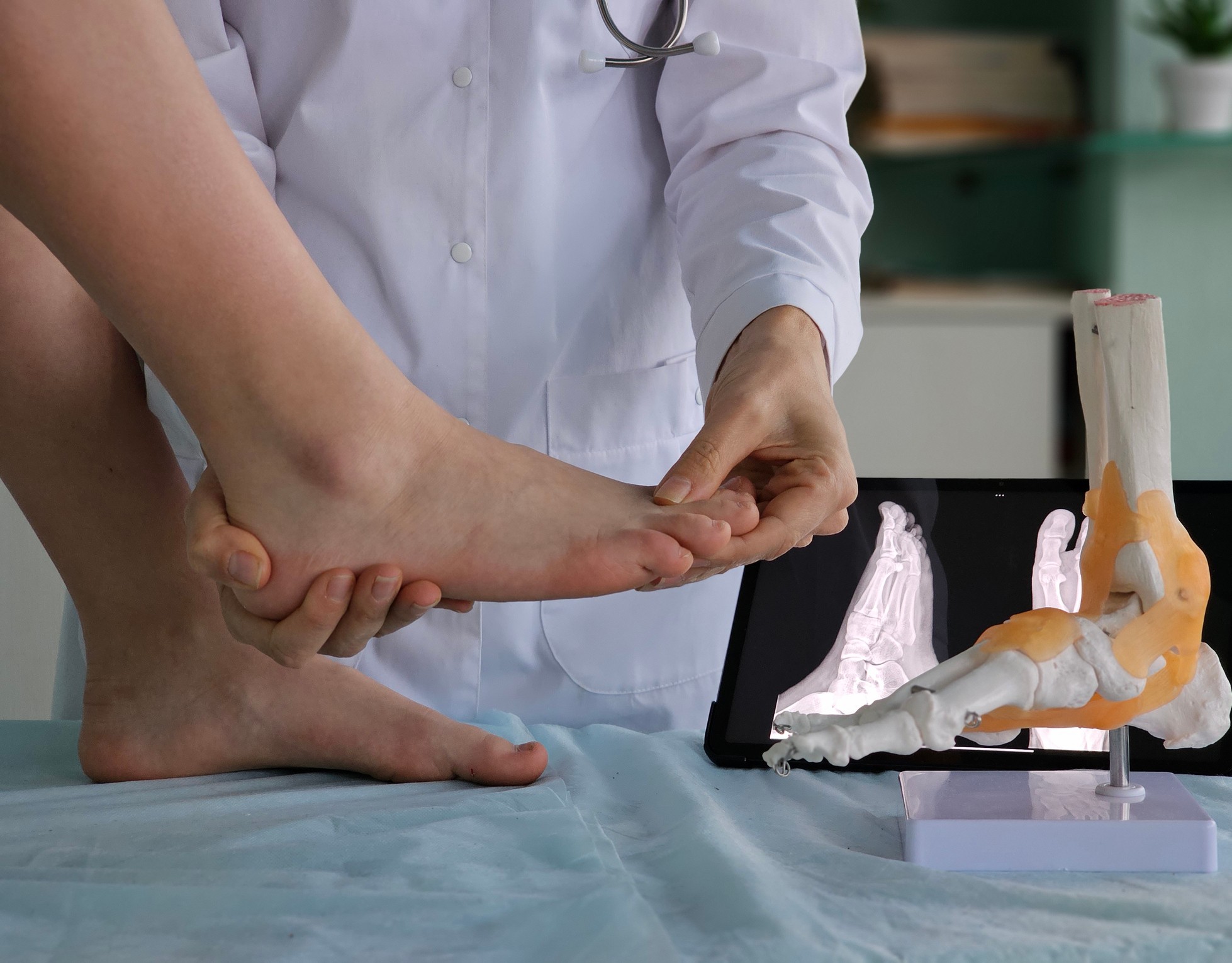
Foot care is one of the key aspects of preventing the consequences of diabetes. Dr Fernando Gallardo, Head of the Angiology and Vascular Surgery Department at Hospital Quirónsalud Campo de Gibraltar and Hospital Quirónsalud Marbella, explains that "a patient may suffer a blister, a burn or a small wound without feeling pain or realising that an injury has occurred". Peripheral arterial disease can also make wounds more difficult to heal and increase the risk of infection and necrosis. As a result, "an initially minor injury can quickly develop into a deep ulcer and may even put the limb at risk".
To prevent these complications, Dr Gallardo recommends "checking both feet every day, including the soles and the spaces between the toes, looking for wounds, blisters, chafing or changes in colour". The specialist also highlights that "minimally invasive endovascular techniques are now available to restore blood flow, even in very small arteries in the foot", helping wounds to heal and reducing the risk of amputation.
The specialists agree that early diagnosis, personalised treatment and ongoing follow-up are essential to improving diabetes control and preventing complications.