


Scabies is showing an upward trend in Spain. Although it has never disappeared, this contagious skin condition is becoming increasingly significant from an epidemiological perspective. In Andalusia, 656 scabies alerts affecting 4,822 people were reported between 2022 and 2025. Málaga was the province with the highest number of notifications, with 190 alerts, accounting for approximately 29% of the regional total, according to the Andalusian Regional Government's Epidemiological Bulletin.
Dr Esther Hurtado, Head of the Emergency Department at Hospital Quirónsalud Marbella, explains that this increase is not simply a perception among healthcare professionals, but is supported by epidemiological studies. In particular, a study published in 2025 in the journal Eurosurveillance, which analysed national healthcare data from 2011 to 2023, identified an increase in diagnoses from 2020–2021 onwards. The annual rate of increase in primary care records rose from 22.8% to 65.8% over the periods analysed.
"Scabies is a condition we are seeing more frequently in clinical practice", explains Dr Hurtado. The main reasons why patients seek medical attention include intense itching, particularly at night, the appearance of skin lesions that progressively spread or affect several members of the same family.
A condition that can be mistaken for other skin disorders
Transmission occurs mainly through direct and prolonged skin-to-skin contact. Living in close proximity in private households, residential care homes, institutions and shared accommodation can facilitate its spread. Other contributing factors include difficulties in recognising the early symptoms, which may take several weeks to appear following an initial infestation, and incomplete treatment of close contacts, which can lead to reinfection.
Dr Hurtado warns that scabies can initially be mistaken for contact dermatitis, eczema, urticaria, insect bites or folliculitis. She therefore recommends seeking medical assessment if itching persists, particularly when it worsens at night and is accompanied by skin lesions or similar symptoms in other household members.

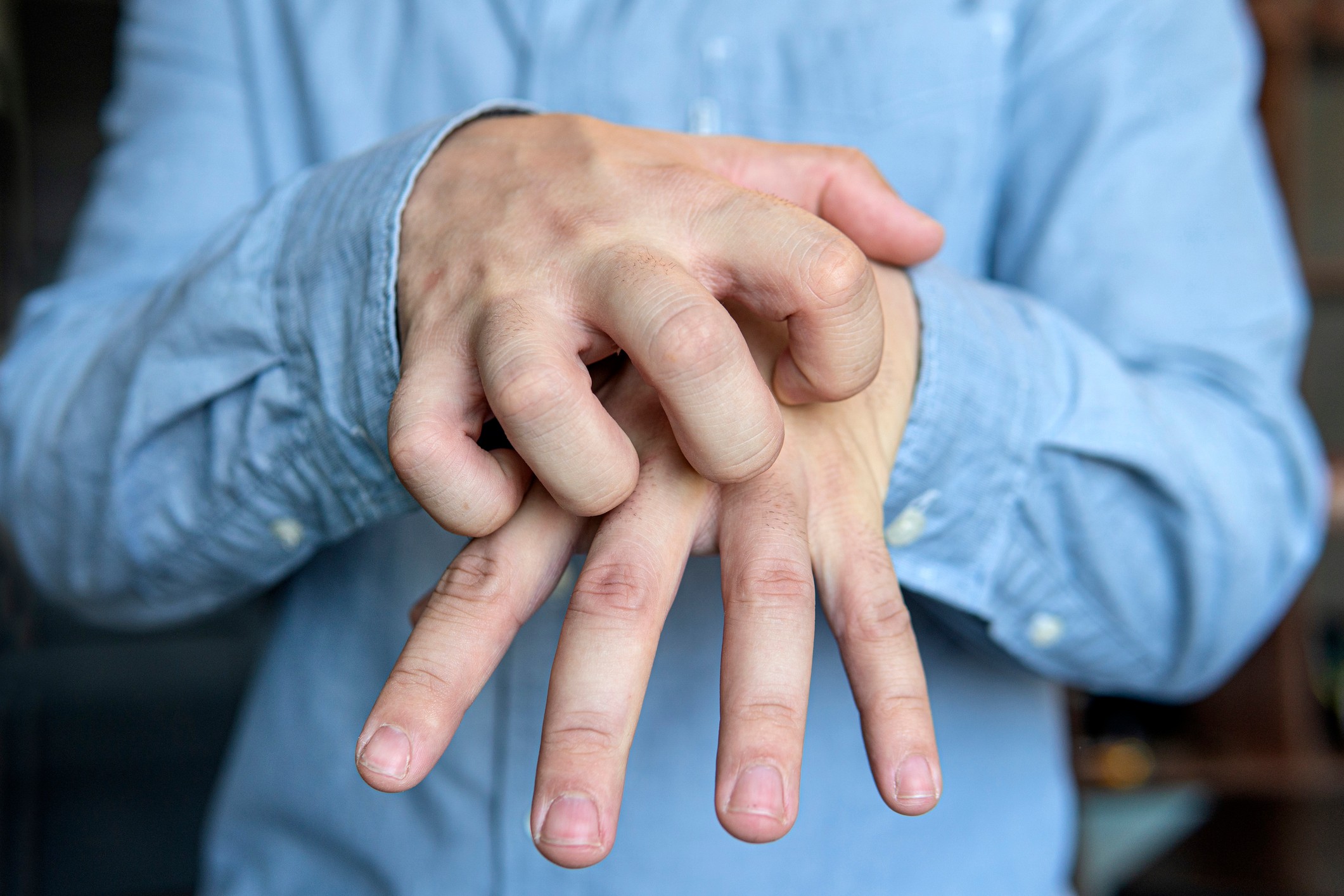
According to the specialist, the most characteristic signs include "small red lesions, papules or spots, which may be accompanied by excoriations caused by scratching. In some cases, small burrows can be seen in the skin, corresponding to the tunnels made by the mite". The most commonly affected areas in adults include the spaces between the fingers, wrists, armpits, waist, buttocks and genital area.
Dr Alicia Cabrera, a Dermatology specialist at Hospital Quirónsalud Marbella, emphasises the importance of maintaining a high level of clinical suspicion: "Scabies does not have a particularly distinctive clinical presentation. It can mimic many other diseases, just as many other diseases can mimic scabies".
The specialist highlights intense itching, which becomes particularly pronounced at night, as one of the signs that may point towards a diagnosis. She also notes that lesions on the hands, between the fingers and in the creases of the wrists can provide important diagnostic clues.
Treating close contacts is essential to prevent reinfection
Once diagnosed, it is important to follow the prescribed treatment and take measures to prevent further transmission. Dr Cabrera stresses that treating only the person showing symptoms is not sufficient: "When a patient is diagnosed with scabies, it is important to treat all household members and close contacts", as they may already be infected even if they have not yet developed symptoms.
Regarding hygiene measures, both specialists agree on the importance of washing recently used clothing, towels and bedding at 60°C or above. Items that cannot withstand this temperature can be placed in securely sealed bags for several days. Dr Cabrera recommends keeping them isolated for between four and seven days. She also advises vacuuming mattresses, sofas and other upholstered surfaces.
Scabies can be treated effectively with both topical and oral treatments.
The specialists at Hospital Quirónsalud Marbella emphasise that scabies can affect anyone, regardless of personal hygiene habits or socioeconomic background. They also stress that early diagnosis, appropriate treatment and the simultaneous treatment of close contacts are essential to prevent its further spread.