


Hip osteoarthritis is not just an age-related problem: new prostheses enable active and sports-oriented living
Specialists in ceramic-on-ceramic hip surgery highlight advances in resurfacing prostheses that are especially suitable for young patients with traumatic pathologies, bone necrosis, or sequelae.
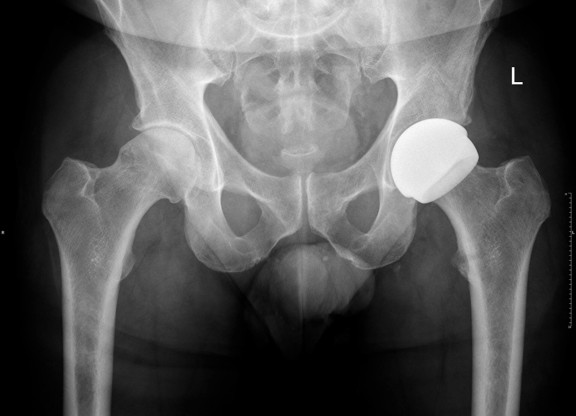
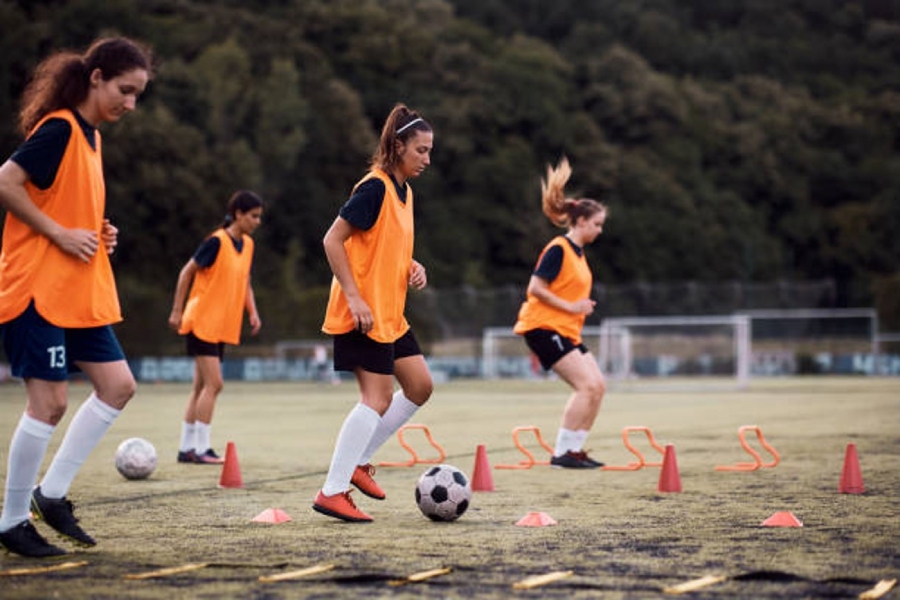
Hip osteoarthritis is not only associated with older age. Every year, this condition is diagnosed in younger patients and can be linked to sports injuries, traumatic accidents such as falls, femoral head necrosis, developmental abnormalities, or traumatic sequelae—many of whom wish to maintain an active and physically demanding lifestyle.
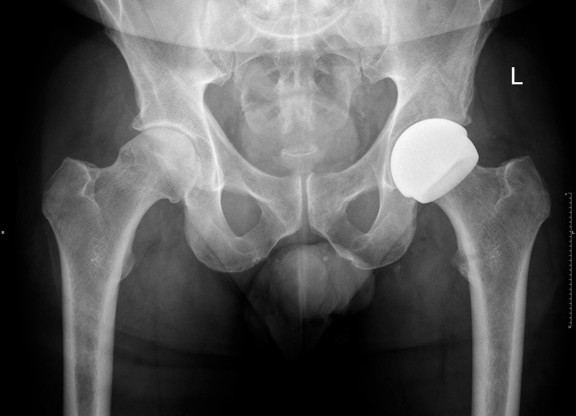
In response to this change in patient profiles, hip surgery has evolved toward more personalized, less invasive approaches. Among these, resurfacing prostheses stand out, aimed at preserving bone and reducing restrictions associated with conventional hip replacement, especially for young patients.
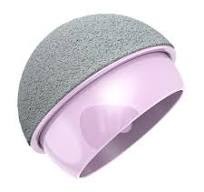
Unlike traditional prostheses, this technique preserves much of the femoral bone by placing a metal cap over the femoral head and inserting a prosthetic cup into the acetabulum. This enables a less invasive procedure and faster recovery, while preserving the patient’s natural anatomy and function.
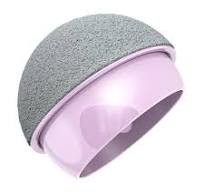 "The main difference is that it preserves much more bone and reproduces biomechanics very similar to those of the natural hip. Many patients no longer see surgery as ‘retirement from sports,’ but rather as a way to regain it," explains Dr. [Name], specialist in hip surgery at Ruber Internacional Hospital and expert in hip resurfacing prostheses.
The development of ceramic materials has allowed this approach to be expanded to the main limitations of previous generations of implants, especially bone wear and metallic particles. "Thanks to this, this technique can also be considered in women and younger patients with certain anatomical features," the doctor notes.
In addition to greater preservation of bone, among the advantages of this type of prosthesis are a high durability, a lower risk of dislocation, quicker recovery, and the possibility of returning to sports or high physical-demand activities such as running, tennis, padel, or skiing.