



When fish does not cause allergies: poisoning mistaken for an allergic reaction
Itching, redness and hives after eating fish may be due to scombroid poisoning, a common and little-known form of histamine poisoning
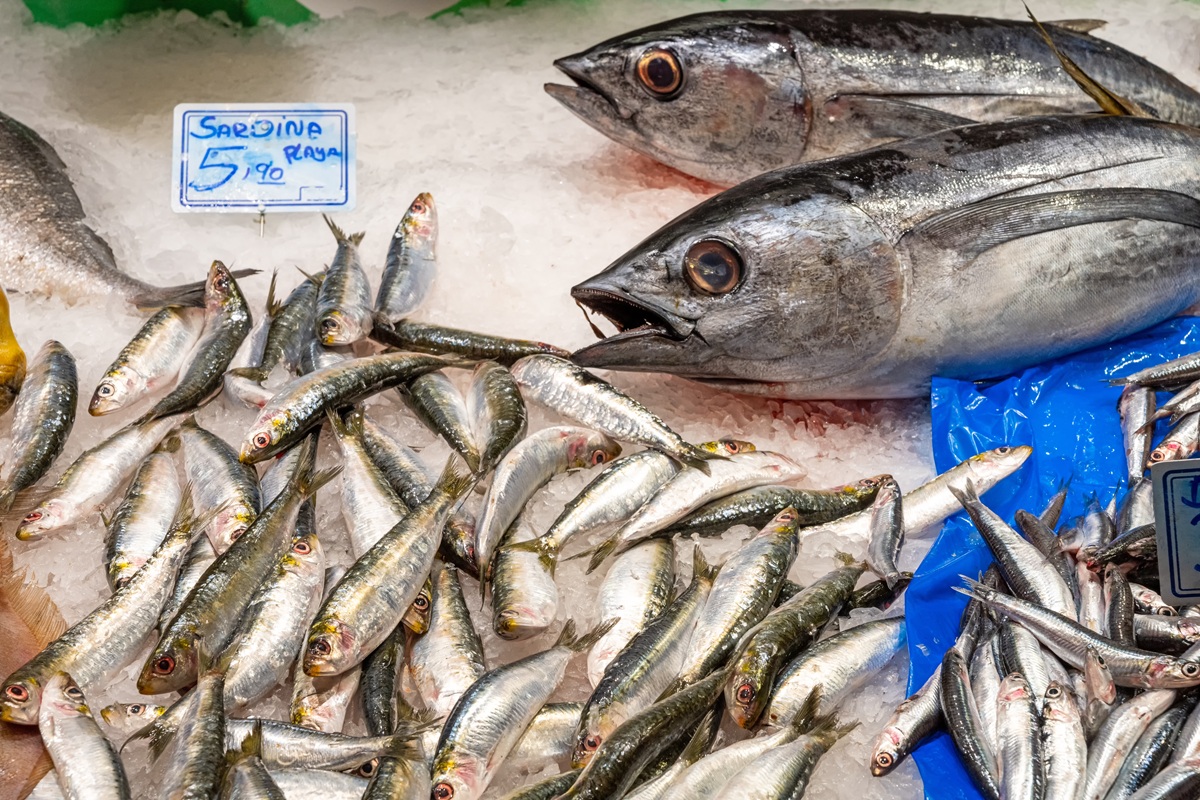
After a seemingly innocent dinner, some people experience facial redness, intense itching or hives on the skin and quickly come to the conclusion: ‘I'm allergic to fish.’ However, in a large number of cases, the origin of these symptoms is quite different and little known: scombroid poisoning.
Scombroid poisoning is food poisoning related to the consumption of certain fish—such as tuna, mackerel, or bonito—that have not been properly refrigerated after being caught. Although its clinical manifestations may resemble an allergy, it is not caused by an immune system reaction, but rather by the effect of high levels of histamine present in the food.
‘ High resolution image. This link will open using lightbox, there may be a context switchThe biggest mistake is to think that it is a suddenly acquired food allergy,’ explains Dr Pedro Rodríguez, Deputy Head of Dermatology at Ruber Internacional Hospital and specialist in dermatological surgery at the International Dermatology Clinic (CDI). ‘In our practice, we often see cases of histamine poisoning that produce symptoms that are virtually indistinguishable from an allergic reaction.’
‘In these cases, the body is not reacting to the fish itself, but to an overload of histamine,’ explains the specialist. ‘That is why we refer to it as poisoning and not a true allergy.’
Symptoms usually appear within minutes of ingestion and mainly affect the skin, with intense redness of the face and neck, a feeling of heat, itching or hives. Some patients may also experience digestive discomfort, headache or a metallic taste when consuming fish.
The confusion is understandable. ‘The improvement with antihistamines reinforces the misconception that there is an allergy and leads many people to eliminate fish from their diet,’ says Dr. Rodríguez. ‘However, when they consume the same fish again in good condition, they have no problems.’
Prevention involves proper handling and storage of the product. Histamine is not destroyed by cooking, freezing or canning fish if it has already formed. ‘Safety begins in the cold chain, from the sea to the refrigerator,’ insists the specialist. Buying from reputable establishments, transporting fish refrigerated and consuming it as soon as possible are key measures.
In most cases, scombroid poisoning resolves within a few hours and leaves no lasting effects. Even so, it is recommended to consult a doctor if symptoms are severe or recurrent. ‘It is important not to panic or self-diagnose. Fish is a healthy and safe food when stored correctly; the problem is not the food, but how it is handled,’ concludes Dr Pedro Rodríguez.