


How to lose weight without losing muscle: four keys to healthy weight Loss
Dr Pilar García Durruti, an endocrinologist at Ruber Internacional Centro Médico Habana, explains that the success of a weight-loss treatment should not be measured solely by the number on the scale: the goal is to reduce body fat while preserving as much muscle mass as possible.
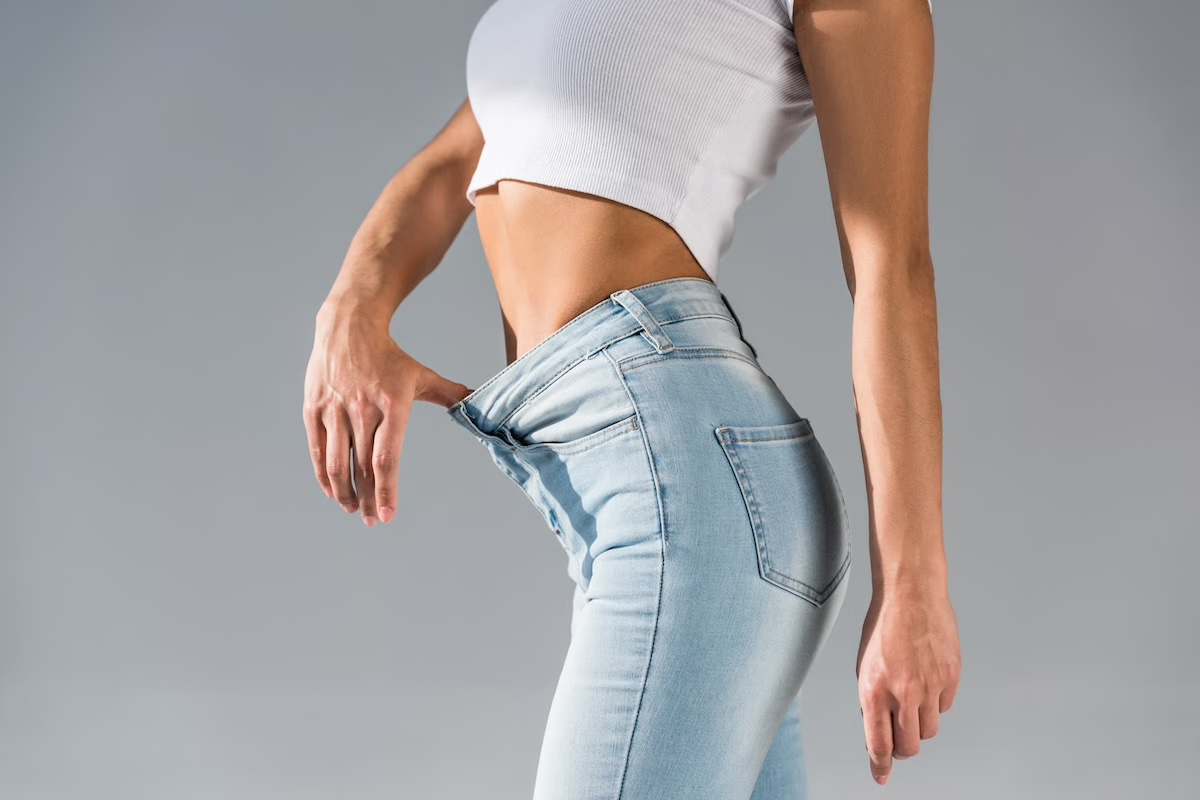
When we start a weight-loss journey, we tend to focus all our attention on the number on the scale. However, losing weight raises another equally important question that often goes unnoticed: what are we actually losing when our weight goes down?
Weight loss does not come exclusively from fat. During the process, lean body mass—and therefore muscle mass—may also decrease. For this reason, according to Dr Pilar García Durruti, an endocrinologist at Ruber Internacional Centro Médico Habana, the goal should go beyond simply achieving a lower body weight.
"Losing weight should not mean losing muscle. We need to ensure that weight loss comes primarily from body fat while preserving as much muscle mass as possible," the specialist explains.
The endocrinologist highlights four key aspects that should be taken into account during the process: adequate protein intake, strength training, avoiding excessively rapid weight loss, and professional monitoring.
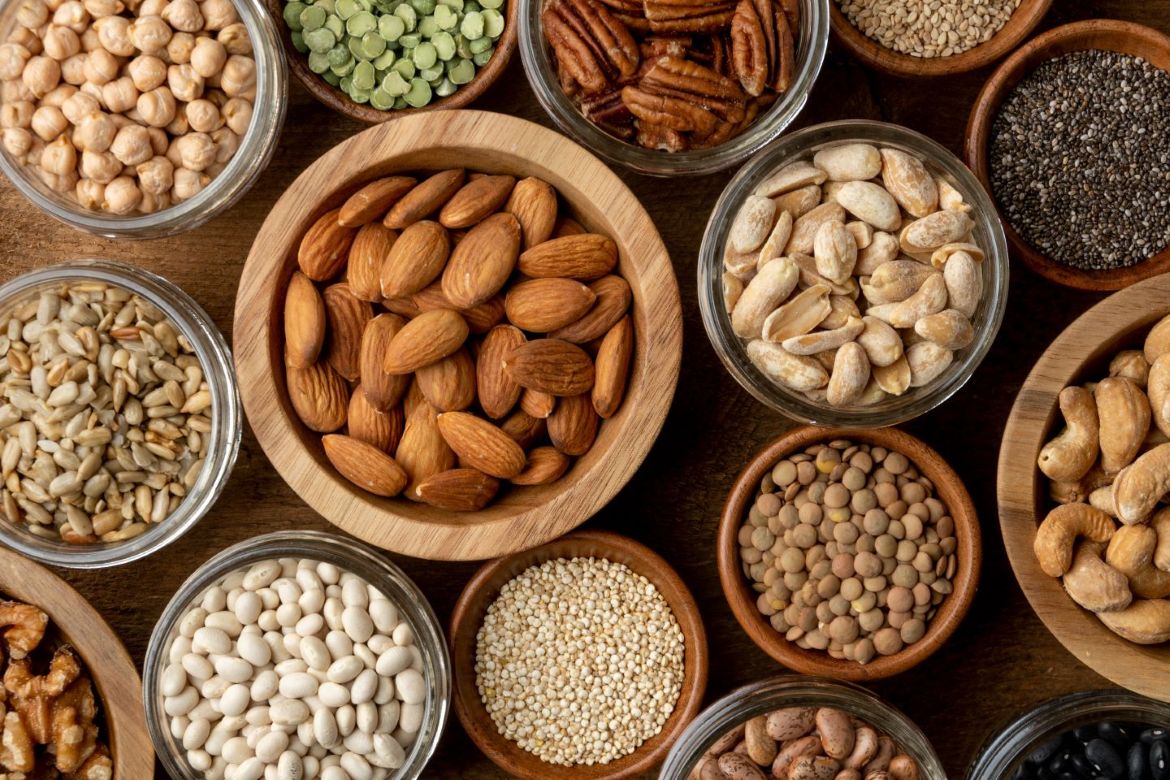
Protein: the ‘building blocks’ of muscle
 High resolution image. This link will open using lightbox, there may be a context switchOne of the characteristics of treatment with GLP-1 receptor agonists is a reduction in appetite. For this very reason, Dr García Durruti explains, particular attention should be paid to the quality of the diet.
"When appetite decreases, we may end up consuming lower amounts of certain essential nutrients, including protein, which provides the ‘building blocks’ we need to build and maintain muscle," she says.
This does not mean that there is a single recommended amount of protein that applies to everyone. Individual requirements should be tailored according to factors such as age, body weight, kidney function, and each patient’s clinical situation.
Strength training: an essential ally
The second key element is exercise. Here, the doctor makes an important distinction: staying active or walking is beneficial, but it does not replace specific strength training when the aim is to preserve muscle mass.
"Strength training is probably one of the most important tools for telling our body: ‘I need this muscle,’" the endocrinologist explains.
For this reason, during a weight-loss programme, she recommends incorporating strength exercises on a regular basis, progressively and adapted to each person’s individual circumstances, while also maintaining other forms of physical activity.
Losing weight faster does not always mean losing weight better
The rate at which weight is lost also matters. According to Dr García Durruti, excessively rapid weight loss may lead to a greater reduction in lean body mass and contribute to skin laxity and changes in body appearance.
"The goal is not to lose weight as quickly as possible on the scale, but to achieve healthy and sustainable weight loss," she emphasises.
This shift in perspective means moving away from considering the number of kilograms lost as the only measure of success. Two people who lose the same amount of weight may experience very different changes in their body composition.
Looking beyond the scale
The fourth key is professional monitoring. Treatment should include assessment of the patient’s progress and allow both dietary recommendations and treatment plans to be adapted to their individual needs.
According to Dr García Durruti, we should not focus solely on the number of kilograms lost. It is essential to have professional support to help plan the diet, establish the appropriate medication dose, and monitor changes in body composition throughout the process.
In this way, follow-up is not simply about checking whether body weight is decreasing, but also about understanding what is happening to both fat and muscle mass during the process.
For Dr García Durruti, this is precisely the message that should accompany patients using these treatments: the goal is not simply to weigh less, but to improve body composition.
"Healthy weight loss means losing fat while trying to preserve as much muscle as possible. The scale gives us one piece of information, but it does not tell the whole story," the endocrinologist concludes.