


Colonoscopy
Colonoscopy is a procedure used to examine the inside of the colon and rectum. It is the most effective test for the early detection of colorectal cancer.

General Description
Colonoscopy is a procedure used to observe the interior of the colon and rectum. To perform it, a flexible probe with a light and a camera at its tip (colonoscope) is inserted through the anus. In some cases, the procedure is also used to obtain a tissue sample using forceps inserted through the colonoscope in order to perform a biopsy in the laboratory, or to treat certain lesions, such as polyps or hemorrhoids, through cauterization or the placement of elastic bands.
The reliability of colonoscopy makes it the technique used for screening and early diagnosis of colon cancer, as it detects precancerous lesions that may develop years before malignant cells appear.
Although it is an uncomfortable test that requires inconvenient preparation for patients, colonoscopy is not painful because the large intestine does not have sensory nerve endings. In addition, it is usually performed with sedation to minimize discomfort and promote patient relaxation.
When is it indicated?
Colonoscopy is a common procedure in patients presenting any of the following symptoms:
- Abdominal pain.
- Unintentional weight loss without an apparent cause.
- Changes in bowel movements.
- Polyps or other abnormalities detected in previous tests (X-ray, barium enema, computed tomography, sigmoidoscopy).
- Anemia (iron deficiency) for which no explanation has been found.
- Blood in the stool or black/tarry stools.
In addition, it is commonly used for the monitoring of diseases or screening in patients with a family or personal history of:
- Colon cancer.
- Rectal cancer.
- Ulcerative colitis: causes chronic inflammation and ulcers in the mucosa lining the inside of the colon and rectum.
- Crohn’s disease: chronic inflammation of the digestive tract of autoimmune origin.
- Diverticulosis: the appearance of protrusions or sacs (diverticula) of irregular size in the wall of the large intestine, most frequently in the lower part of the colon.
- Diverticulitis: inflammation of diverticula.
Colon cancer screening is performed in the general population starting at age 45 or 50 and is repeated 10 years after the first test if the results are normal. In individuals with a family history of colorectal cancer before the age of 60, screening begins at age 40.
How is it performed?
Before starting, the patient is given intravenous sedatives and analgesics, and occasionally anesthesia, to prevent the test from being painful. The procedure consists of the following steps:
- The colonoscope is inserted into the rectum.
- The probe is slowly advanced through the rectum and colon while air or CO₂ is insufflated (CO₂ is preferable because it causes less discomfort) to stretch the walls of the large intestine and facilitate visualization of the lining and internal structures.
- As the tube advances, the images captured by the camera are transmitted to a screen that the specialist views in real time. They are also recorded for later review in case any findings may have gone unnoticed.
- If necessary, the required instruments are inserted through the catheter to obtain a tissue sample, remove polyps, or cauterize lesions.
- The colonoscope is withdrawn while observing the images to check the condition of the colon and rectum.
Risks
Although colonoscopy is a safe technique, there is a risk that one of the following complications may occur:
- Allergic reaction to the sedative or anesthesia.
- Bleeding resulting from biopsy or treatment of polyps and lesions.
- Tear in the wall of the colon or rectum.
- Abdominal distension.
- Pain.
- Hypotension.
- Fever.
- Phlebitis (damage to a vein as a result of a thrombus).
What to expect from a colonoscopy
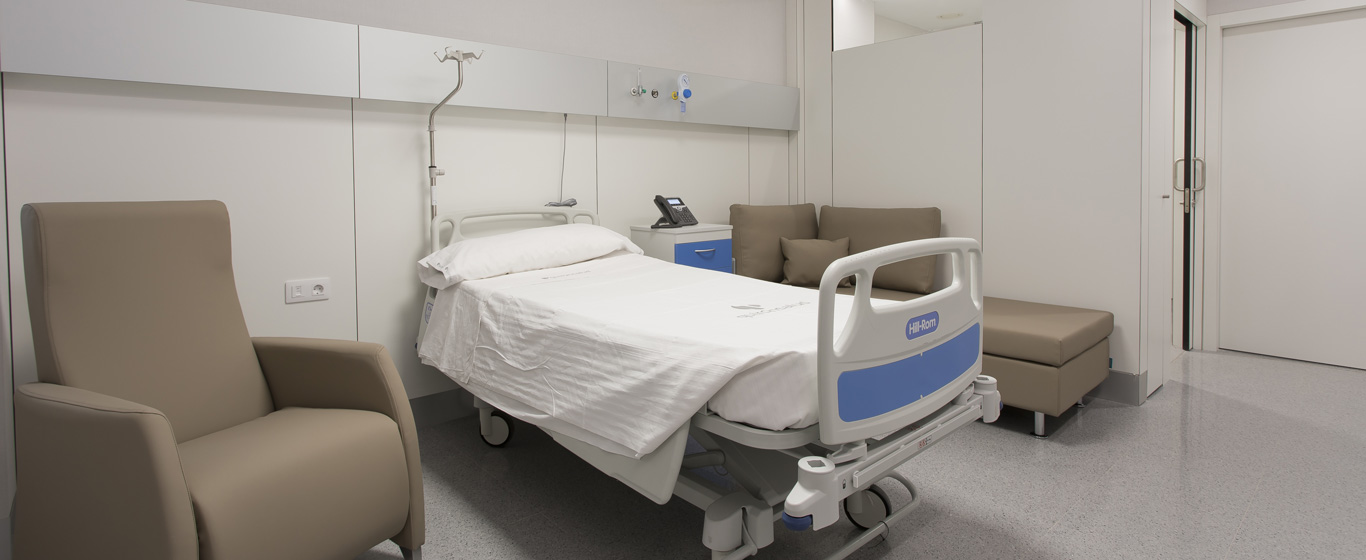
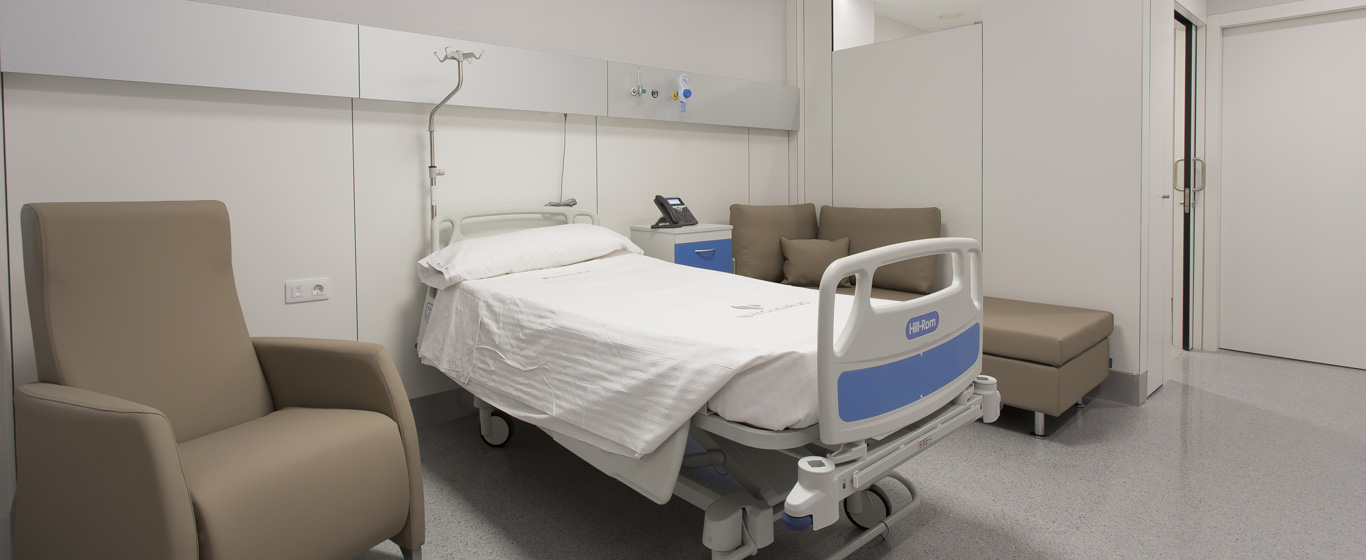
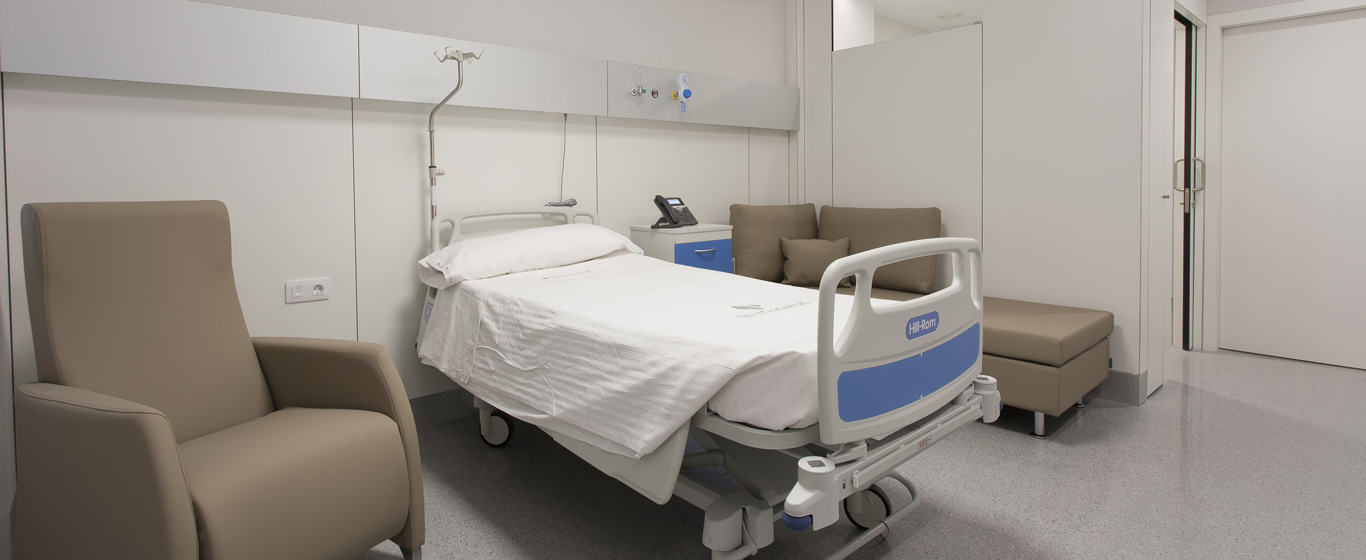
On the day of the colonoscopy, the patient signs the informed consent form and changes into the gown provided by the hospital. Once in the procedure room, an intravenous line is placed through which sedation and other medications will be administered. The patient then lies on their side with their knees drawn up toward the chest. During the procedure, the patient is not aware of what is happening and wakes up once it is finished, after approximately 30 to 60 minutes.
During the recovery period, it is normal to experience abdominal discomfort, gas, and a sensation of needing to have a bowel movement, but these symptoms disappear shortly afterward.
After about one hour of observation, the patient can return home. It is recommended to attend the appointment accompanied, as driving after a colonoscopy is not advised because both sensory capacity and reflexes are altered. For the rest of the day, it is recommended to rest at home and follow a light diet.
The day after a colonoscopy, normal routine activities can be resumed, although abdominal bloating and gas are common. To relieve them, applying heat or going for a walk may help. Fatty foods should be reintroduced gradually, and bowel movements should be monitored in case significant bleeding is detected.
Although the specialist informs the patient about the development of the colonoscopy before they return home, the final results are not available until 7 to 10 days later.
Specialties in which colonoscopy is requested
Colonoscopy is performed in the specialty of General and digestive system surgery.
How to prepare
Colonoscopy requires prior preparation so that the intestine is as clean as possible during the procedure. Therefore, the following instructions must be followed:
- In the days prior to the procedure, the specialist will indicate when to stop taking any pharmacological treatments the patient may be using.
- Three days before the test: follow a low-residue diet:
- Avoid vegetables, legumes, potatoes, fruit, processed meats, dairy products, stews with sauces, and carbonated beverages.
- The following may be consumed: broth, rice, pasta, eggs, grilled or boiled meat and fish, hard cheeses, fiber-free biscuits, toasted bread, coffee, herbal teas, strained juices, and non-carbonated beverages.
- On the day of the test: consume only liquids and cleanse the bowel:
- Do not eat solid foods; only residue-free broths, black coffee, herbal infusions, and water are allowed.
- Take a laxative prescribed by the specialist the night before the procedure. In some cases, it should also be taken on the morning of the test.